Hanwha Ocean drops 23% after losing Canadian submarine bid
Canada named Germany’s TKMS as preferred supplier for its next submarine fleet, pressuring Hanwha Ocean shares and reshaping a major defence contest.
By Amanda Ross · Deals Correspondent
· 2 min read
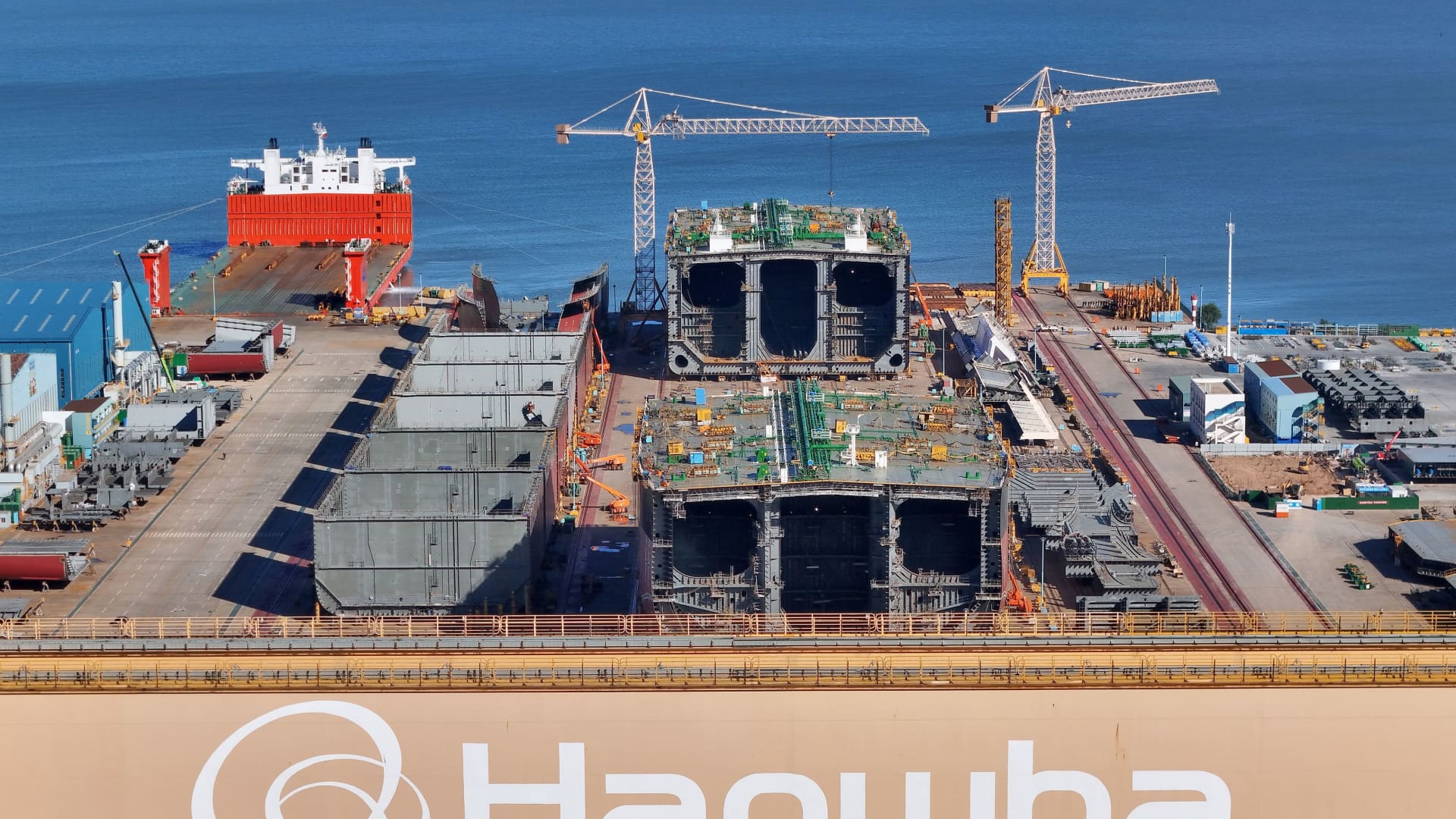
Shares of South Korea’s Hanwha Ocean fell about 23% on Tuesday after Canada selected Germany’s ThyssenKrupp Marine Systems as the preferred supplier for its next fleet of submarines. The decision removes Hanwha Ocean from a procurement contest that The Korea Times said was estimated at as much as $100 billion over three decades.
Canadian Prime Minister Mark Carney announced on Monday that TKMS would be the preferred supplier to deliver the submarines. The designation puts the German company’s 212CD platform at the centre of Canada’s replacement programme and marks a significant commercial setback for Hanwha Ocean, a South Korean shipbuilding and offshore contractor.
The 212CD submarine platform is already shared by Germany and Norway, which Canada describes as among its closest allies. TKMS said in a statement that the announcement opened “a new chapter” in defence cooperation among three NATO allies, combining shared expertise and common security interests.
A preferred-supplier decision is a key step in a defence procurement process because it identifies the company and platform with which a government intends to proceed. In this case, Canada’s choice points toward a European submarine design already tied to NATO partners, rather than a South Korean bid led by Hanwha Ocean.
The decision also comes against a broader political backdrop in which U.S. President Donald Trump has increased pressure on NATO members over defence spending. CNBC reported that the TKMS contract would give Canada access to European defence and industrial networks at that time.
South Korean President Lee Jae Myung addressed the result on his Facebook page. According to a Google translation of his Korean-language comments, he said the outcome of the Canadian submarine project was not what had been expected, adding that challenges bring both successes and disappointments and that the priority was to keep moving forward.
Vina Nadjibulla, vice-president of research and strategy at the Asia Pacific Foundation of Canada, said Canada’s decision should not be interpreted as a rejection of South Korea or the Indo-Pacific. She wrote that the choice was better understood as reflecting the continued influence of NATO, Arctic capability, transatlantic defence-industrial integration and procurement risk.
The market reaction underscored the scale investors had attached to the potential Canadian contract. For Hanwha Ocean, the loss narrows the immediate opportunity set in one of the largest submarine procurement efforts under consideration among allied governments, while TKMS gains preferred status in a programme linked to NATO interoperability and European industrial participation.
This story draws on original reporting from CNBC.


