Hormuz fighting widens as U.S. and Iran trade attacks
Oil rose about 4% after U.S. and Iranian strikes intensified uncertainty over shipping through the Strait of Hormuz.
By Amanda Ross · Deals Correspondent
· 3 min read
U.S. and Iranian forces exchanged attacks over the weekend, with Tehran saying it struck American bases across the Gulf region and Washington saying it hit dozens of Iranian military targets. Oil prices climbed about 4% on Monday as the confrontation raised fresh uncertainty over traffic through the Strait of Hormuz, a waterway that usually carries about one-fifth of global oil flows.
Brent crude futures for September delivery rose 4% to $79.02 a barrel, while U.S. West Texas Intermediate futures for August delivery gained 4.1% to $74.27. The price move reflected investor concern that military activity around the Gulf could interfere with crude and fuel shipments from major producers in the region.
Strikes broaden across the Gulf
Iranian state media said Iran’s latest attacks targeted U.S. military bases in Kuwait, Bahrain, Jordan, Oman and Qatar. The outlets described the strikes as retaliation for new U.S. bombing operations.
Reuters reported that sirens sounded in Bahrain for a third time on Monday, citing the country’s interior ministry. Iran’s Islamic Revolutionary Guard Corps said it had attacked U.S. military facilities in Bahrain and radar systems in Oman as part of the latest response.
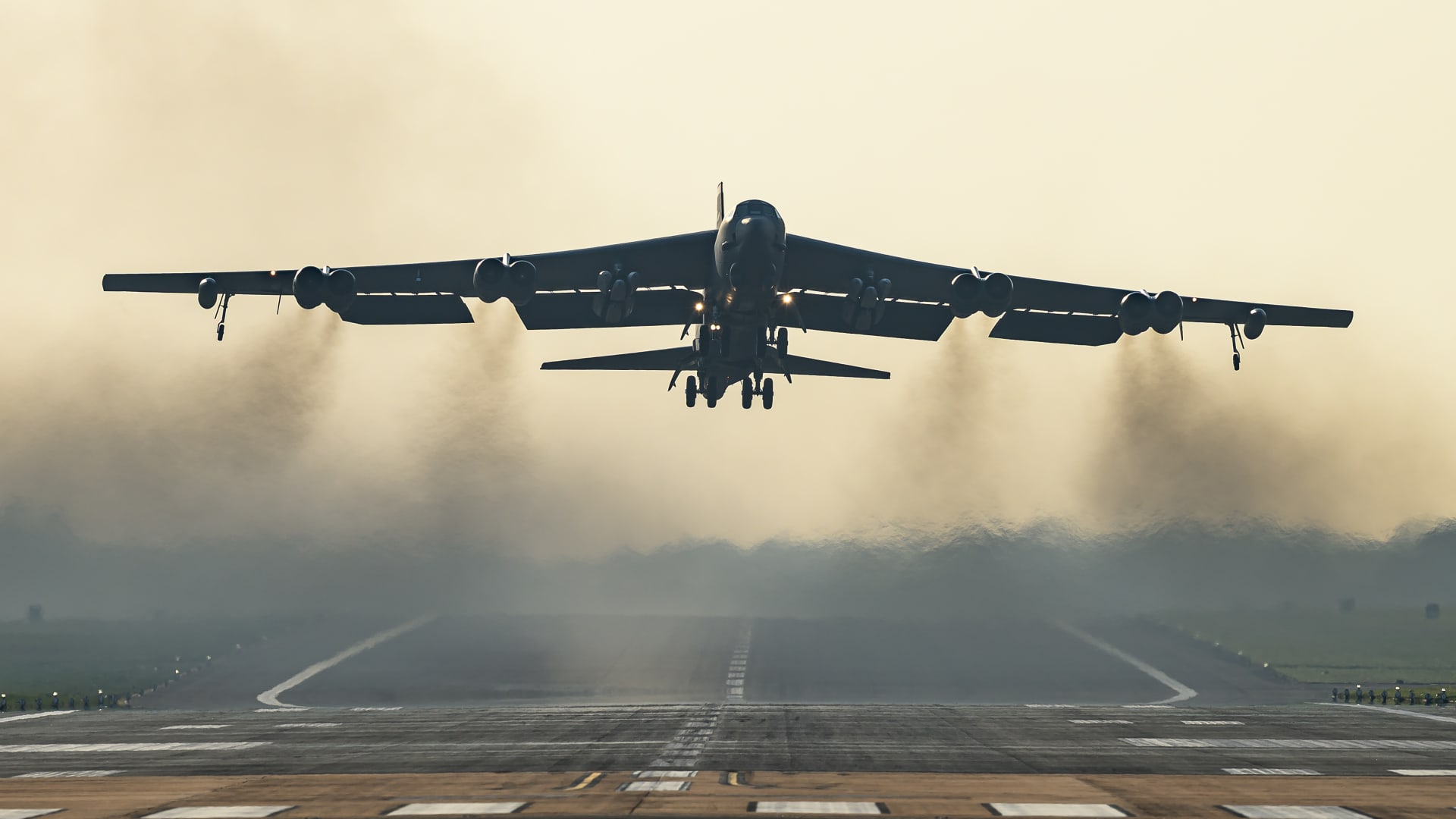
U.S. Central Command said Sunday that American forces had struck dozens of targets at several locations. Centcom said the operation was intended to reduce Iran’s capacity to attack ships moving through the Strait of Hormuz.
According to Centcom, U.S. forces hit Iranian air-defense systems, coastal radar sites, missile and drone assets and small boats. The command said the U.S. used fighter aircraft, naval vessels, one-way attack aerial drones and, for the first time, one-way attack sea drones.
Shipping status remains disputed
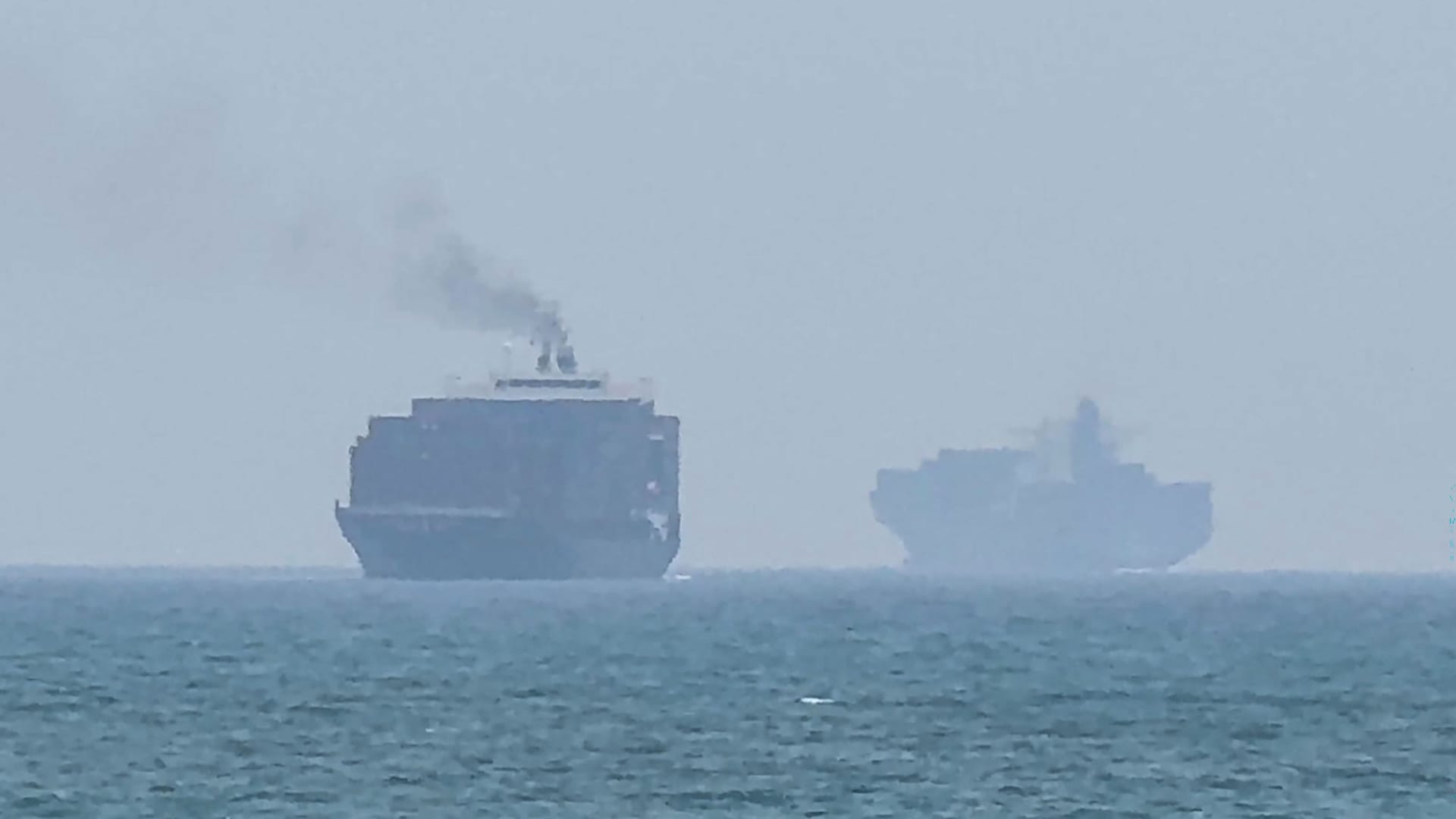
The U.S. and Iran gave conflicting accounts of whether the Strait of Hormuz remains open to commercial shipping. The strait sits between Iran and Oman and links the Gulf with the Arabian Sea, making it one of the most sensitive transit routes in global energy trade.
A closure or restriction of the channel can affect oil markets because tankers carrying crude from Gulf producers must pass through the narrow route to reach many international buyers. Even without a confirmed closure, shipowners, insurers and energy traders may reassess risk when military activity increases near the passage.
The latest exchange has also placed more strain on the interim peace agreement signed last month after 60 days of negotiations. That agreement had been intended to support the reopening of the Strait of Hormuz and bring the conflict toward an end.
Iranian parliament speaker Mohammad Bagher Ghalibaf said Sunday in a social media post: “The era of one-sided deals is OVER. We told you: keep your word or pay the price. Reality is knocking.” His post included an image referring to Article 5 of the U.S.-Iran memorandum of understanding, which concerns the reopening of the Strait of Hormuz.
U.S. President Donald Trump said Friday that Washington and Tehran had agreed to continue peace talks. He also said the ceasefire established under last month’s peace deal had been scrapped.
This story draws on original reporting from CNBC.