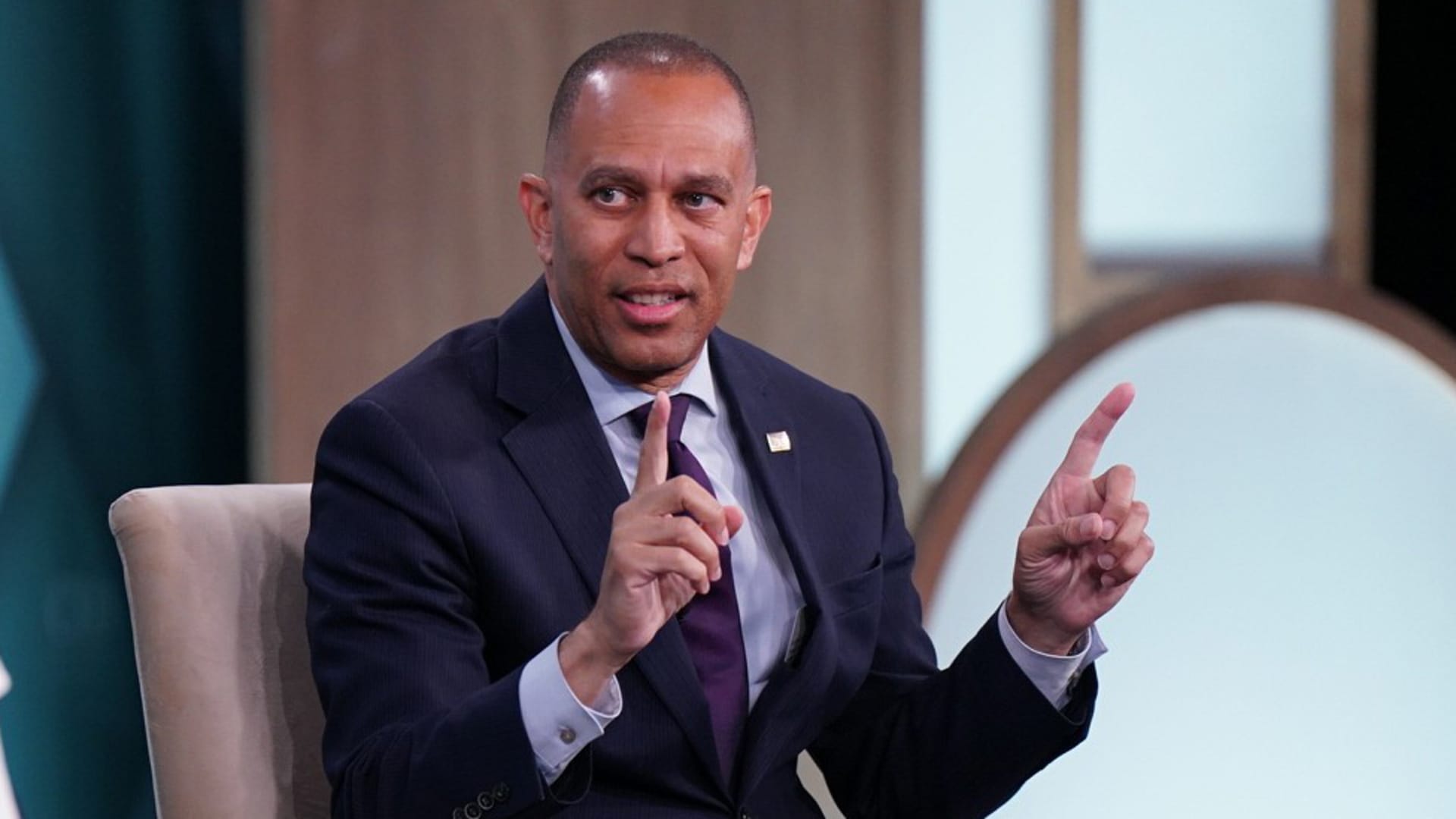
James Talarico healthcare plan targets PBMs, insurers and hospital networks
Texas Senate candidate James Talarico, backed by Mark Cuban, proposes antitrust action and drug-pricing changes, though key details remain unsettled.
By Sarah Jenkins · Chief Macro Economics Correspondent
· 3 min read

Texas Democratic Senate candidate James Talarico has unveiled a James Talarico healthcare plan that would target consolidation among pharmacy benefit managers, insurers and hospital networks, with entrepreneur Mark Cuban backing the effort. The campaign says the measures would increase drug-price transparency, promote generic medicines and limit patients’ out-of-pocket costs, while CVS Health has warned that some PBM reforms could raise US drug costs.
Talarico, a Texas House member running against state Attorney General Ken Paxton, was scheduled to join Cuban at a Fort Worth live event and podcast recording on Saturday to present the proposal, CNBC reported.
What would James Talarico's healthcare plan do?
According to Talarico’s announcement, he supports antitrust legislation directed at vertically integrated healthcare companies, including pharmacy benefit managers, insurance companies and hospital systems. The campaign described four principal measures:
- antitrust action against large healthcare conglomerates;
- rules preventing PBMs from concealing pricing information;
- incentives for the development and approval of generic drugs; and
- caps on out-of-pocket healthcare costs.
Talarico said the policy would reduce medical debt and prescription-drug prices and give doctors, rather than insurers, the decisive role in medication choices. Those are campaign projections, rather than established effects of enacted legislation.
Fox 7 Austin reported that Talarico cited the federal Break-up Big Medicine Bill as an example of the antitrust legislation he would support. The available reporting does not set out a complete legislative text for Talarico’s proposal, a fiscal estimate, an enforcement timetable or evidence that any measure has advanced beyond a campaign policy position.
Why is Mark Cuban involved?
Cuban founded Mark Cuban Cost Plus Drug Company in 2022. CNBC and Fox 7 Austin described the company as seeking to lower consumer prices for generic prescription medicines by bypassing PBMs and negotiating directly with drug manufacturers. Cuban said he supported Talarico’s plan, arguing that it would address healthcare concentration and medicine prices.
Talarico has pointed to concentration figures in making his case. He cited reports finding that large hospital systems control 90% of US hospital beds and that CVS Caremark, Cigna’s Express Scripts and UnitedHealth Group’s Optum Rx handle roughly 80% of prescriptions nationally. Those figures were presented by Talarico as the rationale for his proposal.
PBMs are central to the campaign’s plan because the proposed transparency rule would require more disclosure of drug-pricing information. Cuban’s company has built its generic-drug model around dealing directly with manufacturers instead of PBMs, according to the reporting.
What has the industry said?
David Whitrap, a CVS Health vice-president of communications, said CVS Caremark works to counter pharmaceutical price increases and make medicines more affordable for employers, unions and consumers. He said proposed policies should be assessed on whether they lower or raise costs for the public, and argued that many PBM reforms would benefit large drugmakers and increase US drug costs.
Representatives for Express Scripts and Optum Rx did not immediately respond to CNBC’s requests for comment. The announcement places healthcare affordability at the centre of Talarico’s Senate campaign, but its eventual market effects would depend on the specific legislation, implementation and enforcement approach adopted.
This story draws on original reporting from CNBC.