John Arnold funds $2.6 million sports betting risk research
Arnold Ventures grants will support three years of research into online sports betting, prediction markets and consumer harms.
By Sarah Jenkins · Chief Macro Economics Correspondent
· 3 min read
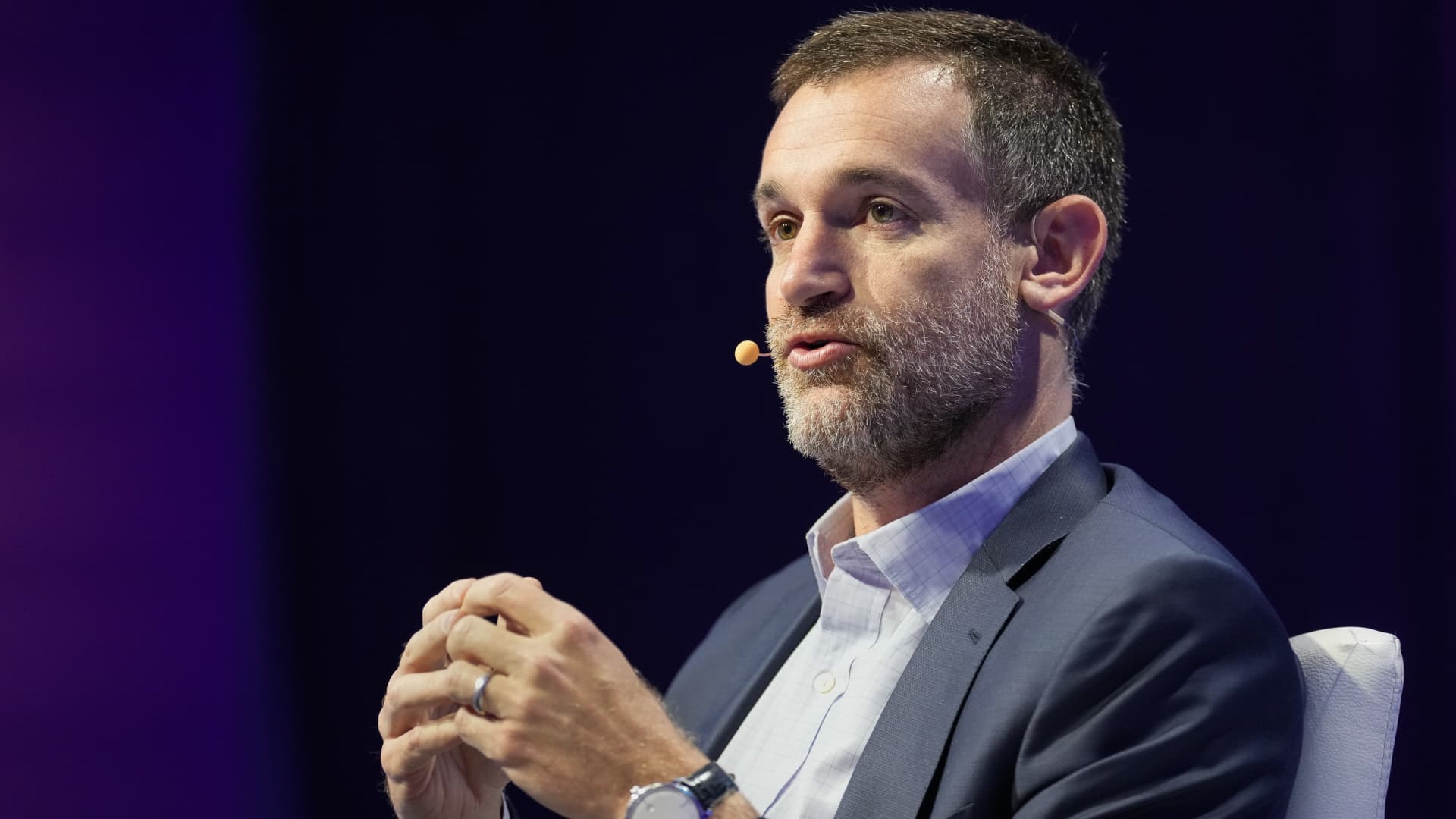
Billionaire philanthropist John Arnold is directing $2.6 million to academic and think-tank research on the risks tied to online sports betting, CNBC reported. The grants come as mobile betting apps and prediction markets expand participation in a sector that generated record U.S. sports betting revenue of $16.96 billion in 2025, according to the American Gaming Association.
Arnold Ventures, the philanthropy Arnold co-founded with his wife, Laura, said the funding will support research over the next three years at institutions including Princeton University, the University of Pennsylvania and the University of Wisconsin. The work will examine effects on financial well-being, household formation, mental health and consumer behavior.
Arnold, a former hedge fund owner and Enron energy trader, told CNBC that online access has changed the nature of sports wagering since a 2018 Supreme Court decision opened the way for broader legalization in the U.S. He has also funded work on criminal justice, higher education and, in 2025, research on the effects of legalized marijuana.
“Being able to bet over the phone has dramatically increased access and lowered friction,” Arnold told CNBC. “It has changed what the product is. You can bet on every pitch. You can bet with a speed that was never possible when you had to place a call to put a bet down.”
Mobile betting and prediction markets expand the policy debate
Sports betting has been legalized in 39 states and the District of Columbia since 2018, according to CBS Sports data cited by CNBC. An April survey by the Research Institute of Siena University found that 27% of Americans have an active online sports betting account, up from 19% in 2024. The same survey found that 46% of men aged 18 to 49 are bettors.
Mobile operators such as DraftKings and FanDuel have helped make sports wagering available from phones. Prediction market platforms, including Kalshi and Polymarket, have also drawn attention because they allow users to trade event contracts. Unlike a conventional sportsbook model, prediction markets involve peer-to-peer contracts and are regulated federally by the Commodity Futures Trading Commission rather than primarily through state gambling regimes.
Trading volume on Kalshi and Polymarket rose from less than $5 billion in September to about $24 billion in April, according to a Pew Research Center analysis cited by CNBC. Sports are the largest category of event contract by volume on prediction markets. The Congressional Research Service said that, as of February, about 87% of bets made on Kalshi over the prior year were on sports.
Lawmakers weigh restrictions
The growth has prompted proposals in Congress. Sen. Jeff Merkley, Democrat of Oregon, and Rep. Jamie Raskin, Democrat of Maryland, have introduced legislation that would ban prediction market contracts tied to sports, elections, war and government actions. Sens. John Curtis, Republican of Utah, and Adam Schiff, Democrat of California, have proposed barring platforms such as Kalshi and Polymarket from offering sports bets.
Separately, Sen. Richard Blumenthal, Democrat of Connecticut, and Rep. Paul Tonko, Democrat of New York, have proposed legislation aimed at stronger online sports betting guardrails. CNBC reported that the measure would empower states to make their own rules, restrict advertising and prohibit some prop bets, which are wagers on an event or statistic within a game rather than its final result.
Arnold told CNBC that states were initially drawn to sports betting because of the tax revenue potential. “It’s very appealing for a state legislature to get money from a voluntary tax rather than a mandatory tax,” he said.
Arnold has met with federal lawmakers, but told CNBC his effort is focused mainly on state legislatures, where sports betting rules are set. He said lawmakers considering legalization or revisions to existing laws should account for how betting products have changed as access and wager frequency have increased.
This story draws on original reporting from CNBC.