Oman joins UK and France effort to secure Hormuz shipping
The agreement comes as oil flows through the Strait of Hormuz recover after a U.S.-Iran accord reopened the key energy route.
By Amanda Ross · Deals Correspondent
· 3 min read
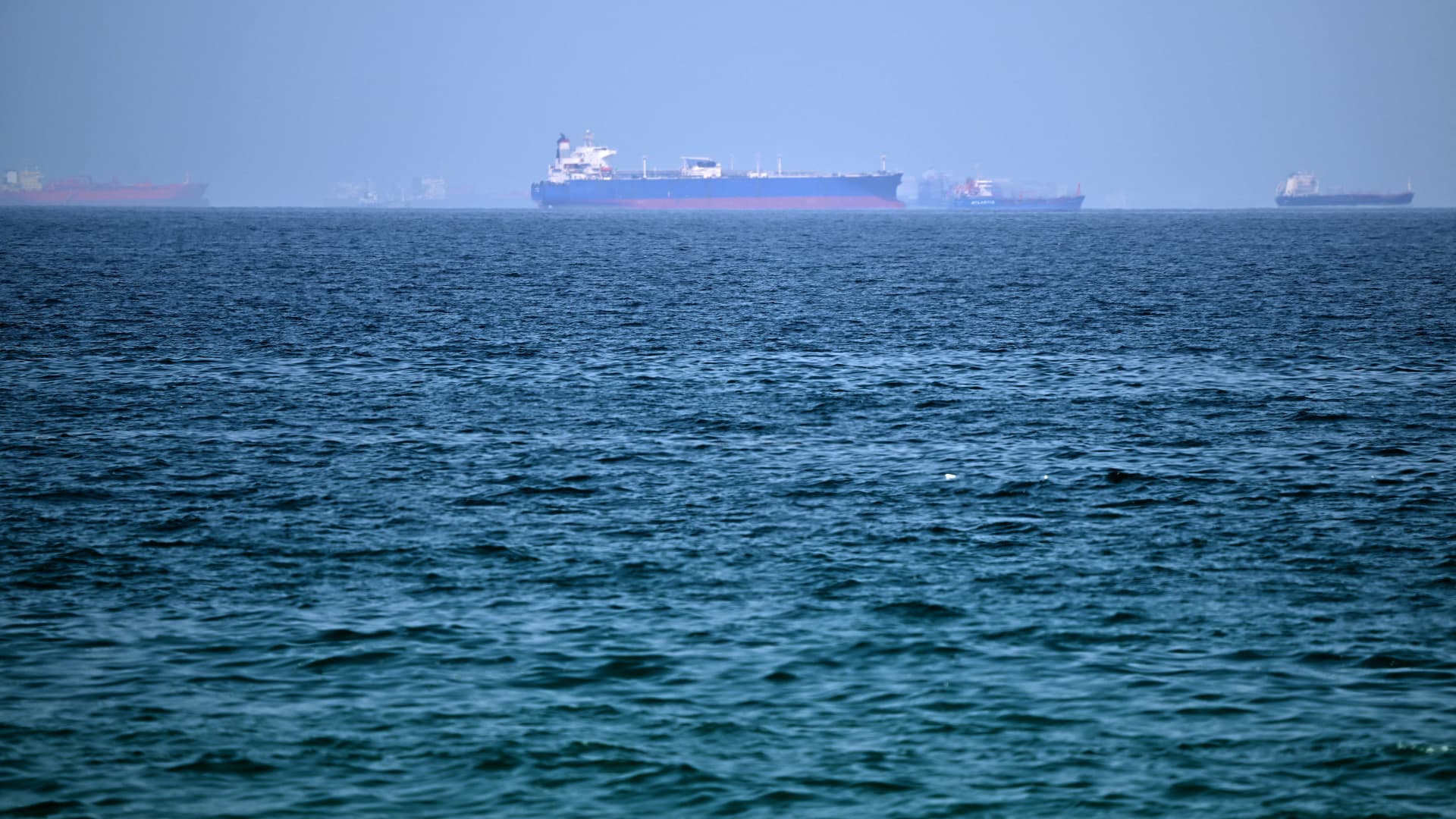
Oman has agreed to cooperate with the U.K. and France on securing navigation in its territorial waters, according to a British statement, as crude shipments through the Strait of Hormuz rise following a June 17 U.S.-Iran memorandum to reopen the waterway. The strait normally carries about 20% of global oil flows, and its disruption during the war contributed to a global energy squeeze.
U.K. Prime Minister Keir Starmer and French President Emmanuel Macron said in a joint statement that Britain and France were prepared to use the broader Multinational Military Mission to support freedom of navigation in the Strait of Hormuz. They described the route as essential to the world economy and said safe passage for ships of all countries was a global concern.
France has sent mine countermeasure capabilities to the Middle East, including two mine-hunting vessels, Macron said on X. He said the ships, supported by two frigates and a maritime patrol aircraft, were ready to work with partners to help restore navigation and protect traffic through the strait.
The U.K., France and more than two dozen other countries said in May that they would back freedom of navigation in the Strait of Hormuz through the Multinational Military Mission. Oman’s Foreign Ministry did not immediately respond to CNBC’s emailed request for comment on Saturday.
Iran warns against outside deployment
Iran objected to the British and French move. Kazem Gharibabadi, Iran’s deputy foreign minister, wrote on X that the Strait of Hormuz was not a place for military displays by powers from outside the region. He said security in the waterway should rest with coastal states and warned that what he called crisis-makers would bear responsibility for the consequences.
Oman sits on the southeastern edge of the Arabian Peninsula, across the strait from Iran, giving Muscat a central role in any maritime security arrangement. Oman has held talks with Iran on a new security framework for the waterway, including amid reports that the two countries could seek to introduce transit fees.
Oman has said any arrangement would comply with international law. The prospect of charges on shipping in the Strait of Hormuz has nevertheless drawn concern because of the waterway’s role in global energy trade.
Oil flows resume after U.S.-Iran accord
The Sultan of Oman, Haitham bin Tarik, met Starmer in London on Thursday. Oman’s state news agency said on X that the two discussed reducing tensions in the Middle East and securing maritime navigation through strategic Gulf waterways.
The U.S. and Iran signed a memorandum of understanding on June 17 to end almost four months of war, reopen the Strait of Hormuz and begin 60 days of negotiations toward a permanent peace agreement. Under that memorandum, Tehran cannot impose tolls on ships during the negotiation period.
Energy shipments through Hormuz have increased since the memorandum was signed. Saudi Arabia moved about 34 million barrels of oil through the strait after June 17, according to Kpler data cited by CNBC. The kingdom’s exports through Hormuz in the two weeks to July 2 were more than double the 15 million barrels shipped from March 9 to June 17. Brent crude has dropped 39% from its March highs.
The Trump administration has opposed any tolling system in the strait. Treasury Secretary Scott Bessent wrote on X on May 28 that all countries should reject efforts by Iran to disrupt commerce, and previously threatened aggressive sanctions against Oman if it helped Iran establish tolls.
President Donald Trump told CNBC on Thursday that no ship had passed through the U.S. blockade of Hormuz during the war, calling it “a wall of steel.” Lloyd’s List reported, however, that at least 26 Iranian shadow-fleet vessels bypassed the blockade. Iran’s parliament speaker and chief negotiator Mohammad Bagher Ghalibaf said Tuesday that Iran had exported more than 40 million barrels of crude since the U.S. lifted its naval blockade of Iranian ports.
This story draws on original reporting from CNBC.