Rutte says NATO unity holds as leaders prepare for Trump meeting
NATO’s secretary general pointed to a 5% defence-spending target and new military deals as leaders met in Ankara amid disputes over Iran and Greenland.
By Amanda Ross · Deals Correspondent
· 3 min read
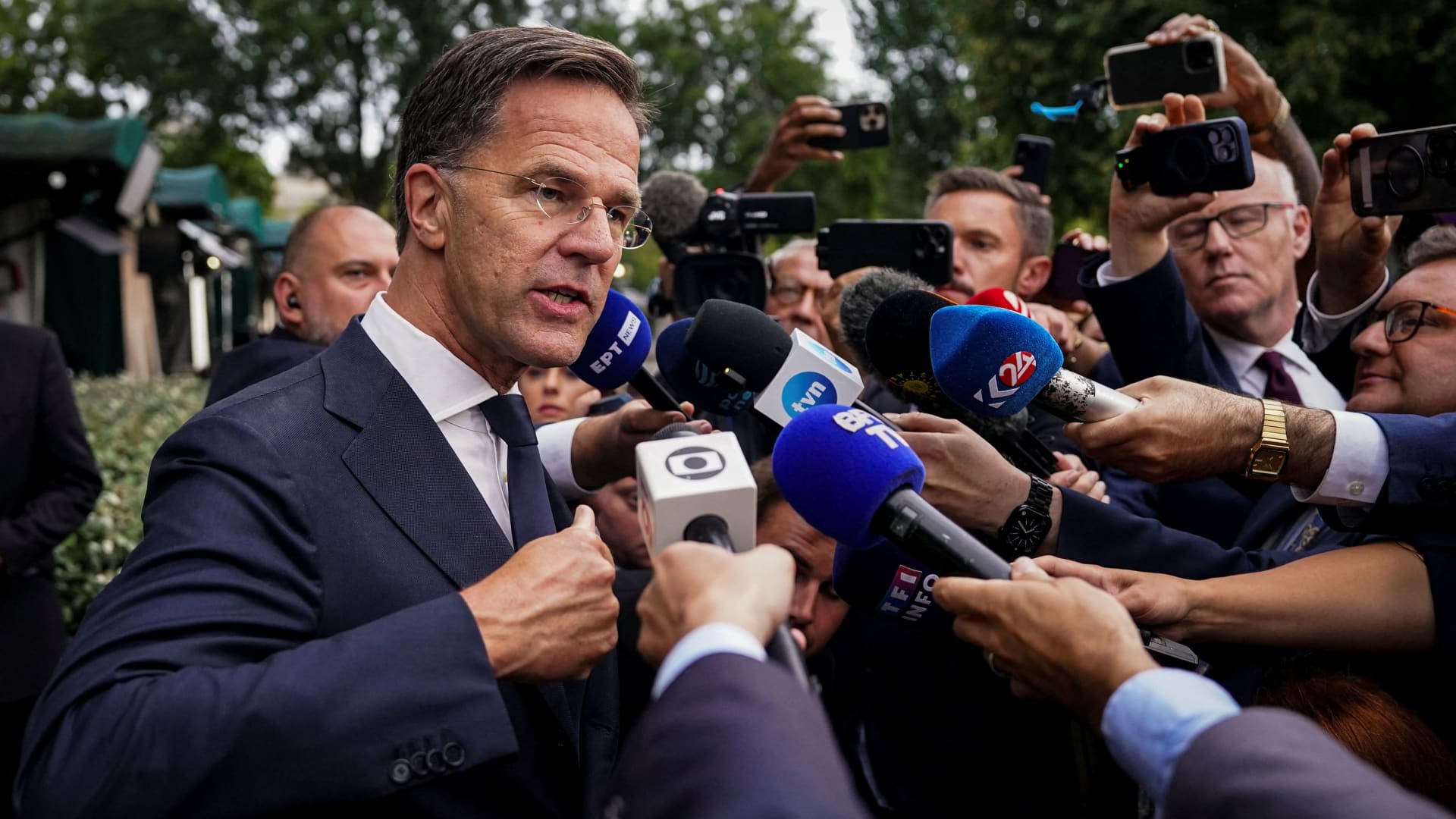
NATO Secretary General Mark Rutte said Wednesday that the alliance was entering what he called a “NATO 3.0” phase, citing a commitment by members to spend 5% of national gross domestic product on defence and new military agreements at a summit in Ankara. The target, agreed last year, raises the fiscal and procurement stakes for European and North American governments as they address Russia, the war in Ukraine, conflict involving Iran and fresh tension over Greenland.
President Donald Trump was due to meet other NATO leaders on Wednesday after months of pressure on allies to increase defence expenditure. Since returning to the White House in 2025, Trump has criticized NATO members over spending levels and, more recently, over their refusal to join U.S. military action in Iran, according to CNBC.
The summit also reopened a sensitive dispute inside the alliance after Trump revived his interest in U.S. control of Greenland. Greenland is a territory of Denmark, a NATO member, making the issue an intra-alliance political challenge at a meeting intended to project common purpose.
Rutte told reporters in Turkey that Washington remained committed to NATO despite those strains. “There is complete commitment of the United States to NATO,” he said as he arrived at the summit, according to CNBC. He added that NATO also served U.S. security interests by helping protect the Atlantic, Europe and the Arctic.
Spending target becomes central signal
Rutte described the 5% defence-spending pledge as a “big win” for the alliance and a setback for Russian President Vladimir Putin. A GDP-based target links military spending to the size of each member’s economy, creating a common benchmark across countries with different budgets and industrial bases.
The secretary general said he expected leaders to acknowledge collectively that Russia represented the long-term threat to NATO territory. Asked whether he had a message for Putin, Rutte replied: “Don’t fool with us.”
Rutte said the alliance, which includes around 1 billion people across Europe, Canada and the United States, would defend its territory. He characterized NATO as defensive and said it would not attack others, according to CNBC.
Ukraine remains central to NATO agenda
NATO has played a major role in supplying military assistance to Ukraine since Russia began its full-scale invasion in early 2022. Several members on the alliance’s eastern flank, including Poland, Slovakia, Hungary and Romania, border Ukraine.
Moscow has opposed Ukraine’s potential membership in NATO. Russia has also argued that NATO enlargement in Eastern Europe helped justify what it calls its “special military operation” in Ukraine.
The Ankara meeting placed those external pressures alongside internal disagreements over burden-sharing, Iran and Greenland. Rutte sought to frame higher spending, military deals and continued U.S. participation as evidence that the alliance remained cohesive, even as Trump’s positions continued to test relations among members.
This story draws on original reporting from CNBC.


