Hormuz attacks test energy policy as Brent stays below April peak
Gene Frieda says the Gulf shock is destroying supply rather than rerouting it, limiting the usefulness of familiar fiscal and monetary responses.
By Ingrid Halvorsen · Venture Capital Reporter
· 3 min read
Brent crude climbed to about $79 a barrel after renewed violence in the Strait of Hormuz, according to Gene Frieda, a Project Syndicate columnist. The move remained far below the roughly $120 level reached in April, when the strait was closed outright, underscoring a more measured market reaction to the latest escalation.
Frieda wrote that the Gulf ceasefire lasted less than three weeks before Iranian attacks on three commercial vessels in the strait. The United States then struck more than 80 targets, revoked Iran’s oil-sanctions waiver and said a memorandum of understanding was no longer in force, according to Frieda’s account, which cited reporting by The Hill for the US strikes and sanctions decision.
The gap between the latest Brent price and April’s peak is central to Frieda’s analysis. He framed the market’s response as a test of whether investors are pricing a return to a full blockade or a violent attempt to reset the terms under which ships pass through the waterway.
Frieda argued that the current energy shock differs from recent crises because it is destroying supply rather than redirecting flows. In earlier disruptions, fuel that could not reach one buyer might be sent elsewhere, often at higher cost and with delays. In the present case, he wrote, the conflict is reducing available supply itself, which narrows the room for policy measures that rely on substitution or rerouting.
That distinction changes the policy problem. When supply can be rerouted, governments and central banks can often focus on managing the secondary effects, including transport bottlenecks, price spikes and pressure on household income. If supply is lost, Frieda said, the same tools face sharper limits because there is less physical energy available to distribute.
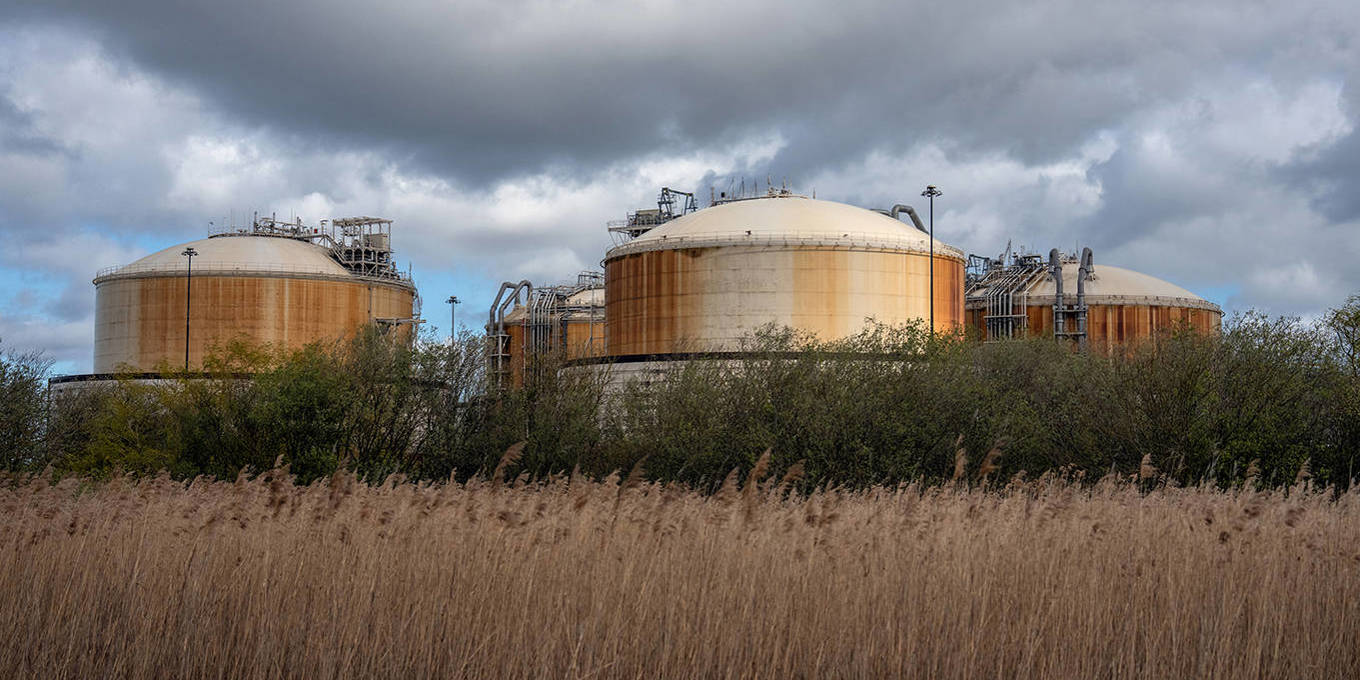
Restrictions on shipping through the Strait of Hormuz have also affected energy infrastructure tied to Middle Eastern fuel shipments, including liquefied natural gas facilities such as the Isle of Grain terminal in Rochester, England, according to the description accompanying Frieda’s commentary.
Frieda said governments can still reduce the impact on groups most exposed to higher energy costs, but only if fiscal and monetary policy operate together. Fiscal policy can target relief at vulnerable households or sectors, while monetary authorities must weigh the inflationary impact of higher energy prices against the risk of weakening demand. Frieda’s argument is that those choices become harder when the shock reflects lost supply rather than a temporary reshuffling of trade routes.
The market response so far leaves policymakers with an unresolved assessment, in Frieda’s view: whether the latest fighting signals a path back to the April-style closure of the strait or a narrower conflict over access and conditions of passage. That distinction will shape how governments judge the durability of the price shock and the pressure it places on budgets, inflation and energy security.
This story draws on original reporting from Project Syndicate.