Taco Bell-linked cyclosporiasis outbreak weighs on restaurant shares
CDC linked more than 1,600 illnesses to shredded iceberg lettuce served at Taco Bell sites in five states, prompting supplier scrutiny and stock volatility.
By Sarah Jenkins · Chief Macro Economics Correspondent
· 3 min read
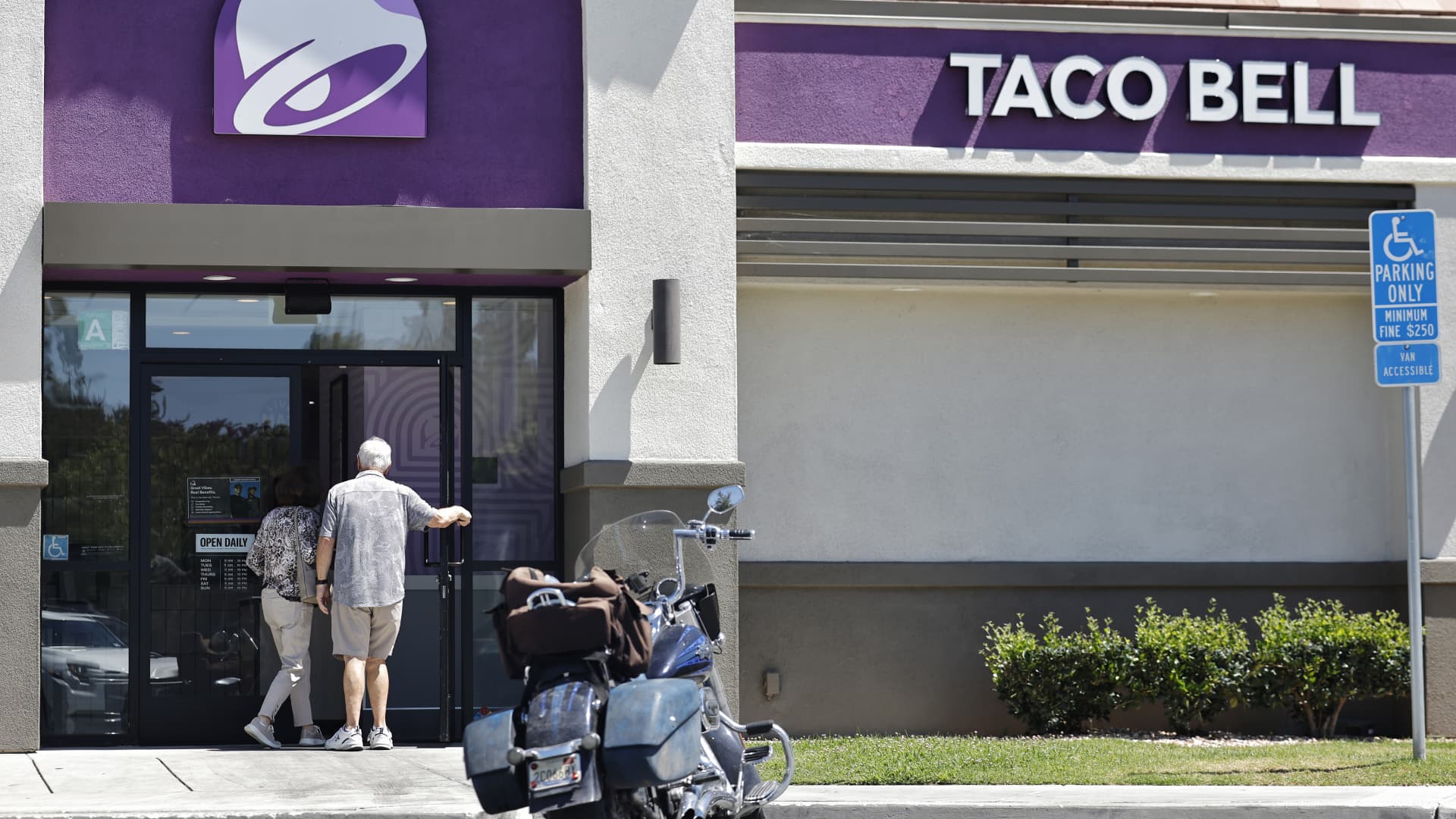
A cyclosporiasis outbreak tied by U.S. health officials to shredded iceberg lettuce served at some Taco Bell restaurants has sickened more than 1,600 people across five states, according to the Centers for Disease Control and Prevention. The episode has pressured restaurant shares, although analysts cited by CNBC said prior food-safety incidents suggest the effect on Yum Brands and the wider sector may be limited in duration.
The CDC said Thursday that its investigation linked the outbreak to shredded iceberg lettuce used at Taco Bell locations in Indiana, Kentucky, Michigan, Ohio and West Virginia. The agency said no deaths have been reported. Cyclosporiasis is caused by a parasite and can resemble a severe stomach illness, with symptoms often appearing two to three weeks after infection, according to the CDC.
The Food and Drug Administration is working with the supplier to determine whether the lettuce was distributed beyond those Taco Bell restaurants, according to the CDC. Media reports cited by CNBC said the affected lettuce may trace to Taylor Farms, a supplier that also was linked to a McDonald’s E. coli outbreak in 2024. CNBC reported that Taylor Farms did not respond to a request for comment.
Yum Brands shares fell nearly 7% over five days as investors reacted to the health scare. Other restaurant companies associated with fresh produce also moved: Sweetgreen dropped nearly 13% during the week and Cava fell more than 3%, before Sweetgreen rose more than 17% and Cava gained about 2% on Friday after the CDC did not identify their ingredients as potential sources.
Company responses
Taco Bell said Thursday that it was voluntarily removing potentially affected lettuce from a supplier in selected states. In its statement, the company said the ingredient from that supplier was being removed from its national supply chain indefinitely and would be replaced within 24 hours in selected states.
Sweetgreen said it had been in close contact with suppliers and that, to date, none of its ingredients had been identified as part of the investigation. The company also said it does not use iceberg lettuce on its menu. Chipotle said Friday that it does not serve shredded iceberg lettuce and does not believe its ingredients are associated with the outbreak.
The issue remains under investigation, and CNBC reported that it is not yet clear whether the CDC will identify other restaurant chains as possible sources. Media reports cited by CNBC also said Taylor Farms was preparing to recall ingredients on Friday.
Analysts see a contained hit
Restaurant traffic has already shown signs of weakness at chains that serve fresh lettuce. Placer.ai data cited by CNBC found that Taco Bell visits were down nearly 6% over the past week, while Panera Bread traffic declined more than 7%.
TD Cowen analyst Andrew Charles told CNBC he expects the outbreak to represent a one-quarter risk for Yum Brands, followed by a recovery similar to those seen after separate E. coli outbreaks at McDonald’s in 2024 and Wendy’s in 2022. Charles said the Taco Bell case involves a topping rather than meat, which he described as a core product that would likely have a larger effect on consumer behavior.
Evercore ISI analysts wrote Friday that they expect attention to shift from Taco Bell toward the supplier. They said food-safety scares without fatalities and without a confirmed brand-level link have historically led to one or two quarters of demand weakness, with stocks tending to recover within two quarters. The analysts also said Taco Bell could return to positive same-store sales growth within weeks, drawing a comparison with McDonald’s roughly six-week recovery in 2024.
Gerry Chiaro, an associate professor of marketing at Northwestern University, told CNBC that Taco Bell will still need to rebuild trust with customers. He said consumers identify the brand they visit, even when a supplier is involved, making clear communication and visible food-safety steps central to the response.
This story draws on original reporting from CNBC.