White House expands role in access to advanced AI models
CNBC reported that the Trump administration is seeking greater control over which partners can test frontier AI systems.
By Sarah Jenkins · Chief Macro Economics Correspondent
· 3 min read
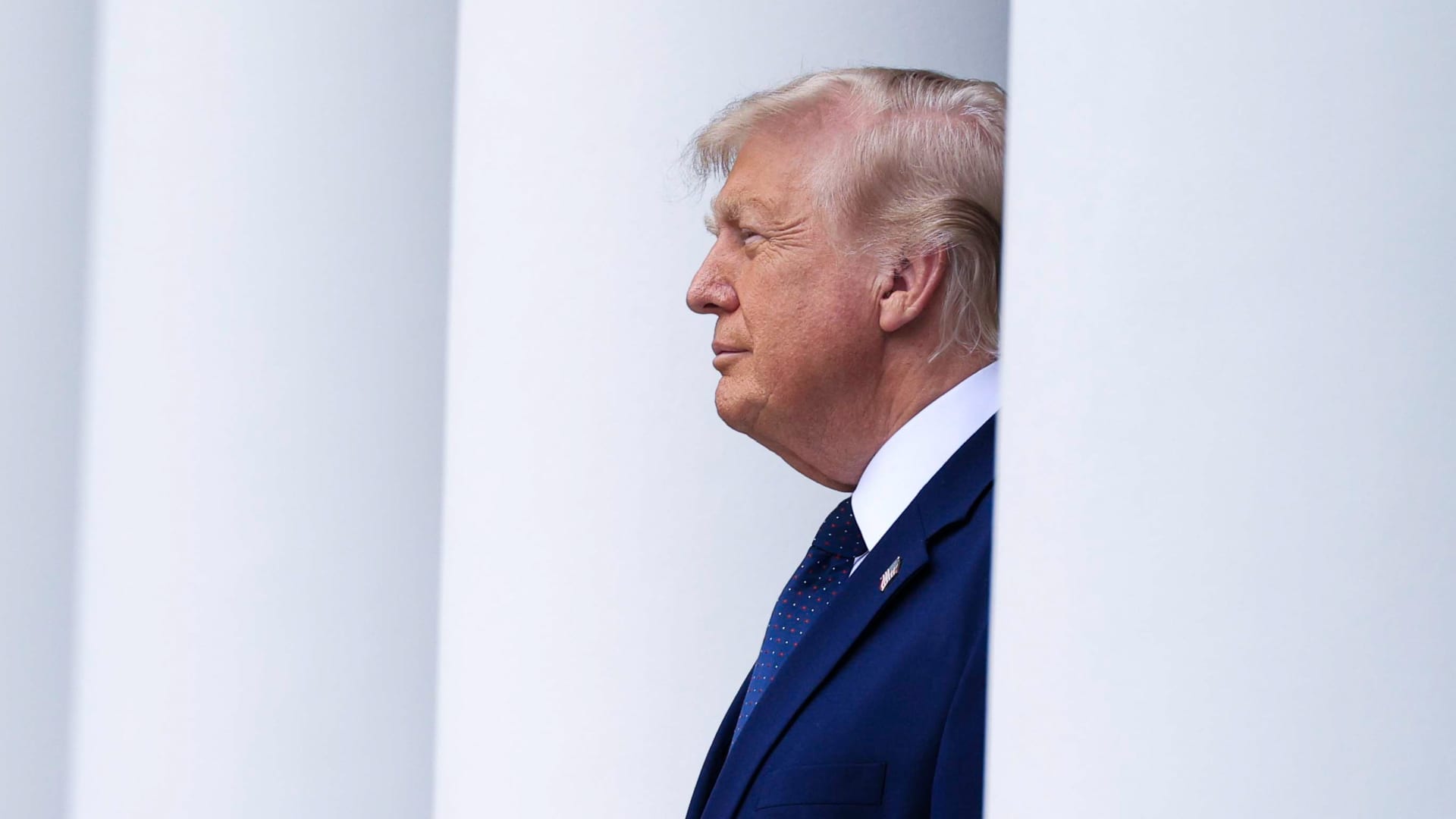
The Trump administration is taking a more direct role in deciding who can access some of the most advanced artificial intelligence models, two people familiar with the matter told CNBC. The shift could reduce the discretion of companies such as Anthropic and OpenAI over early releases, at a time when Washington is weighing cybersecurity risks against competition with China.
Until recently, CNBC reported, leading U.S. AI labs largely controlled access to their own frontier models and chose which corporate customers, government agencies and other partners could receive them before broader release. Anthropic used its Project Glasswing program for a limited rollout of its Mythos cybersecurity model. OpenAI has operated a comparable cybersecurity consortium called Daybreak and was asked by the administration to restrict access to its GPT-5.6 release, according to CNBC.
A White House official disputed the idea that the government approves private AI launches. The official told CNBC that engagements with government experts, including testing and meetings, are “voluntary” and that “decisions on timing and scope of releases rest entirely with the companies.” The official pointed to President Donald Trump’s recent executive order and said the administration is working with U.S. frontier labs to improve security without curbing innovation.
The administration has nevertheless used policy pressure around model access. CNBC reported that the White House last month blocked Anthropic’s Claude Mythos 5 and Fable 5 over “national security concerns,” then restored access after several weeks of talks with the company. OpenAI said last month it would confine new models to “trusted partners” in response to government requests, according to CNBC.
Gold Eagle clearinghouse
The latest step is a White House program called Gold Eagle, which CNBC said was launched this week to work with the private sector on identifying and addressing cyber vulnerabilities. A person familiar with the matter told CNBC that the clearinghouse would put the White House in charge of approving which companies may receive access to new AI models. The person spoke anonymously because the details were not public.
Under that structure, early model access would be treated less like a standard enterprise rollout and more like a controlled release involving government review. Frontier models can improve defensive cyber work, but they can also help automate attacks, search for software weaknesses or assist less sophisticated operators. That dual-use character has made access rules a central policy question for the sector.
CNBC reported that the administration’s approach has created uncertainty for company-led access programs such as Anthropic’s Project Glasswing and OpenAI’s Daybreak. One person familiar with the matter told CNBC that future rollouts would require explicit government approval for participating partners.
China competition frames the debate
The policy shift comes as Chinese AI developers continue to narrow performance gaps with U.S. labs. CNBC reported that Moonshot AI introduced its Kimi K3 model on Friday, with performance that largely caught up to Anthropic’s Fable and OpenAI’s GPT-5.6 and exceeded the U.S. systems on at least one independent benchmark.
David Sacks, founder of Craft Ventures and a former White House AI czar, called the Kimi development “concerning” in a post on X cited by CNBC. “This is how you lose the AI race,” he wrote. “The rest of the world won’t play by our rules if we bog ourselves down.”
The administration’s June executive order asked companies to give the government early model access for testing on a voluntary basis, according to CNBC. The developing dispute centers on whether that voluntary framework is becoming a more formal gatekeeping system for the most capable AI releases.
This story draws on original reporting from CNBC.


