Tanker traffic through Hormuz drops after renewed Iranian attacks
Maritime security executives say crews are resisting Hormuz crossings after at least nine attacks on ships since July 6.
By Marcus V. Thorne · Markets Editor
· 3 min read
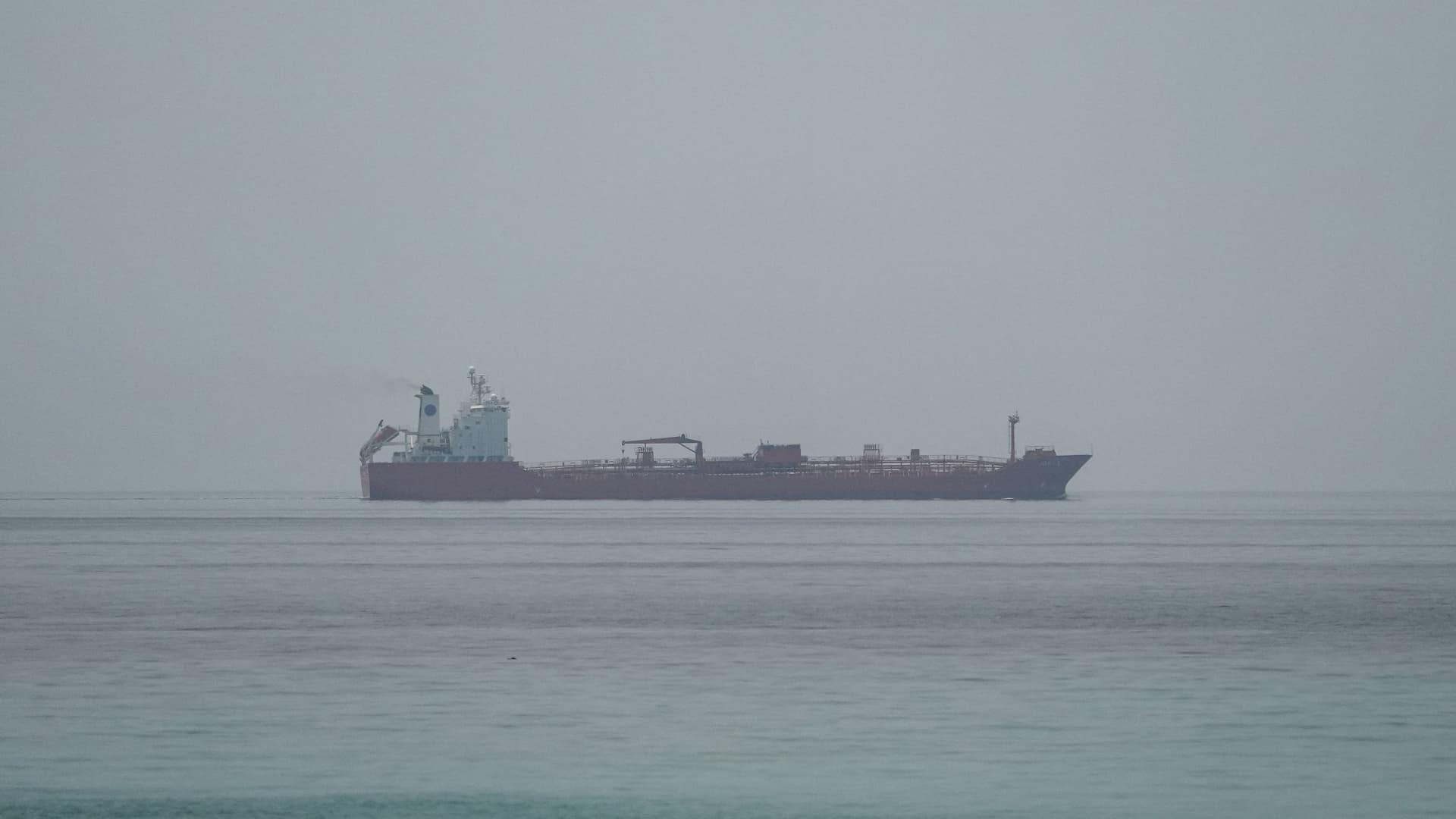
Oil tanker movements through the Strait of Hormuz have slowed sharply after at least nine ships were attacked since July 6, according to the International Maritime Organization. Kpler said transits fell to eight on Thursday from 15 a day earlier, compared with more than 100 daily crossings before the U.S. and Israel attacked Iran on Feb. 28.
Dimitris Maniatis, chief executive of Athens-based maritime risk firm Marisks, told a Lloyd’s List Intelligence briefing that conditions for tankers had returned to what he described as a worst-case situation. He said crews were more anxious than before and that many were unwilling to sail through the strait.
The Strait of Hormuz is one of the world’s most closely watched energy chokepoints because it connects Gulf producers with global buyers. A sustained disruption can affect crude and product flows, freight rates, insurance costs and operational planning for refiners and traders, although the figures cited by Kpler and Lloyd’s describe ship movements rather than a confirmed measure of lost oil supply.
Attacks shift route decisions
The IMO data show Iran has sought to pressure vessels to pass through its territorial waters rather than use a route near Oman’s coast that is protected by the U.S. military. The agency said one seafarer was killed and three were injured on Tuesday in an attack on the crude tanker Al Bahyah off Oman. It also said 11 mariners were injured the same day when the crude tanker Mombasa B was attacked near Oman.
Jakob Larsen, chief security officer at BIMCO, a major shipping association, said the Iranian attacks had involved anti-ship missiles. Maniatis said the pattern of attacks was shaping crew decisions, adding that fear, rather than financial compensation or other incentives, was driving reluctance to transit.
Larsen said the traditional central passage through Hormuz, the traffic separation scheme, remained too dangerous because of the mine threat. Mines usually explode beneath a ship, he said, making them a severe hazard for commercial vessels.
U.S. blockade and falling traffic
President Donald Trump told Fox News on Tuesday that Hormuz was open to all ships except Iranian vessels after Washington reimposed a naval blockade against Iran. He said the strait was closed to Iran in both directions but available to others.
Shipping monitors reported a different operational picture. Lloyd’s List Intelligence analysts tracking the strait said Hormuz had largely shut again, with only a small number of vessels crossing and some doing so with transponders switched off. Kpler said traffic was at a three-week low.
U.S. Central Command said the U.S. military disabled the unladen Curacao-flagged tanker M/T Belma on Wednesday after it ignored multiple warnings while moving through international waters toward Iran’s Kharg Island.
The United States has carried out six rounds of airstrikes against Iran in response to the tanker attacks, according to CNBC. Tehran has answered with missile volleys aimed at U.S. allies in the Gulf, while Iran and Yemen’s Houthi movement have threatened to halt shipping in the Red Sea, a route that has become important for Saudi oil exports during the conflict.
Safe-passage dispute remains unresolved
The fighting has intensified while Washington and Tehran remain at odds over how Hormuz should reopen under a June 17 memorandum of understanding. Iran promised safe passage for vessels, but the agreement did not specify which lanes ships should use.
Larsen said shipping companies need credible assurances from both Iran and the United States that vessels can pass safely. Without an agreement, he said, the alternative would be continued U.S. strikes against Iranian missile batteries, drone operators and gunboats. He added that some operators may return if they judge the U.S. has reduced the threat, while others are avoiding the strait altogether.
The final decision does not rest only with shipowners, Larsen said. Crews also have to accept the passage, and the recent casualties have made that consent harder to secure.
This story draws on original reporting from CNBC.


