Trump heads to Ankara NATO summit amid Ukraine strikes and spending disputes
The summit will test alliance unity after Russia hit Kyiv and Washington pressed European members to accelerate defense spending increases.
By Sarah Jenkins · Chief Macro Economics Correspondent
· 4 min read
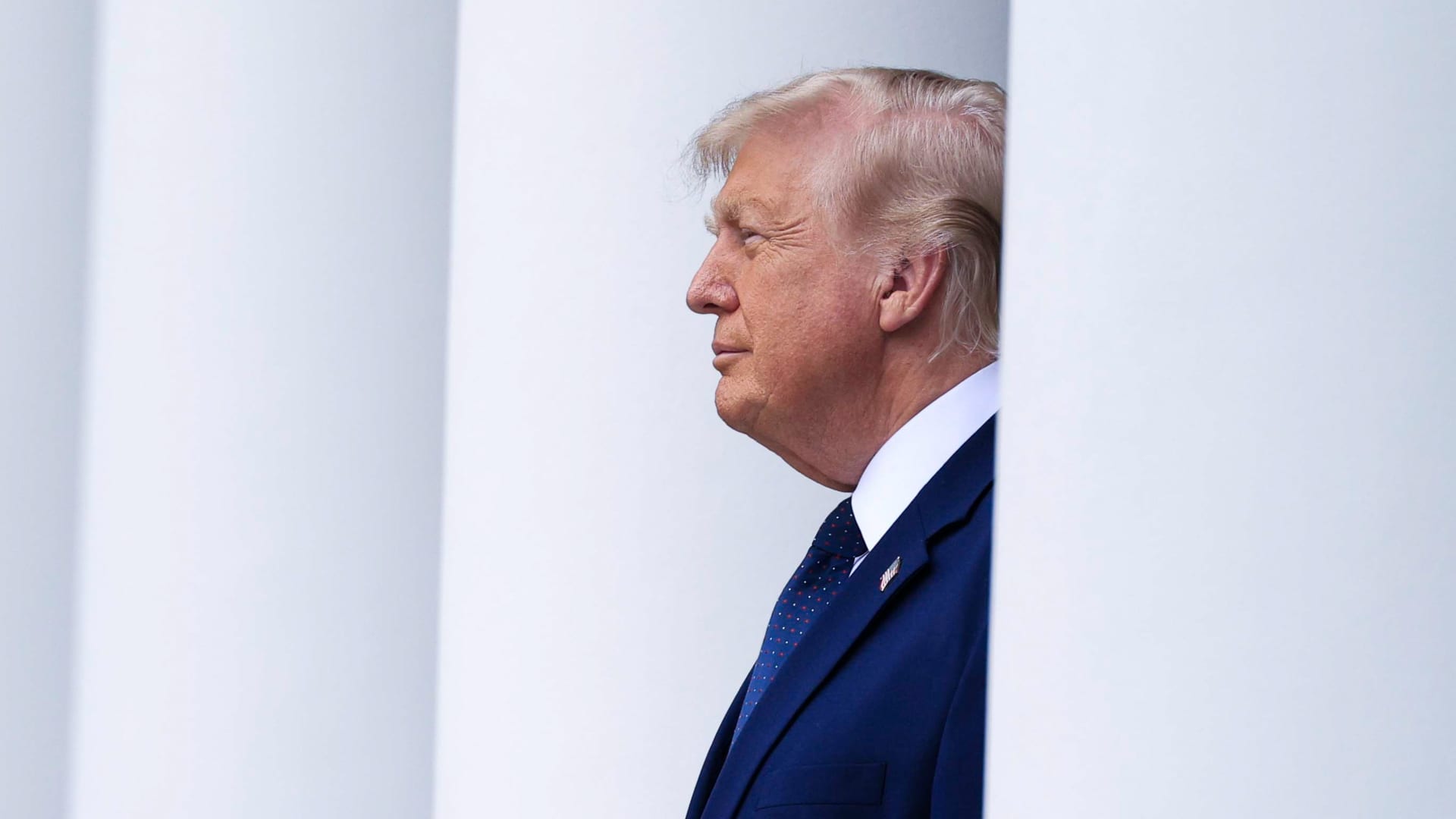
President Donald Trump is traveling to Ankara for a NATO summit as the 32-member alliance faces renewed pressure from Russia’s war in Ukraine and a U.S. push for faster increases in European defense budgets. The meeting comes after Kyiv was hit by dozens of missiles and hundreds of strike drones, and as U.S. officials signal that large defense-related announcements could emerge on the sidelines.
White House spokeswoman Anna Kelly told reporters that Trump was due to arrive in Turkey on Tuesday afternoon after leaving the United States on Monday evening. His schedule includes a meeting and arrival ceremony with Turkish President Recep Tayyip Erdogan, a NATO leaders’ dinner, a leaders’ photo on Wednesday, a working session, bilateral meetings with Ukrainian President Volodymyr Zelenskyy and Syrian President Ahmed Hussein al-Sharaa, and a press conference before returning to Washington.
The summit agenda is shaped by several points of strain: Russia’s continued attacks on Ukraine, Washington’s demand that NATO allies spend more on defense sooner, the U.S. war against Iran and earlier U.S. efforts to acquire Greenland, a territory of NATO member Denmark. Trump sits at the center of each issue, giving the Ankara meeting a high degree of political sensitivity for European governments and alliance officials.
Ukraine puts air defenses at the center
Russia struck Kyiv on Sunday with dozens of missiles and hundreds of attack drones, killing at least 11 people and injuring many more, according to Zelenskyy and media reports. The timing, just before the summit, is expected to keep Ukraine’s air-defense needs near the top of NATO’s discussions.
NATO has described Russia’s war in Ukraine as the gravest threat to Euro-Atlantic security in decades. Zelenskyy, who is expected to attend the gathering, said after the strikes that Ukraine urgently needs more military support, especially from the United States. “The United States and Europe have enough strength to stop this terror,” he said early Monday.
Trump spoke with Russian President Vladimir Putin a day before the Kyiv attack. The Kremlin said the U.S.-initiated call lasted nearly 90 minutes and described it as “business-like and constructive.” According to Putin aide Yuri Ushakov, Trump said Russia and the United States could unlock “colossal potential for mutually beneficial cooperation” once the war ends, while Putin presented what Ushakov called the “real situation on the battlefield.”
Trump also spoke with Zelenskyy that day. Asked on Monday why Putin appeared undeterred after their call, Trump told reporters in the Oval Office that he believed the Russian leader was under pressure and wanted to end the conflict. “Putin wants it to end, I will tell you that very strongly,” Trump said, adding that Zelenskyy also wanted an end to the war.
Michael O’Hanlon of the Brookings Institution told CNBC’s “The Exchange” that he had not seen evidence Putin was closer to a settlement. O’Hanlon said a constructive summit would include progress on sharing defense costs and additional pressure on Putin, while warning that several disputes could disrupt the talks.
Spending demands test the alliance
NATO members agreed last year to raise defense spending to 5% of gross domestic product from 2% by 2035. That target works as a burden-sharing benchmark: each government’s military outlays are measured against the size of its economy, rather than against a fixed cash amount. The Trump administration wants allies to reach the higher level more quickly.
Matthew Whitaker, the U.S. ambassador to NATO, told CNBC that Washington wants Europe to assume more responsibility for conventional defense on the continent. “We’re not going away, we’re just doing less,” he said.
NATO Secretary General Mark Rutte said in May that the summit’s task was “to turn Allied commitments into concrete results.” A senior U.S. official told reporters to expect “billions of dollars in announcements” around the Ankara meeting, without providing details.
The spending dispute also intersects with recent U.S. frustration over the Strait of Hormuz. Trump has criticized NATO members for not responding to U.S. calls for help clearing the economically vital waterway during Washington’s campaign against Iran, adding another unresolved issue to the alliance’s talks in Turkey.
This story draws on original reporting from CNBC.


