Young voters put housing costs at top of midterm issue list, CNBC finds
A CNBC poll of 1,000 registered voters shows housing affordability is a leading concern for younger Americans ahead of the 2026 midterms.
By Amanda Ross · Deals Correspondent
· 3 min read
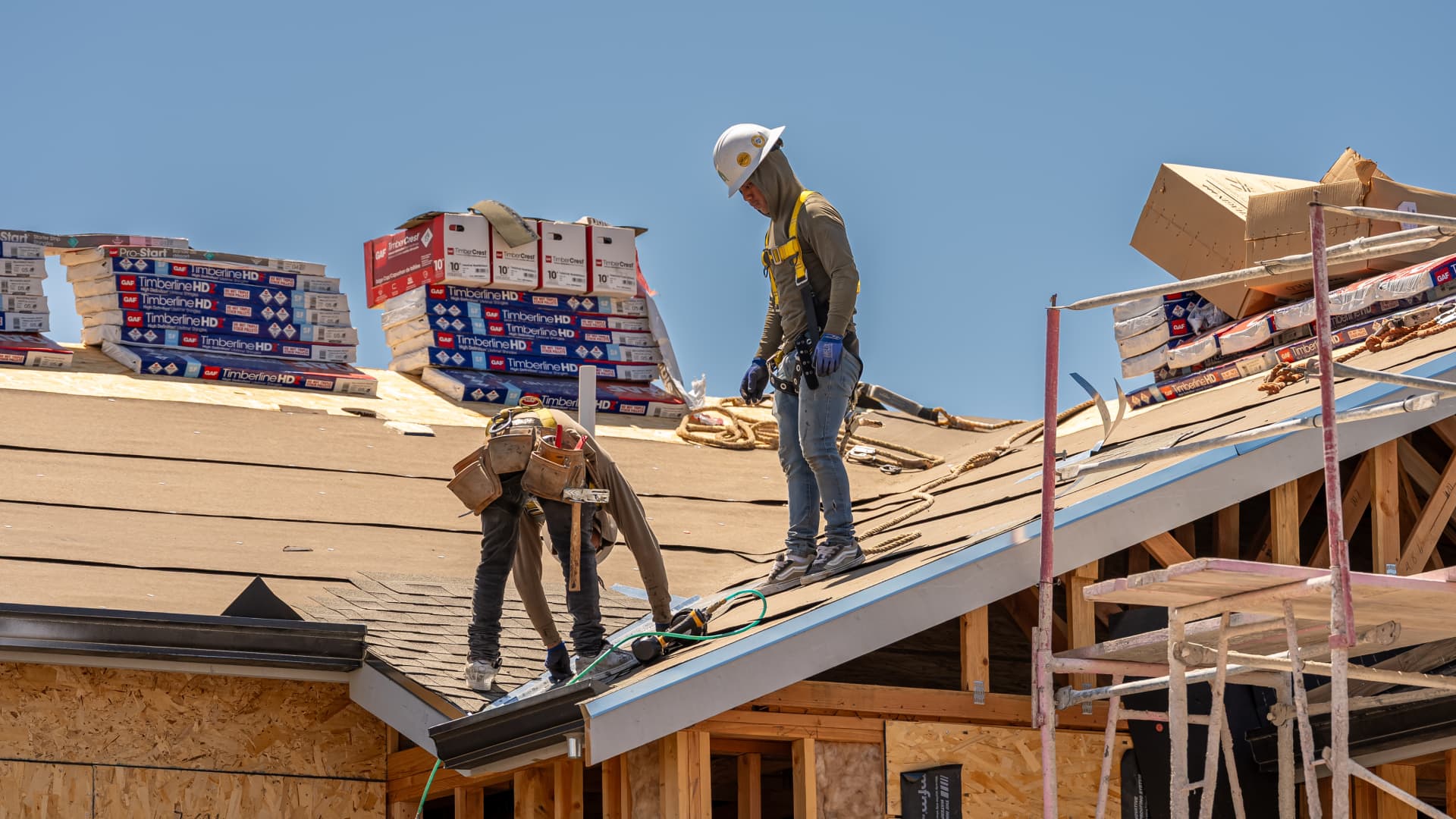
Housing costs have become the leading political concern for U.S. voters aged 18 to 34 ahead of the 2026 midterm elections, according to CNBC’s second-quarter All-America Economic Survey. Across all registered voters surveyed, housing ranked fourth at 24%, behind food and grocery prices at 36%, protecting democracy at 29%, and immigration and border security at 25%.
The CNBC survey, conducted July 8 to 12 among 1,000 registered voters, allowed respondents to select one or two top issues and had a margin of error of 3.1 percentage points. Housing tied with health-care costs as the fourth-most cited national issue overall, but it carried greater weight among younger voters and men aged 18 to 49, CNBC reported.
For voters aged 18 to 34, housing costs topped the list. Among men aged 18 to 49, it was also the leading issue. For respondents aged 35 to 49 across genders, housing ranked second, after food and grocery prices.
The findings point to a cost-of-living pressure with direct implications for turnout and party messaging. Jay Campbell, a partner at Hart Research and the Democratic pollster for the survey, told CNBC that Democrats had missed an opportunity in 2024 by not speaking more about health care, an issue where polling has long favored the party. Campbell said housing could play a comparable role in 2026, especially for Democrats seeking to bring younger anti-Trump and pro-Democratic voters to the polls.
Affordability pressure
Housing affordability has been strained by purchase prices, rent burdens and mortgage-related costs, including insurance and property taxes. A June report from Harvard University’s Joint Center for Housing Studies found that 49% of renter households spent more than 30% of their income on housing. Of those 22.7 million households, 12.1 million spent more than half their income on housing, according to the report.
CNBC also cited Zillow data showing the value of a typical U.S. home at $372,995 in June 2026, based on the Zillow Home Value Index, which includes single-family homes, co-ops and condos.
The issue does not carry equal weight across party lines. Democratic respondents ranked housing third, after food costs and protecting democracy. Independents put it fourth, after food, democracy and immigration. Republicans placed housing lower than immigration, food costs and Iran, CNBC reported.
Parties contest ownership of the issue
Both parties have sought to claim the affordability agenda after Congress passed a bipartisan housing measure in June. CNBC reported that the bill was intended to increase housing supply, reduce the cost of renting or buying, and limit private equity’s role in the housing market.
President Donald Trump canceled a planned signing ceremony after the event had been prepared at the Capitol and declined to sign the measure, which he called a “big yawn,” according to Politico as cited by CNBC. The bill became law earlier this month without Trump’s approval because of a technicality, CNBC reported.
Survey respondents gave Democrats an edge on the issue. CNBC found that 38% said Democrats would do a better job on housing, while 32% favored Republicans. Among respondents who named housing as one of their top two concerns, 53% said Democrats would handle the issue better than Republicans.
Viet Shelton, a spokesperson for the Democratic Congressional Campaign Committee, said in a statement to CNBC that Americans are facing rising rents, high home prices and costly mortgage rates under Republican rule. Mike Marinella, a spokesperson for the National Republican Congressional Committee, said Democrats had contributed to the housing crisis and that Republicans had acted to build more homes and lower costs.
The poll also showed broader dissatisfaction with Trump’s economic management. CNBC reported that 60% disapproved of his handling of the economy, 68% disapproved of his handling of inflation and the cost of living, and 63% disapproved of his handling of Iran. Asked which party they preferred to control Congress after the midterms, voters favored Democrats over Republicans, 49% to 45%.
This story draws on original reporting from CNBC.


