Zoox recalls robotaxi software after Las Vegas smoke incident
Amazon-owned Zoox recalled software in 105 robotaxis after one entered a smoky emergency fire scene in Las Vegas, according to a federal filing.
By Marcus V. Thorne · Markets Editor
· 3 min read
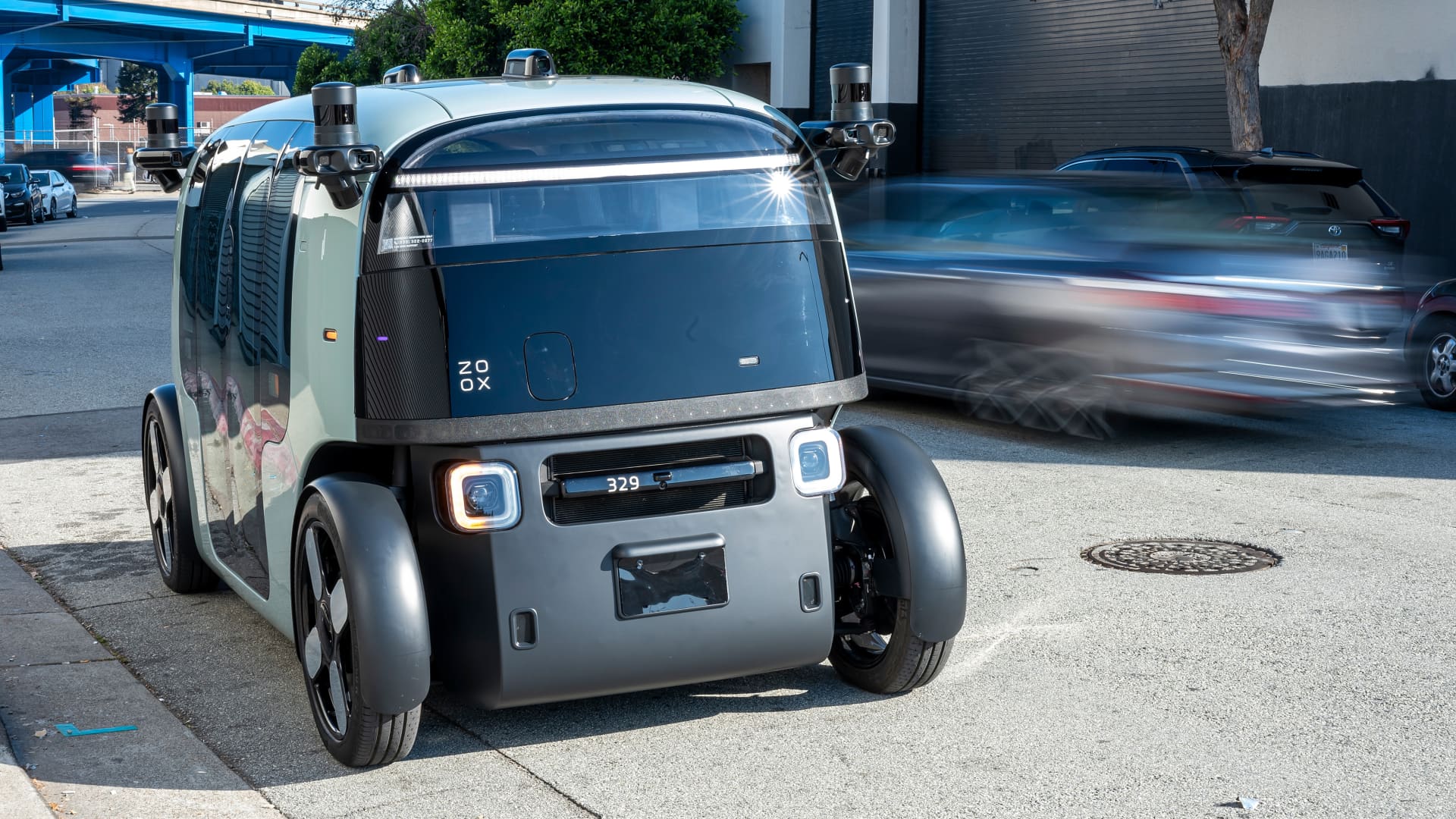
Amazon-owned Zoox has voluntarily recalled software in 105 robotaxis after a vehicle failed to identify heavy smoke and entered an active emergency fire scene in Las Vegas, according to a report filed with the National Highway Traffic Safety Administration. The action adds to regulatory scrutiny of autonomous vehicles as federal officials press developers to improve how driverless systems respond to first responders and emergency zones.
Zoox notified NHTSA of the recall on July 8 after identifying the issue following a June 20 incident, the company said in its report. The vehicle involved was unoccupied when it encountered dense smoke that obscured an emergency fire scene that had not been blocked with cones, according to Zoox.
The robotaxi drove into the scene, then braked hard while trying to steer away before stopping, the company said. A Zoox teleguidance employee then directed the vehicle to reverse. First responders subsequently placed traffic cones to close off the area, according to the report.
Zoox said its review found no injuries and identified the Las Vegas episode as the only incident of its kind. The recall is designed to address the software problem that allowed the vehicle to fail to detect the smoke hazard and proceed into it.
Emergency response under regulatory focus
The recall follows a directive from NHTSA Administrator Jonathan Morrison to autonomous-vehicle developers last week. In a letter, Morrison said the agency had found “a clear pattern of driverless AVs interfering with law enforcement and other first responders.”
The letter cited incidents in which autonomous vehicles entered active emergency scenes, obstructed ambulances or firefighters, or did not properly recognize or respond to flashing lights, flares, smoke, fire and traffic cones. Morrison asked developers and operators to focus resources on fixing the issue and submit their solutions to the agency by the end of the month. The letter did not name specific companies.
For autonomous vehicles, software recalls typically involve updates to the automated driving system rather than the replacement of mechanical parts. In this case, the recall covers the programming used by Zoox vehicles to interpret road conditions and hazards, including low-visibility environments around emergency scenes.
Zoox’s rollout and competitive position
Amazon acquired Zoox for $1.3 billion in 2020. The company’s robotaxis are purpose-built electric vehicles without steering wheels or pedals, with four inward-facing seats arranged in a shuttle-style cabin.
Zoox currently offers free rides in parts of Las Vegas and San Francisco, and it allows select users to hail vehicles in limited areas of Miami and Austin, Texas. The company is also testing in six other U.S. cities.
The company has issued several software recalls over the past year, including updates related to lane crossings and to its systems for predicting the movement of other vehicles and pedestrians, according to CNBC.
Zoox is competing in a U.S. robotaxi market led by Alphabet’s Waymo, which CNBC reported has about 4,000 automated vehicles in the country. Waymo last month recalled about 3,900 robotaxis after some vehicles entered closed freeway construction zones, increasing the risk of a crash, according to CNBC.
The latest Zoox recall underscores a central technical and policy challenge for autonomous-vehicle operators: driverless systems must detect not only routine traffic controls but also irregular and rapidly changing emergency conditions. NHTSA’s recent letter indicates that federal regulators expect companies to demonstrate stronger performance around first responders as commercial deployments expand.
This story draws on original reporting from CNBC.