Europe climate resilience plans are falling short, Boccaletti says
Giulio Boccaletti says Europe’s heat, grid and demographic pressures require economy-wide adaptation, not only disaster response.
By David L. Chen · Senior Columnist
· 3 min read
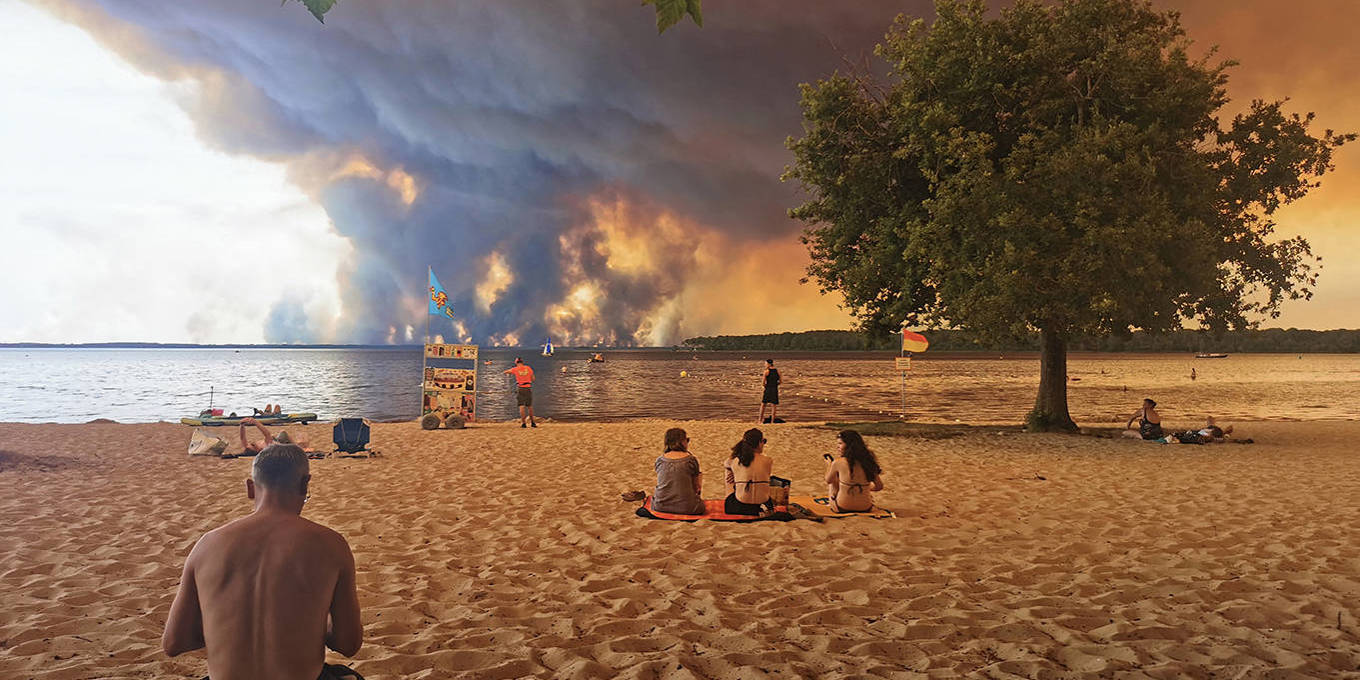
Europe climate resilience efforts are not keeping pace with hotter summers, wildfires and flood risks, Giulio Boccaletti argued in a Project Syndicate commentary published July 29. He said recent heat plans in cities such as Rome show a growing official response, but still fall short of the long-term infrastructure and economic changes needed as climate conditions worsen.
Boccaletti, an author and environmental scholar, pointed to the heat wave that struck Europe from June 20 to June 28, which he said helped create the conditions behind wildfires across parts of France and Spain. Soon after, Rome announced what city officials described as a scientifically informed strategy for a hotter climate, including emergency measures for vulnerable residents, more green space, additional water fountains, climate shelters and investments in grid resilience.
Rome has used heat policies before. Boccaletti noted that the city introduced a heat health warning system in 2002, ahead of the 2003 European heat wave. Scientific studies cited in his commentary estimated that the 2003 event killed 70,000 people across Europe, including more than 1,000 in Rome. Afterward, Rome and other cities expanded early-warning systems, registries for vulnerable people and hospital preparations.
Those measures did not prevent severe losses in 2022, when another major European heat wave killed an estimated 60,000 people, according to research cited by Boccaletti. Governments later adopted measures including school closures, event cancellations and rules for outdoor work. Boccaletti said evidence suggests such actions helped, but this year’s heat still showed Europe remains behind the speed of change.
Why is Europe climate resilience not enough?
Resilience usually means preparing for shocks, responding during emergencies and recovering afterward. Boccaletti argued that Europe now needs “resilient growth”: investment and planning that reshape energy, cities, transport, housing and industry around the material conditions climate change is creating.
He cited the World Health Organization’s assessment that heat waves are becoming more frequent, longer and more intense. He also pointed to the Intergovernmental Panel on Climate Change’s finding that greenhouse-gas emissions must fall to net zero to stabilize climate conditions, while risks will worsen before that point is reached.
The strain is already visible in energy systems. During the June 2026 heat wave, Boccaletti wrote, air-conditioning demand pushed Rome close to its daily peak electricity capacity of 2.1 gigawatts, followed by localized blackouts. He said Italy’s grid remains constrained despite investment, with limited spare capacity, heavy reliance on natural gas, hydropower exposed to climate impacts and underground distribution cables vulnerable to heat stress.
Boccaletti argued that fixing isolated grid problems will not be enough. In his view, Italy and other European economies must map future energy demand around electrification, renewable power, automation and artificial intelligence, while addressing declining competitiveness highlighted in the European Commission’s Draghi report.
He also linked climate adaptation to Europe’s demographic pressures. Europe’s median age is now 45, with one retiree for every three workers, according to figures cited in the commentary. By the end of the century, one-third of Europeans are expected to be over 65, the age group most exposed to heat-related mortality. Boccaletti said maintaining welfare services would require higher productivity, a larger working-age population or both.
Migration and trade with Africa could become part of that equation, he wrote, noting that Africa’s median age is under 20 and its population is projected to reach 2.5 billion by 2050. Such a shift would carry large territorial demands in Europe, including more housing, transport and public services in cities such as Rome, Vienna and Paris.
Boccaletti concluded that Europe can no longer treat climate change as a background trend. He said the policy challenge is comparable in scale to earlier state-led transformations of water, power and territory that shaped modern economies.
This story draws on original reporting from Project Syndicate.