Iran conflict risks widen around Gulf and Red Sea chokepoints
CSIS says US deployments and Iranian proxy preparations could broaden the war, with prediction markets pricing low odds of near-term reopening at Hormuz.
By David L. Chen · Senior Columnist
· 3 min read
The Iran conflict is showing signs of further escalation around two energy chokepoints central to global oil and shipping flows: the Strait of Hormuz and the Bab al-Mandab. Prediction markets cited by Econbrowser put the odds of the Strait of Hormuz reopening by Sept. 1 at 8% on Kalshi, while Polymarket priced a Red Sea closure by Aug. 31 at 17%.
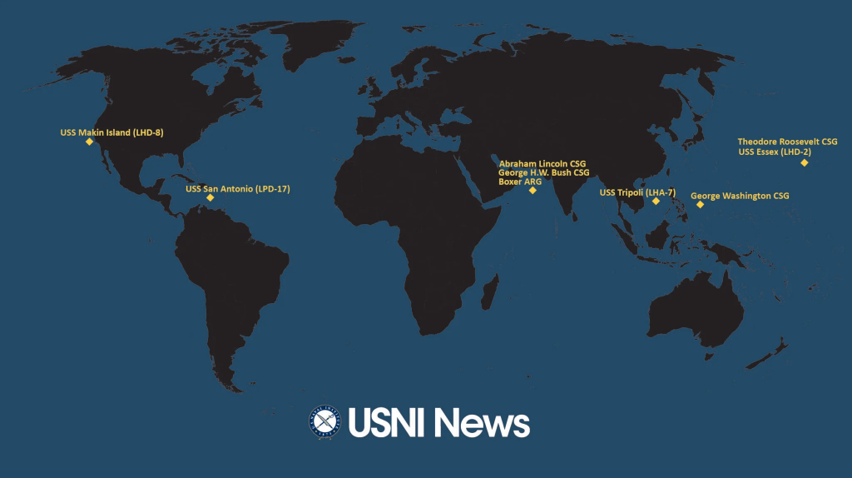
M. Yacoubian of the Center for Strategic and International Studies said the war may be moving into a more dangerous phase after a reported July 16 National Security Council meeting that considered multiple US military options. The New York Times reported that the United States has sent additional fighter jets to the region, a deployment CSIS said could signal preparation for a larger attack.
Reuters has reported speculation over possible US operations involving Pickaxe Mountain, described by CSIS as Iran’s secretive nuclear facility, or Kharg Island, where Iran has major oil export infrastructure. Yacoubian cautioned that such operations would carry substantial risks.
Energy routes in focus
The Strait of Hormuz is a primary maritime route for Gulf oil and gas exports. A blockade or prolonged closure can force producers and traders to rely on alternative pipelines, ports and longer sea routes, raising costs and complicating supply schedules. The Bab al-Mandab, at the southern entrance to the Red Sea, is another critical passage for commercial shipping and energy flows between the Indian Ocean and the Suez Canal.
Yacoubian said Iran could also intensify the conflict. Reuters reported that Tehran has asked the Houthis, its partner force in Yemen, to prepare to close the Bab al-Mandab if the United States attacks Iran’s power network. CSIS said Iran could also conduct more coordinated attacks on Gulf energy infrastructure to increase pressure on Gulf economies and global energy markets.
Among the facilities at risk, CSIS identified Yanbu, the Saudi Red Sea port that has functioned as an alternative route during the closure of Hormuz. Yacoubian also said Israel is preparing for possible Iranian strikes that could pull it back into the conflict.
Risk of wider confrontation
Gulf states have so far played down the prospect of direct conflict with Iran and have sought de-escalation, according to CSIS. Yacoubian said that posture could change if Iranian attacks on critical infrastructure leave Gulf governments feeling cornered.
Econbrowser, citing public sources, said a land expedition appears unlikely given current naval deployments, with only one amphibious ready group in the region. The commentary described an intensification of the air war and a renewed blockade as the more likely short-term path, while presenting that assessment as a judgment rather than a confirmed plan.
The market-implied probabilities remain mixed. Kalshi’s 8% odds for a reopening of Hormuz by Sept. 1 suggest traders see limited near-term relief on that route. Polymarket’s 17% odds of a Red Sea closure by Aug. 31 indicate a lower, though still visible, probability assigned to disruption there, despite Houthi claims that the Bab al-Mandab is already closed.
This story draws on original reporting from Econbrowser.