US ICC policy shift draws warning from Eric Alter
Eric Alter says Washington’s move from helping the ICC on Russia to opposing it over Israel could cede legal influence to other states.
By David L. Chen · Senior Columnist
· 3 min read
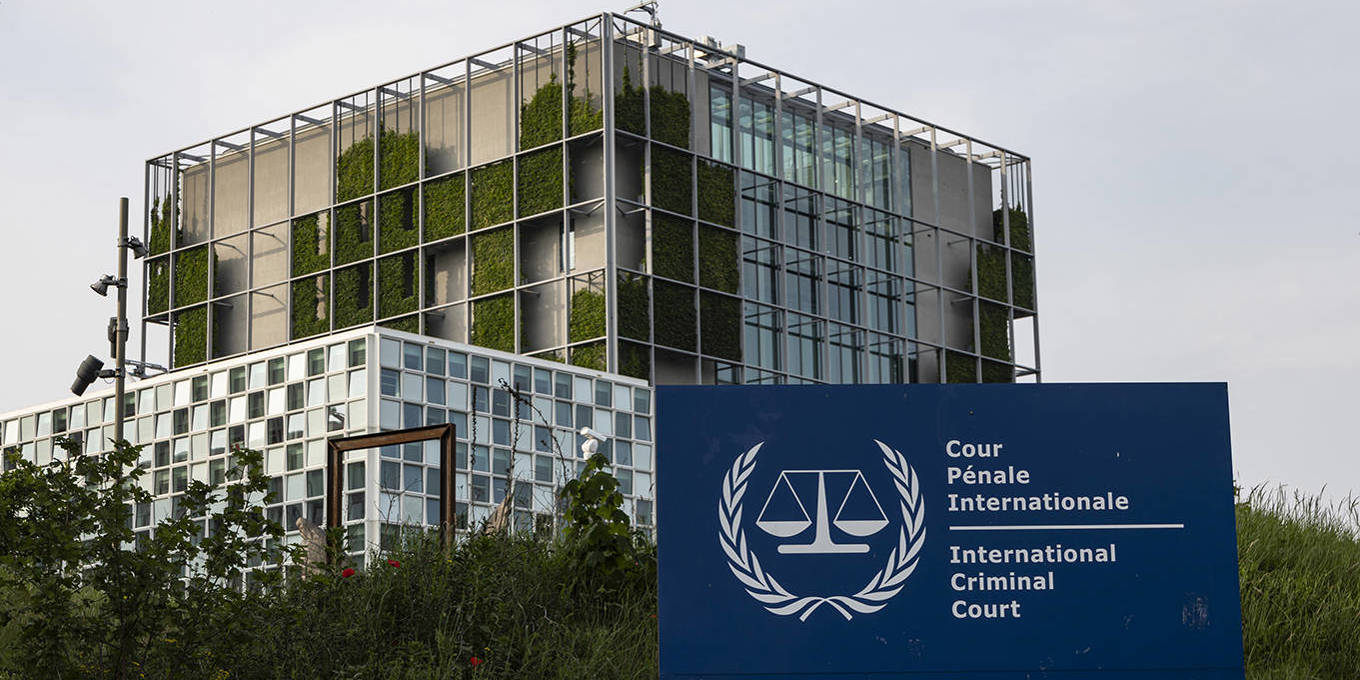
The US ICC policy shift from cooperation over Russian war-crimes evidence to confrontation over the court’s actions involving Israel risks weakening Washington’s influence over international criminal law, Eric Alter argued in a Project Syndicate commentary published July 28, 2026. Alter said the change matters because the United States had previously helped the International Criminal Court pursue a case against Russian President Vladimir Putin despite long-standing US objections to the court’s reach over non-member states.
According to Alter, President Joe Biden in 2023 directed US intelligence agencies to provide the ICC with evidence related to alleged Russian war crimes. The stated aim, he wrote, was to support an indictment of Putin.
Alter described that decision as a departure from Washington’s earlier position. The United States had maintained that the ICC lacked jurisdiction over citizens of countries that had not ratified the Rome Statute, the treaty that created the court. Russia and the United States are both in that category, according to Alter.
What is the US ICC policy shift?
The shift described by Alter is from selective cooperation with the ICC in the Russia case to a broader campaign against the court in the context of Israel. He argued that Washington’s stance now seeks to protect Israel from ICC scrutiny, while the earlier cooperation with the court showed a willingness to use international criminal-law mechanisms against Russia.
The International Criminal Court, based in The Hague, prosecutes individuals accused of the gravest international crimes under the framework of the Rome Statute. The jurisdiction question is politically sensitive because some major powers have not joined the treaty yet can still become connected to ICC proceedings through conflicts, referrals or investigations involving member-state territory.
Alter’s central claim is that the United States is not stopping the development of international law by challenging the ICC. Instead, he wrote, Washington is reducing its ability to shape that development and leaving other countries with greater room to define the rules and norms that follow.
The argument highlights a recurring tension in US policy toward international courts. Washington has at times supported accountability efforts when they align with its strategic aims, while resisting external jurisdiction over US personnel or close partners. Alter framed the 2023 cooperation with the ICC on Russia as evidence that the United States could accept the court’s role in some circumstances, even while rejecting the implications of that role elsewhere.
For policymakers and investors, the dispute is part of a broader geopolitical question: whether legal institutions created after the Cold War can retain authority when major powers apply them inconsistently. Alter’s warning is that selective engagement may carry institutional costs, particularly if other governments conclude that Washington’s support for international law depends on the target.
This story draws on original reporting from Project Syndicate.