Wealth tax extreme wealth debate revived after Musk tops $1tn
Michael Madowitz says US lawmakers can use improved wealth-tax designs as Elon Musk’s fortune highlights dynastic power concerns.
By David L. Chen · Senior Columnist
· 3 min read
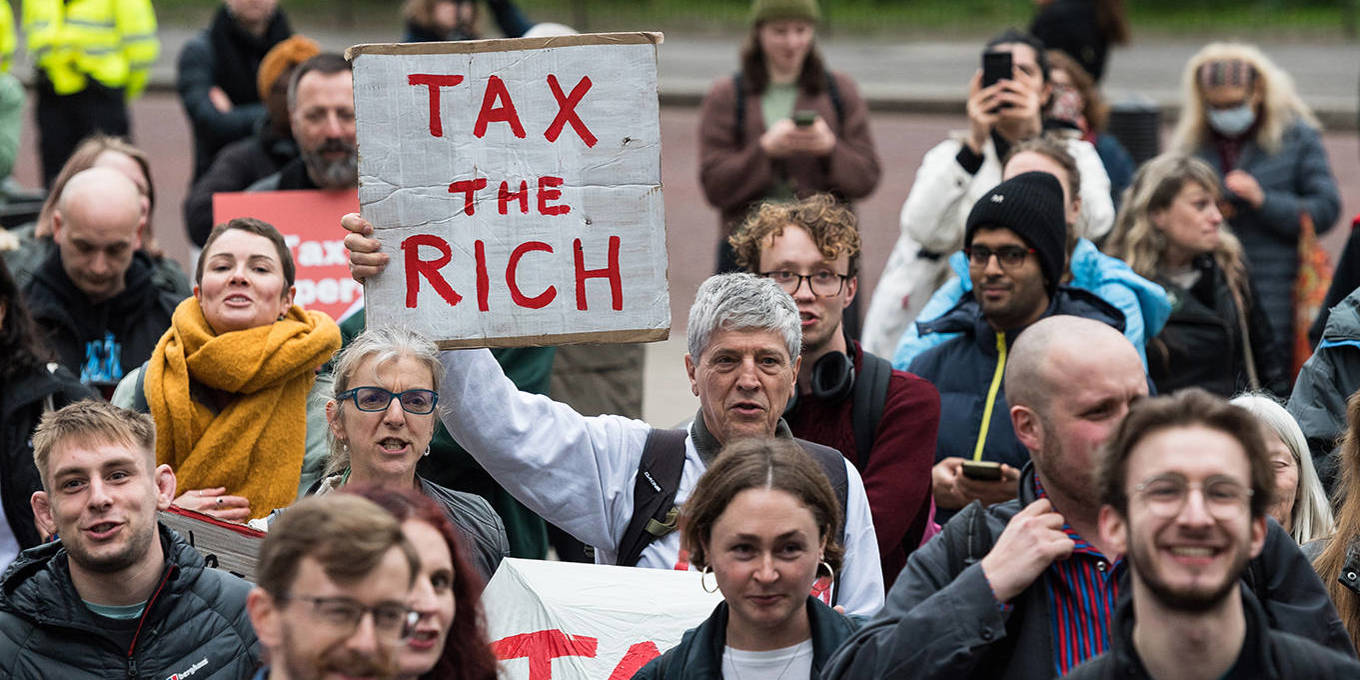
The wealth tax extreme wealth debate gained a new marker after SpaceX’s June IPO helped Elon Musk briefly become the world’s first trillionaire, according to Michael Madowitz, writing for Project Syndicate. Madowitz argued that the scale of Musk’s fortune underscores the democratic risks posed by concentrated dynastic wealth and strengthens the case for US lawmakers to revisit wealth-tax policy.
Madowitz cited a BBC report for Musk’s brief move past the $1 trillion threshold. He also cited Oxfam data saying Musk had become wealthier than the poorest 46% of the world’s population combined.
The political context is central to Madowitz’s argument. He wrote that Musk’s wealth has more than tripled since the 2024 US presidential election, when OpenSecrets data show he spent roughly $290 million backing Donald Trump’s candidacy. Madowitz noted that the sum was more than twice what Trump raised from small donors, citing OpenSecrets figures.
What did Madowitz say about taxing extreme wealth?
Madowitz said lawmakers who want to address the influence of dynastic wealth can draw on a larger body of research into wealth-tax design than was available during earlier international experiments. His position is that the policy case has changed because economists and tax experts have studied how to reduce avoidance, valuation problems and administrative weaknesses that affected some previous attempts.
A wealth tax is a levy on net assets rather than on annual income. In practice, such a tax would require rules for valuing holdings such as company stakes, real estate and financial assets, as well as enforcement systems aimed at limiting evasion or artificial shifts in ownership.
Madowitz framed the issue as a question of democratic resilience rather than only revenue. His column argued that the emergence of a trillionaire, combined with very large political spending by the same individual, shows how private fortunes can translate into electoral power at a scale difficult for ordinary donors to match.
The figures he cited also point to a widening gap between wealth accumulation and traditional campaign finance benchmarks. A $290 million political outlay from one donor, as reported by OpenSecrets, can exceed the aggregate contribution of many small donors, which are often treated in US politics as a measure of broad grassroots support.
Madowitz did not present a specific legislative proposal in the publicly available portion of his commentary. His argument was broader: that policy design has advanced enough for lawmakers to consider taxing extreme wealth as part of a response to concentrated economic and political power.
The debate is likely to draw attention from investors, tax advisers and policymakers because any move toward a federal wealth tax would raise questions about asset valuation, liquidity, constitutional limits and cross-border holdings. Madowitz’s intervention adds to a wider argument that tax systems built around income may not fully reach the largest fortunes when much of that wealth is held in appreciating assets.
This story draws on original reporting from Project Syndicate.