Hormuz reopening may not quickly reverse inflation shock, analysts say
A U.S.-Iran memorandum eased supply fears, but economists say energy, food and rate pressures from the Hormuz war will persist.
By Ingrid Halvorsen · Venture Capital Reporter
· 3 min read
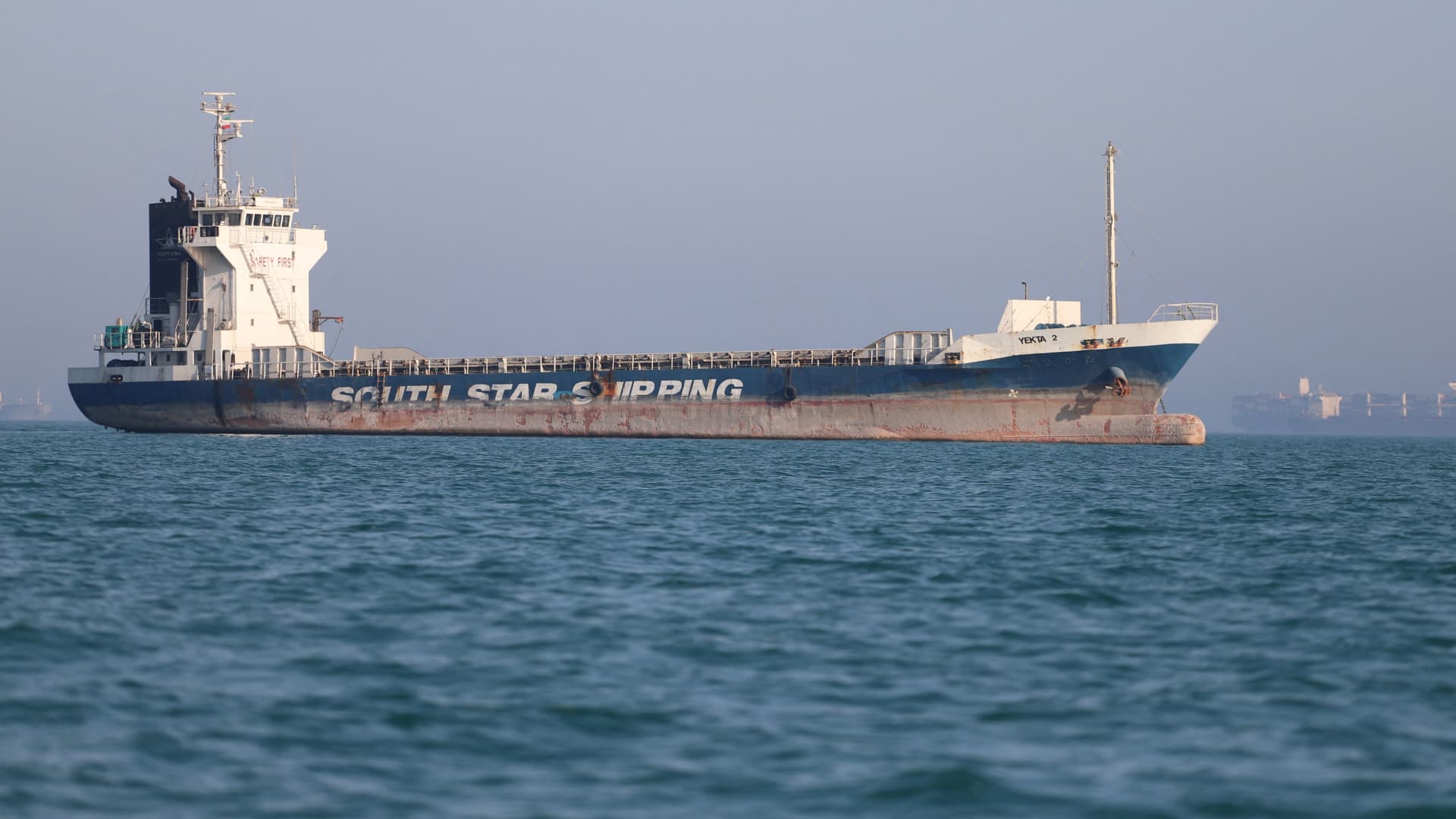
Early steps to reopen the Strait of Hormuz have reduced the immediate risk to global energy supplies, after a U.S.-Iran memorandum on Thursday ended nearly four months of war. Analysts said the economic effects remain likely to run through inflation, food costs and monetary policy for months, even as crude prices retreat.
The conflict disrupted energy supply chains, lifted inflation and weakened growth expectations, according to economists cited in recent notes and policy updates. Simon MacAdam, deputy chief global economist at Capital Economics, said higher inflation is already largely embedded in many economies because energy shocks take time to reach households and businesses.
MacAdam said in a note this week that higher energy and fertiliser costs can take many months to move through food supply chains before consumers see the full effect. He said household natural gas prices often follow wholesale market moves with a lag of roughly three months, which means a fall in upstream prices does not immediately lower bills.
Oil markets have reacted to the easing of the immediate supply threat. Crude prices fell to about $80 a barrel on Friday, from a March peak of $118 when the war was most intense. Goldman Sachs on Tuesday lowered its oil price outlook, saying Brent would average $80 in late 2026 and $75 in 2027, citing a quicker-than-expected recovery in Persian Gulf crude flows.
Shipping flows may still take time to settle. A backlog of vessels waiting to pass through the strait could slow the return to normal freight movements, while disruptions higher up the supply chain may continue to affect refined energy products and food production.
The World Bank last week cut its global growth forecast to 2.5%, which it said would be the slowest rate since the pandemic. It also projected global inflation at 4% this year, up from 3.3% in 2025, even if oil-flow disruptions ease in the coming weeks. The bank said fertiliser prices could rise as much as 38% this year as shortages of key Gulf inputs affect agricultural markets.
Europe faces added exposure because natural gas storage levels are historically low, according to MacAdam. He said inflation in Europe and Japan could rise by an additional 3 to 4 percentage points as U.S. liquefied natural gas export prices increase.
Central banks are already reflecting the shock in policy decisions and projections. The European Central Bank last week raised interest rates for the first time in almost three years. The Federal Reserve, led by Chairman Kevin Warsh, kept short-term rates unchanged on Wednesday, but raised its December forecast for personal consumption expenditures inflation to 3.6%, from 2.7% in March. Nine of 18 voting members expected at least one rate increase before year-end.
The Bank of England also left policy rates unchanged, while warning that even a prompt end to the conflict could leave delays in restoring energy production and transport. Alex Holmes, regional director at the Economist Intelligence Unit, said central banks that have become more hawkish are unlikely to reverse quickly while fuel prices and inflation remain elevated. He also said food inflation faces added pressure as a super El Niño threatens agricultural output, citing Reuters reporting.
The crisis has also led governments to reconsider energy security policy. Countries affected by the disruption are expected to build larger stockpiles, support domestic production and look for alternative supply routes to reduce reliance on one chokepoint.
Matteo Lanzafame, director at the Asian Development Bank, said at a virtual event Thursday: “Ensuring that everyone has a certain level of buffer in peaceful times would provide that cushion against even a global contingency.”
This story draws on original reporting from CNBC.