Hormuz shipping recovers after truce, but vessel attack slows confidence
Traffic through the Strait of Hormuz has risen since a U.S.-Iran truce, though a cargo ship strike and unclear routing rules are keeping risks elevated.
By Ingrid Halvorsen · Venture Capital Reporter
· 3 min read
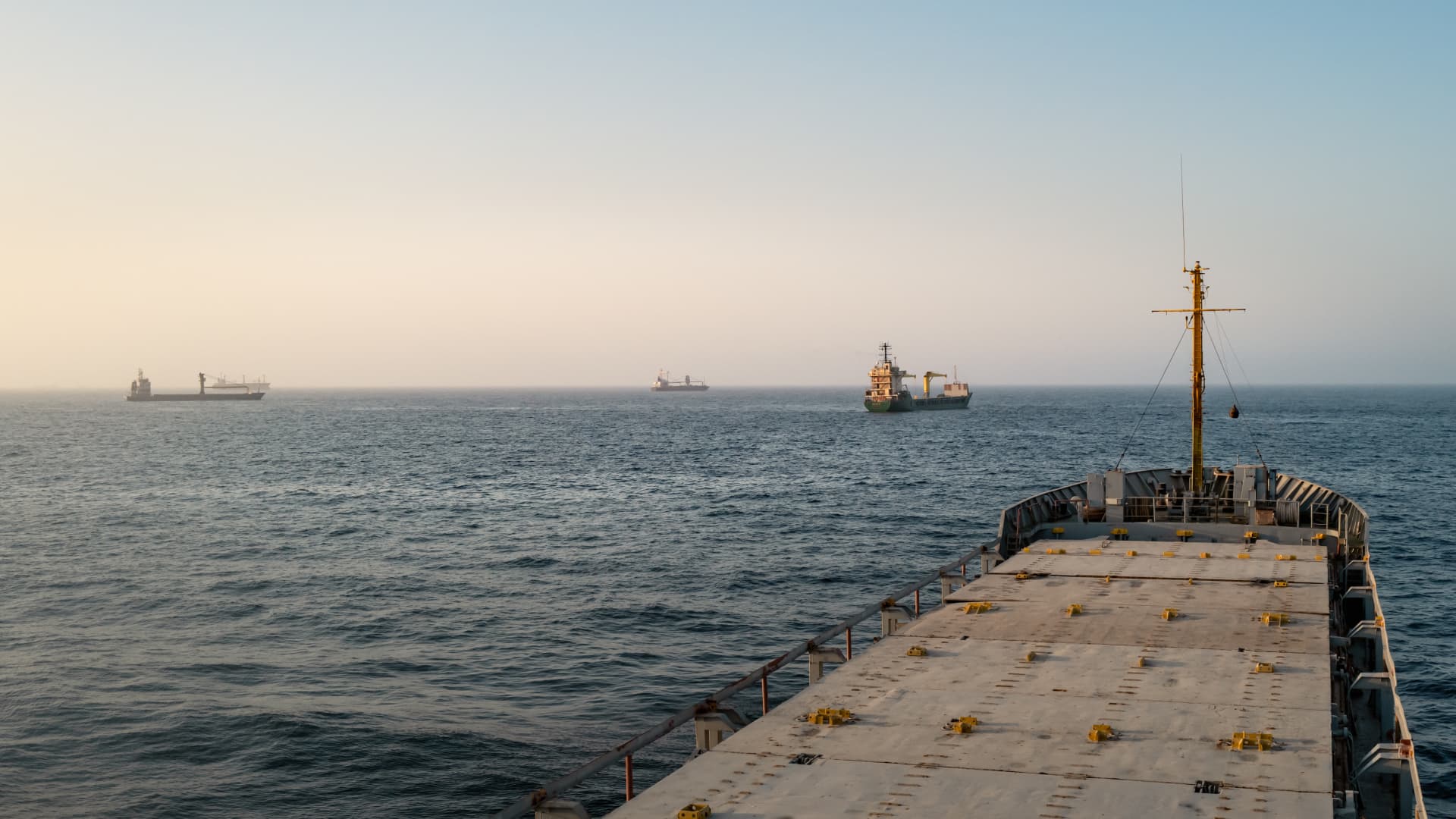
Commercial shipping through the Strait of Hormuz has begun to recover after the U.S. and Iran agreed to reopen the waterway, with 125 transits recorded from June 15 to June 21, the highest weekly figure since fighting began in late February. AXS Marine said 62 commercial vessels crossed on June 24, the strongest single-day count of the war, though that was still only 53% of traffic on the same date a year earlier.
The rebound remains exposed to security and insurance constraints after the Singapore-flagged Evergreen container ship Ever Lovely was hit on its starboard side by a projectile off Oman. A U.S. official said the Islamic Revolutionary Guard Corps carried out the strike, the first reported attack on a cargo vessel since the ceasefire took effect.
The incident interrupted a United Nations evacuation plan and prompted some tankers to reverse course, according to the report. It also sharpened a commercial dilemma for shipowners and cargo customers: resume transit through a critical energy corridor, or delay shipments while competitors accept the risk.
The Strait of Hormuz, between Oman and Iran, usually carries about one-fifth of global oil traffic. The passage was effectively constrained during the conflict, leaving tankers and cargo vessels waiting offshore and forcing some shipments onto alternative routes.
Competing routes raise operational risk
The mechanics of the reopening remain unsettled. Iran’s Islamic Revolutionary Guard Corps said ships must use a northern route and follow Iranian routing instructions. The U.S. and Oman support a southern corridor through Omani waters, with Oman issuing navigational guidance and the U.S. Navy providing oversight. The pre-war commercial lane remains closed because of mines.
That leaves operators weighing not only military risk, but also the legal and insurance treatment of any voyage. Tim Huxley, chief executive of Singapore-based Mandarin Shipping, said his company, which manages 50 vessels globally, has kept all of them out of the strait.
Huxley said uncertainty over mined areas, routing authority and military control is keeping many owners on the sidelines. He also said insurance costs for ships and cargo moving through the strait remain high, adding that clearer guidance on safe passage would be needed before many companies return.
Bruce Tan, a Singapore-based electronics manufacturer, said he had restarted some shipments to Middle East clients after holding back deliveries for four months. He said he is sending goods in smaller batches and using alternative corridors for some orders to reduce exposure to another closure.
Oil flows rise, with Saudi exports still limited
Aristidis Alafouzos, chief executive of Greece-based crude carrier operator Okeanis Eco Tankers Corp, told CNBC’s “Squawk Box Europe” that he did not expect the Ever Lovely incident to materially alter the recent increase in transits.
Alafouzos said crude passages had risen sharply, driven by exports of Kuwaiti and Emirati crude from the Gulf. He said Saudi shipments from inside the Arabian Gulf had not resumed in comparable volumes, with Saudi exports instead coming from Yanbu on the Red Sea.
Analysts and shipping executives are also watching whether tolls could be imposed and how sanctions might apply to whichever corridors remain open. Han Shen Lin, China country director at The Asia Group, said corporate boards are focused on insurability as much as cargo safety.
Han said war-risk premiums had risen from 0.05% to more than 0.7% of hull value per transit. He said a vessel seizure can affect cargo, client relationships, insurance renewals and board confidence, making speed less valuable if a voyage cannot be covered and completed safely.
This story draws on original reporting from CNBC.