Iran warns Hormuz vessels against routes not cleared by Tehran
The IRGC Navy said ships must use Iranian-designated corridors, keeping pressure on a key energy chokepoint despite a provisional U.S.-Iran reopening accord.
By Sarah Jenkins · Chief Macro Economics Correspondent
· 3 min read
Iran’s Islamic Revolutionary Guard Corps Navy has warned shipowners that any Strait of Hormuz passage route set without Tehran’s coordination is “unacceptable and dangerous,” according to Iranian local media cited by Iran International. The warning adds fresh uncertainty for energy and cargo flows through one of the world’s most important maritime chokepoints, where traffic remains well below prewar levels despite a provisional U.S.-Iran agreement to reopen the waterway.
The IRGC Navy said vessels may use only routes designated by Iran and must contact Iranian forces through a specified communications channel before crossing the strait, according to the report. Ships that sail outside those corridors could face enforcement action, the IRGC said.
The Strait of Hormuz links the Persian Gulf with the Gulf of Oman and wider global shipping lanes. For oil and gas markets, the operational question is whether tankers can move through the channel with predictable routing, insurance cover and port schedules. When authorities require specific corridors and advance contact, operators must weigh security instructions against legal, commercial and flag-state obligations.
The Iranian warning followed a Saturday advisory from a naval information group that proposed alternative corridors for vessels using the strait. The advisory asked shipowners to consider a southern route along Omani territorial waters and to keep transponder signals switched on. The notice said the southern route had been confirmed clear of mines and was the recommended path.
Vessel tracking points to a cautious return rather than a normal reopening. MarineTraffic said transits rose to 93 last weekend, triple the prior comparable period, but still far short of prewar activity, when more than 100 ships crossed the strait each day.
MarineTraffic also said it verified 31 crossings on Tuesday by commercial vessels and ships carrying energy cargoes. The company said operators were using a mix of Iranian, Omani and International Maritime Organization route patterns through the chokepoint, adding Thursday that shipping companies were still moving carefully rather than resuming ordinary traffic patterns.
U.S. sanctions and market concern
The U.S. Treasury in May sanctioned Iran’s Persian Gulf Strait Authority, describing the body as part of an effort to “extort global maritime trade.” Treasury Secretary Scott Bessent also said Washington would not tolerate a tolling system in the Strait of Hormuz and that the department would target parties involved, according to a public statement from Bessent.
The sanctions highlight the policy risk around any Iranian attempt to charge, direct or condition passage through the strait. In practice, tolling or mandatory clearance could affect voyage economics, compliance screening and insurance decisions for tanker owners, charterers and commodity traders.
Helima Croft, head of global commodity strategy at RBC Capital Markets, told clients in a Thursday note that prewar tanker flows through Hormuz may represent the high point for traffic for the foreseeable future. Croft wrote that if any end to the conflict leaves Iran with operational control and influence over the strait, RBC expects flows through the waterway to be “appreciably lower.”
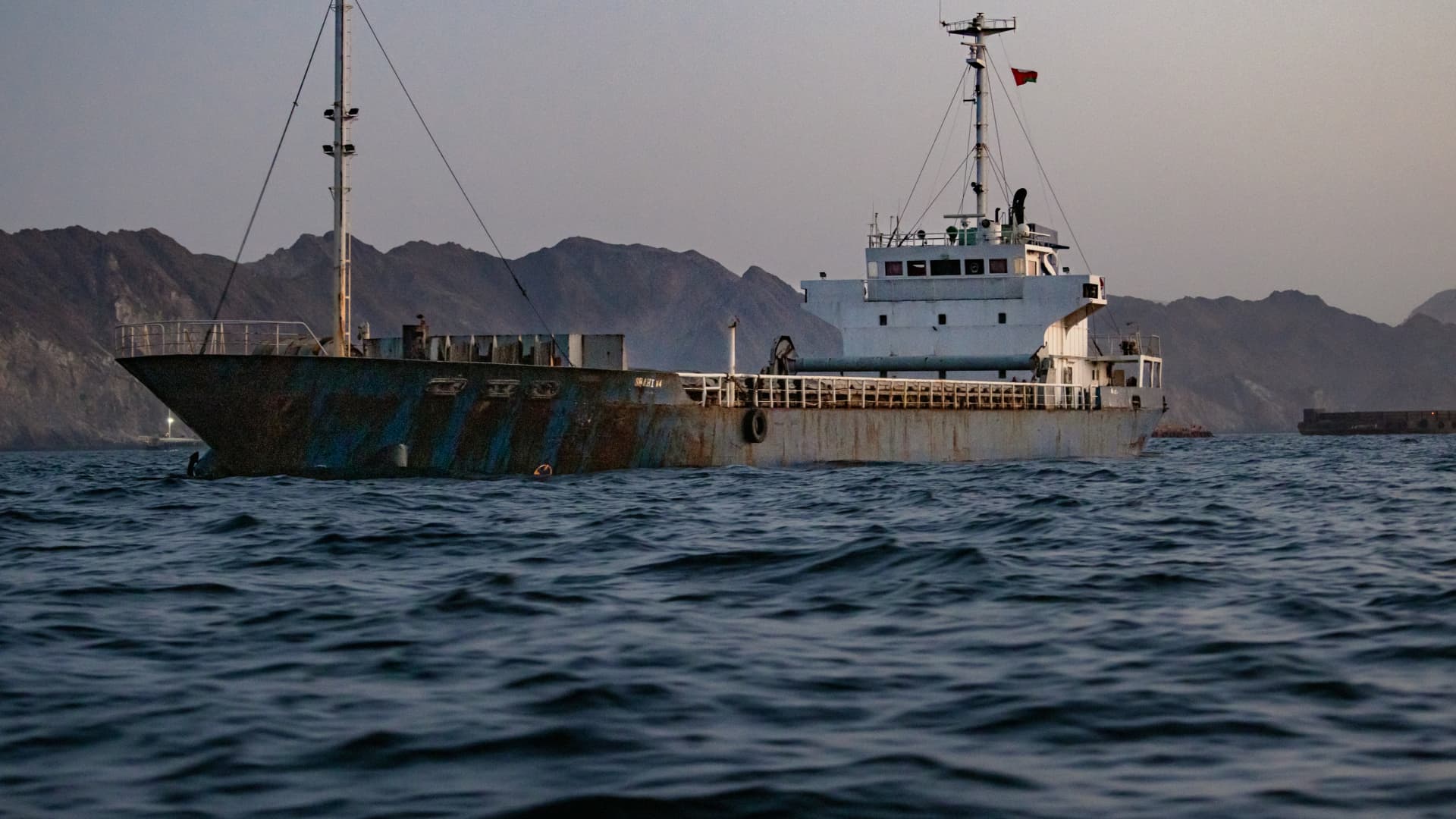
Oil tankers and cargo vessels had remained anchored off Port Sultan Qaboos in Muscat, Oman, on June 21, according to Getty Images. The waterway had been effectively blockaded since the outbreak of war between the United States and Iran in late February, and the pace of reopening remains uncertain amid continued fighting in Lebanon and unresolved security arrangements.
This story draws on original reporting from CNBC.