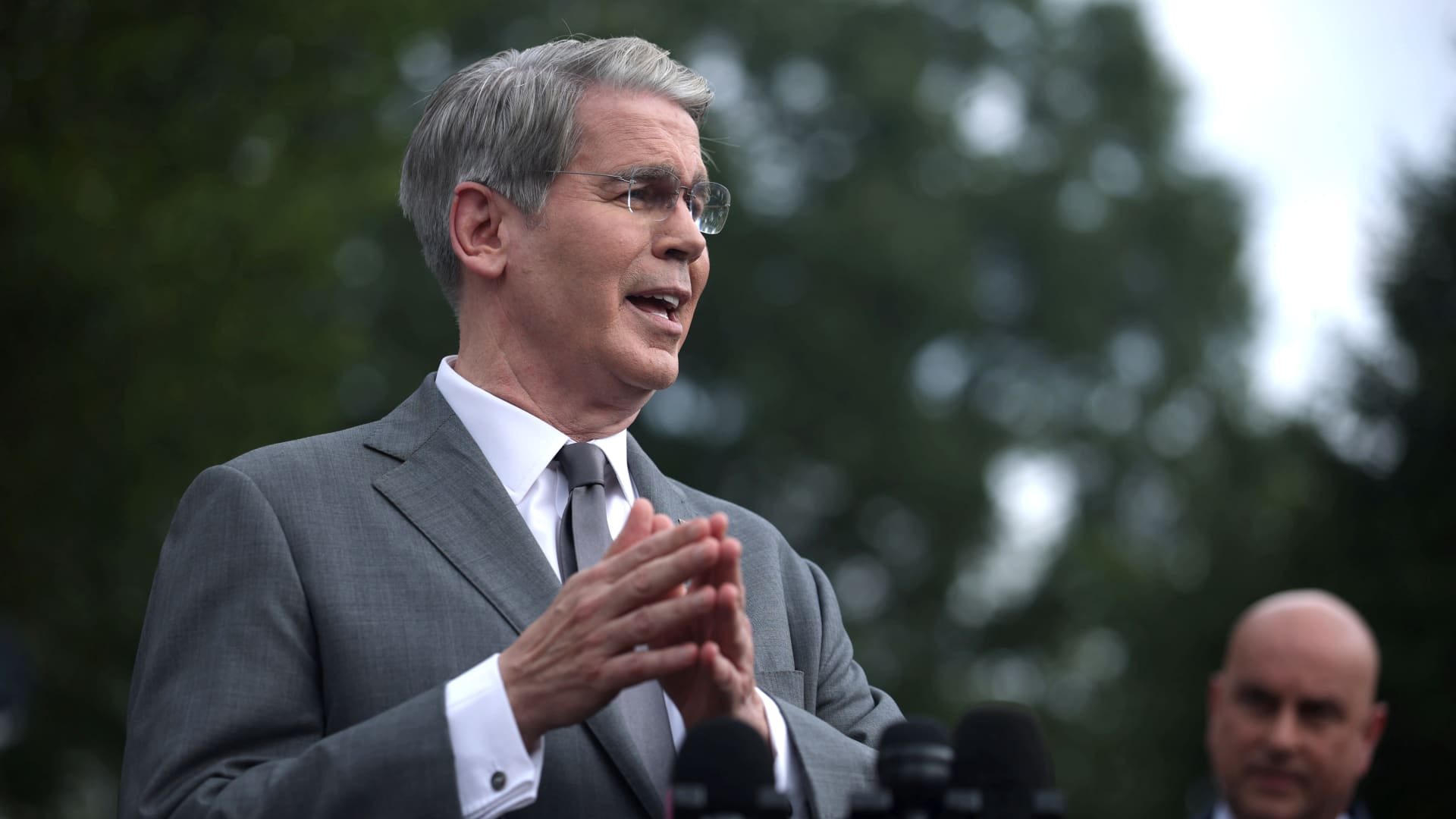
Kevin Warsh Jackson Hole remarks keep inflation concerns in focus
Fed Chair Kevin Warsh said better-than-expected summer readings had not shown meaningful improvement in underlying inflation trends.
By David L. Chen · Senior Columnist
· 3 min read
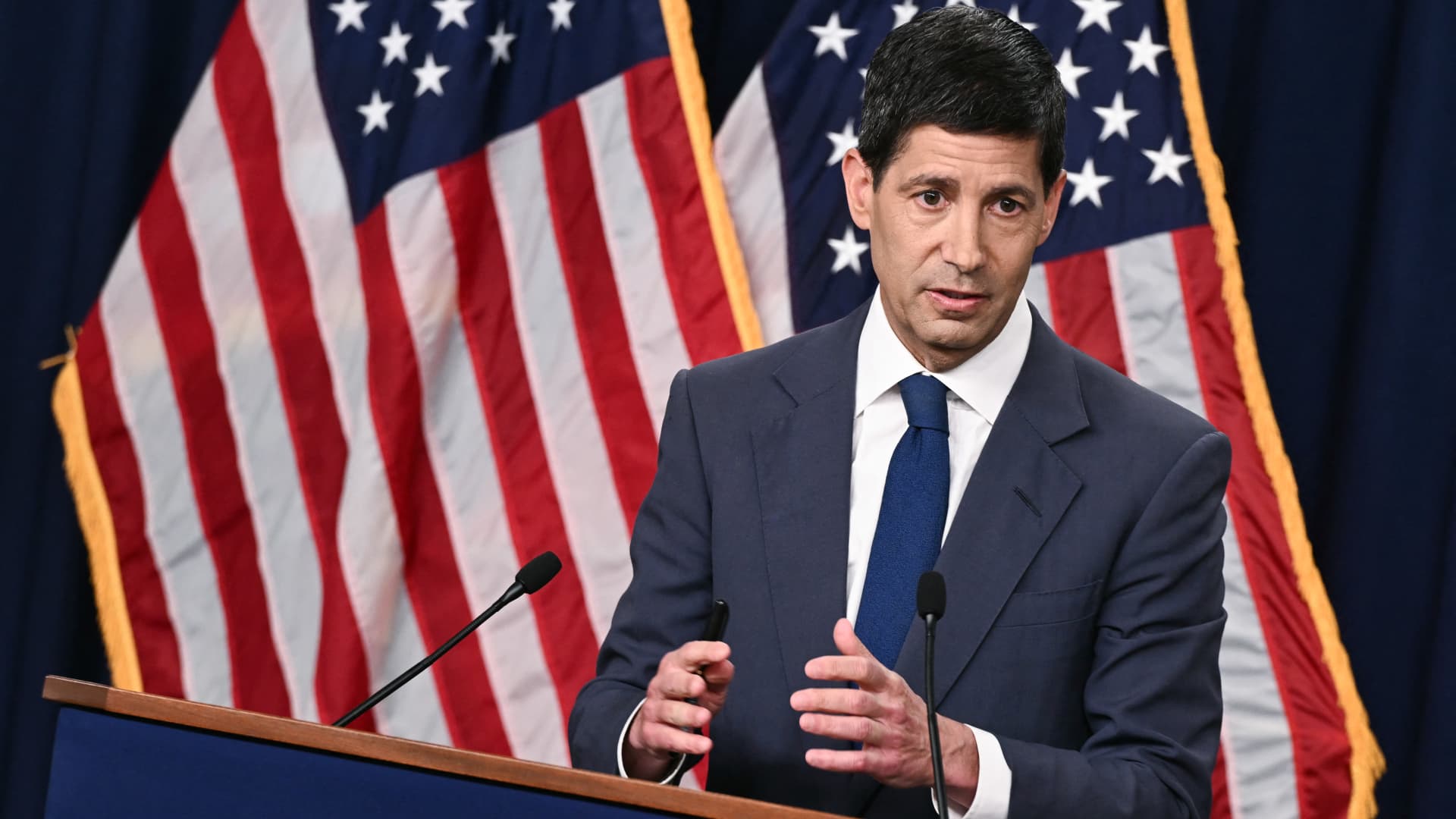
Federal Reserve Chair Kevin Warsh used his August 28 address at the Kansas City Fed’s Jackson Hole symposium to say that better-than-expected summer inflation readings had not persuaded him that underlying trends had improved meaningfully. The Kevin Warsh Jackson Hole inflation remarks did not announce an interest-rate change or set out conditions for a future move, leaving the policy outlook unspecified.
In the speech, titled “In Our Time,” Warsh said the Federal Reserve needed confidence that underlying inflation was returning to its objective “clearly and at sufficient speed.” Otherwise, he said, “we have work to do.” The Fed’s objective is price stability alongside full employment; inflation measures track changes in prices across weighted baskets of goods and services.
Warsh’s comments paired a guarded view of price pressures with a proposed change in how the central bank communicates with markets. He opposed routine forward guidance, which CNBC described as verbal cues about the Fed’s intentions, and avoided committing to a monetary-policy reaction function.
What did Kevin Warsh say about interest rates at Jackson Hole?
Warsh did not signal a specific interest-rate decision or a preset path for rates. He said he was committed to a discipline rather than a decision, according to CNBC, while arguing that communication about future policy should serve the goal of making sound monetary policy rather than stand as an objective by itself.
The distinction is material for markets. A reaction function would identify the economic signals likely to lead policymakers to adjust rates. By declining to offer one, Warsh left the timing and conditions of any future action open.
A case for less market-focused communication
Warsh called for a “quieter Fed, more purposeful in its communications.” In the official text of his remarks, he said he had long been uncomfortable with early pronouncements of future policy decisions and wanted to change the form and function of the chair’s forward guidance.
He also said the central bank should not foster a system in which market participants look primarily to the Fed for their next trade. The remarks marked Warsh’s 100th day as chair, according to the Federal Reserve’s published transcript.
Markets nevertheless moved after the speech. CNBC reported that stock indexes rose and the two-year Treasury yield increased by nearly 8 basis points to 4.31%, its highest level since late July. CME Group’s FedWatch tool put the market-implied probability of a September rate increase at 55.7%, about 20 percentage points higher than the previous day. Those figures reflected investor pricing, not a commitment by the Fed.
Warsh also expressed confidence in the broader economy, which he said appeared to have strengthened. He cited artificial intelligence as a potential source of higher growth, while saying task-force work on AI-related issues would not affect decisions in the current policy setting.
This story draws on original reporting from CNBC.