NY Fed researchers link 2.9 points of goods inflation to tariffs
A New York Fed estimate says tariffs raised inflation in a 67-category goods sample, while leaving broader U.S. inflation outside its scope.
By David L. Chen · Senior Columnist
· 3 min read
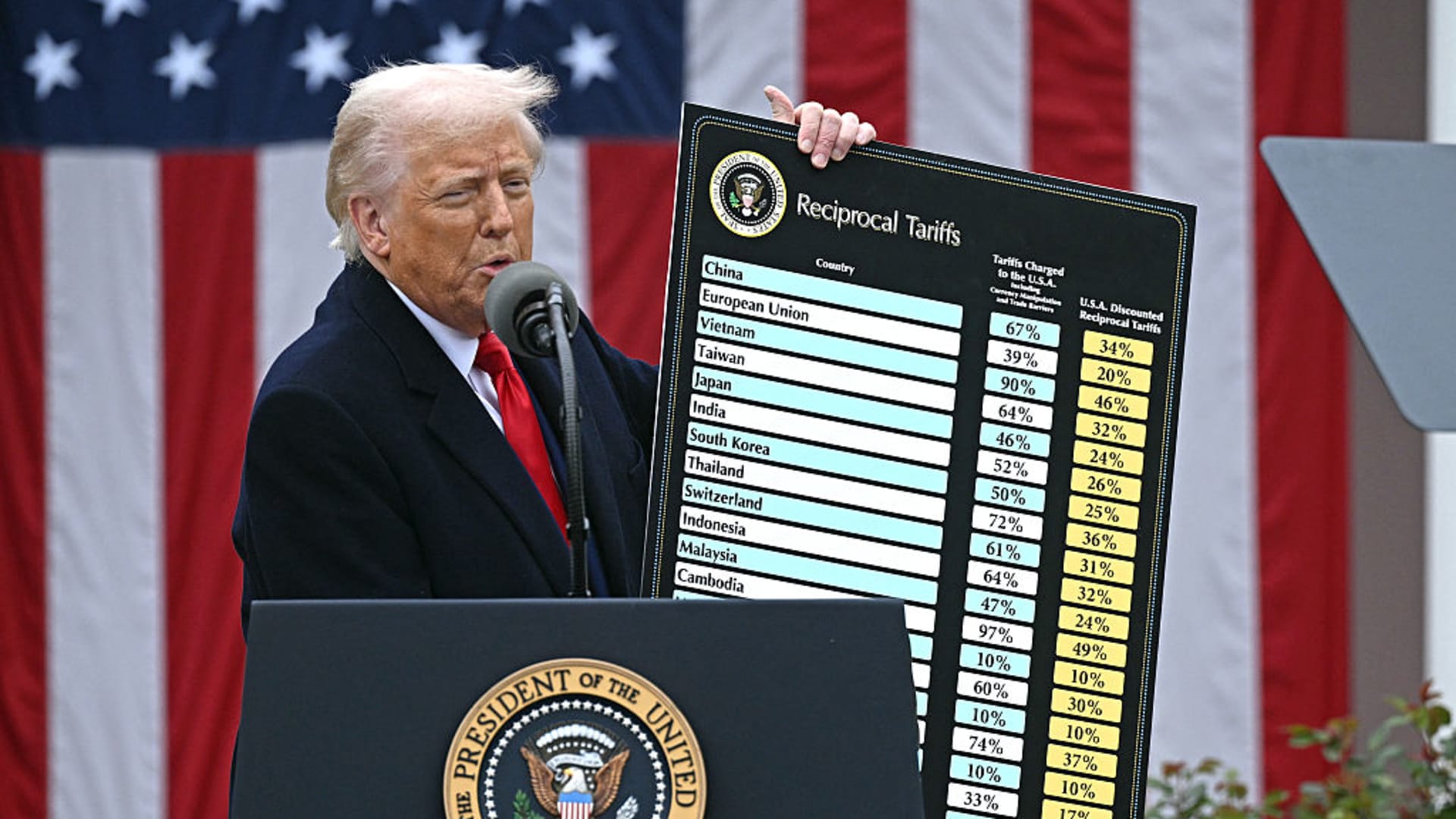
New York Fed researchers estimate that tariffs imposed since January 2025 added 2.9 percentage points to annual inflation in a weighted sample of 67 non-oil consumer-goods categories by February 2026. The NY Fed tariffs inflation estimate, reported by CNBC, indicates that prices in the selected categories would instead have fallen by almost 1% without the levies.
The finding does not mean tariffs explain all U.S. inflation, every household purchase or services prices. It is a model-based comparison between observed prices in a defined goods basket and the researchers’ estimate of prices absent the tariffs. The researchers did not identify the 67 categories, CNBC reported.
What did the New York Fed find about tariffs and inflation?
The 2.9-percentage-point figure concerns inflation in the studied non-oil goods categories, rather than the overall consumer price index or total personal consumption expenditures. A weighted inflation measure reflects the basket included and the share assigned to each category, as explained in how inflation is measured.
CNBC reported that the New York Fed team estimated that each one-percentage-point rise in the average tariff raises consumer-goods prices by about 0.25% after a year. The results therefore capture a delayed pass-through process rather than an immediate one-off rise at the border.
A tariff is paid when goods enter the country, but its economic effects can spread through retail prices and domestic supply chains. According to CNBC’s account of the research, about two-thirds of the estimated price effect came directly from tariffs. The rest reflected higher costs for imported components and materials, as well as pricing changes by domestic producers when imported competition becomes less intense.
Axios reported that price effects on U.S.-made goods grow between six and 12 months after tariff changes, and that such goods represented about one-third of the overall estimated price increase. These are model estimates, not direct observations that attribute the price of each item on a shop shelf to tariffs.
How does this compare with broader inflation measures?
A separate Federal Reserve Board note, published in April, reached a related but differently defined result. Its authors estimated that tariffs implemented through November 2025 had raised core-goods PCE prices by 3.1% through February 2026. They said that accounted for the excess inflation in core goods relative to pre-pandemic rates and added 0.8 percentage point to core PCE prices overall.
The two estimates should not be combined. The New York Fed result reported by CNBC covers a 67-category non-oil consumer-goods sample, while the Federal Reserve Board analysis covers core-goods PCE. Neither establishes that tariffs were responsible for all inflation across the economy, particularly in services.
Earlier New York Fed research estimated that nearly 90% of the economic burden of 2025 tariffs fell on U.S. companies and consumers, using import data through November 2025. That measure concerns who bears tariff costs, rather than the later estimate of consumer-price inflation.
This story draws on original reporting from CNBC.