US grants 60-day Iran oil waiver as buyers weigh dollar trades
The Treasury license allows Iranian oil and petrochemical sales in dollars through Aug. 21, potentially releasing stranded crude and new revenue for Tehran.
By David L. Chen · Senior Columnist
· 3 min read
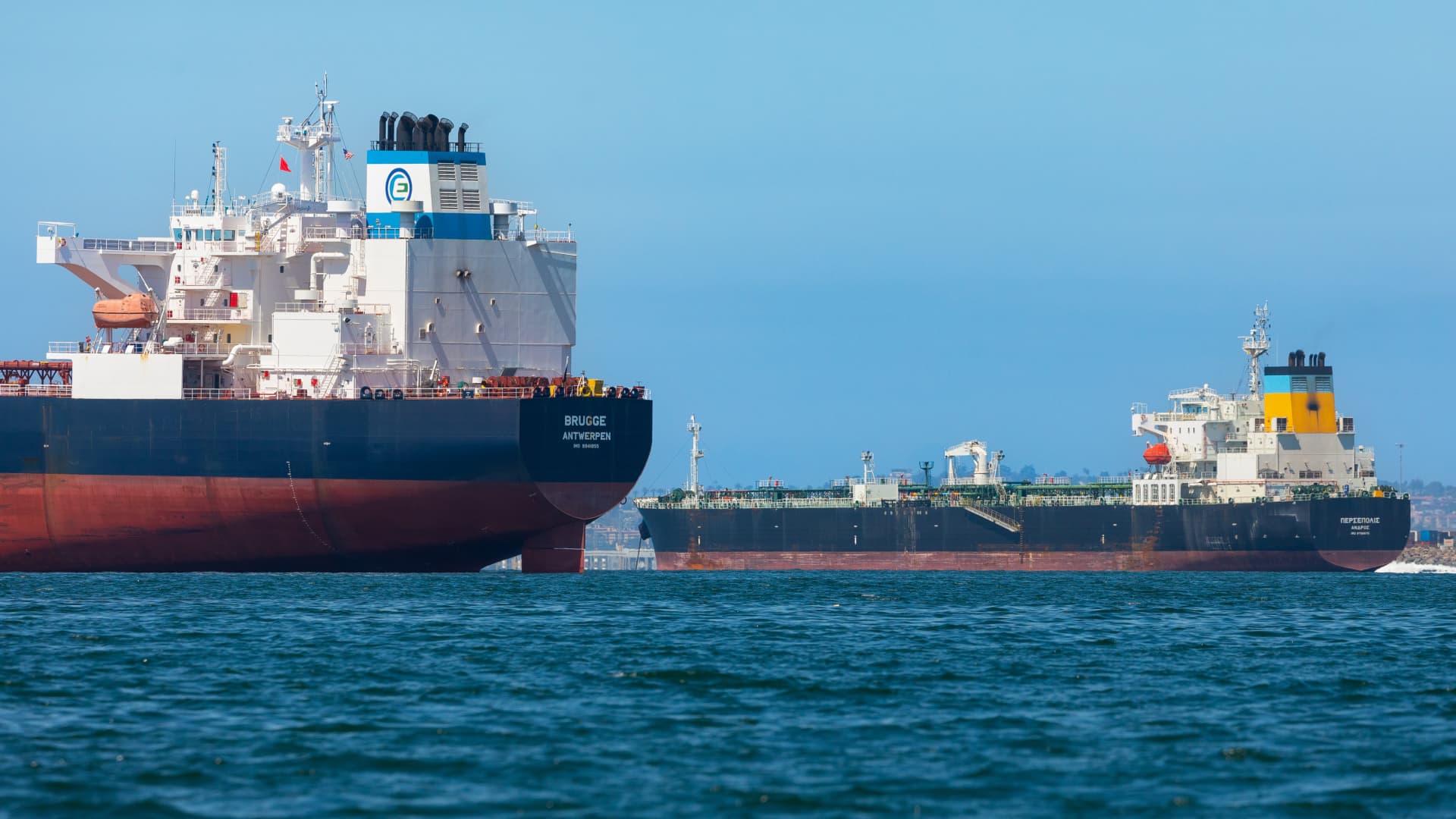
The U.S. Treasury has authorized a broad 60-day waiver for Iranian oil and petrochemical transactions, allowing sales in U.S. dollars through Aug. 21 and easing restrictions on shipping and related entities. Analysts said the measure could release about 67 million barrels of Iranian crude held offshore in the Gulf and produce an $8 billion to $9 billion revenue gain for Tehran.
The authorization, issued Monday as General License X, permits Iran to produce and sell crude oil, petroleum products and petrochemicals using dollar-denominated payment channels. It also clears transactions involving vessels and parties that had been subject to U.S. sanctions, according to the Treasury document.
The action follows a memorandum of understanding signed last week between Washington and Tehran and comes after talks in Switzerland that concluded Monday. Those negotiations have made progress toward a final agreement, according to CNBC.
How the waiver changes oil flows
Sanctions had forced many Iranian oil transactions into indirect payment systems, often involving intermediaries and higher compliance and financing costs. By authorizing dollar clearing, the license allows proceeds to move more directly to Iran’s central bank, reducing a major constraint on trade volumes.
Miad Maleki, a former Treasury sanctions official and now a senior fellow at the Foundation for Defense of Democracies, said the waiver activates several parts of the oil trade at the same time, including production, sales, dollar payments, petrochemicals and shipping protection. He described it as a reopening of Iran’s most important source of revenue.
The waiver also creates a legal path that could allow U.S. imports of Iranian crude, although that trade has been minimal for decades. U.S. Energy Information Administration data show imports effectively fell away in the 1990s as sanctions tightened.
President Donald Trump defended the easing of sanctions Monday, saying any oil proceeds were intended to help Iran buy American agricultural products rather than rebuild its military, according to CNBC.
China demand in focus
Chinese refiners are expected to be central to the market response. China buys roughly 90% of Iran’s crude exports, with independent refiners, known as teapots, accounting for much of that demand.
Maleki said Chinese buyers could step up purchases now that dollar clearing has been authorized. He said both state-owned refiners and independent plants have easier access to banking channels they previously had to avoid because of exposure to secondary U.S. sanctions.
JPMorgan said China’s crude imports fell by 4.8 million barrels per day between February and May, a sharper decline than the 4 million barrel-per-day fall recorded during the second half of 2020. The waiver arrives as some buyers may look to rebuild inventories before the exemption expires in August.
Signs of an immediate increase have not yet appeared, according to Muyu Xu, senior oil analyst at Kpler. Xu said buyers are reviewing the authorization and running internal compliance checks, especially firms that had not recently handled Iranian crude. She added that interest from Chinese buyers is likely to rise, while actual purchases will depend on price and available cargoes.
Iranian exports had already risen during the negotiations. Maritime intelligence firm Windward said Iran shipped 6.79 million barrels last week, the highest level in two months.
Brett Erickson, managing principal at Obsidian Risk Advisors, said Iranian crude, which has usually sold at a discount to international benchmarks, could move above Brent if demand tightens. Michael Feller, chief strategist at Geopolitical Strategy, said Iran is likely to use the 60-day period to repair war-damaged oil infrastructure and pursue longer-term supply contracts with Chinese buyers.
This story draws on original reporting from CNBC.