Airlines stretch Europe schedules as heat and crowds shift demand
U.S. carriers are adding Europe flights beyond summer as travelers seek cooler, cheaper periods and fuel costs pressure airline margins.
By Marcus V. Thorne · Markets Editor
· 4 min read

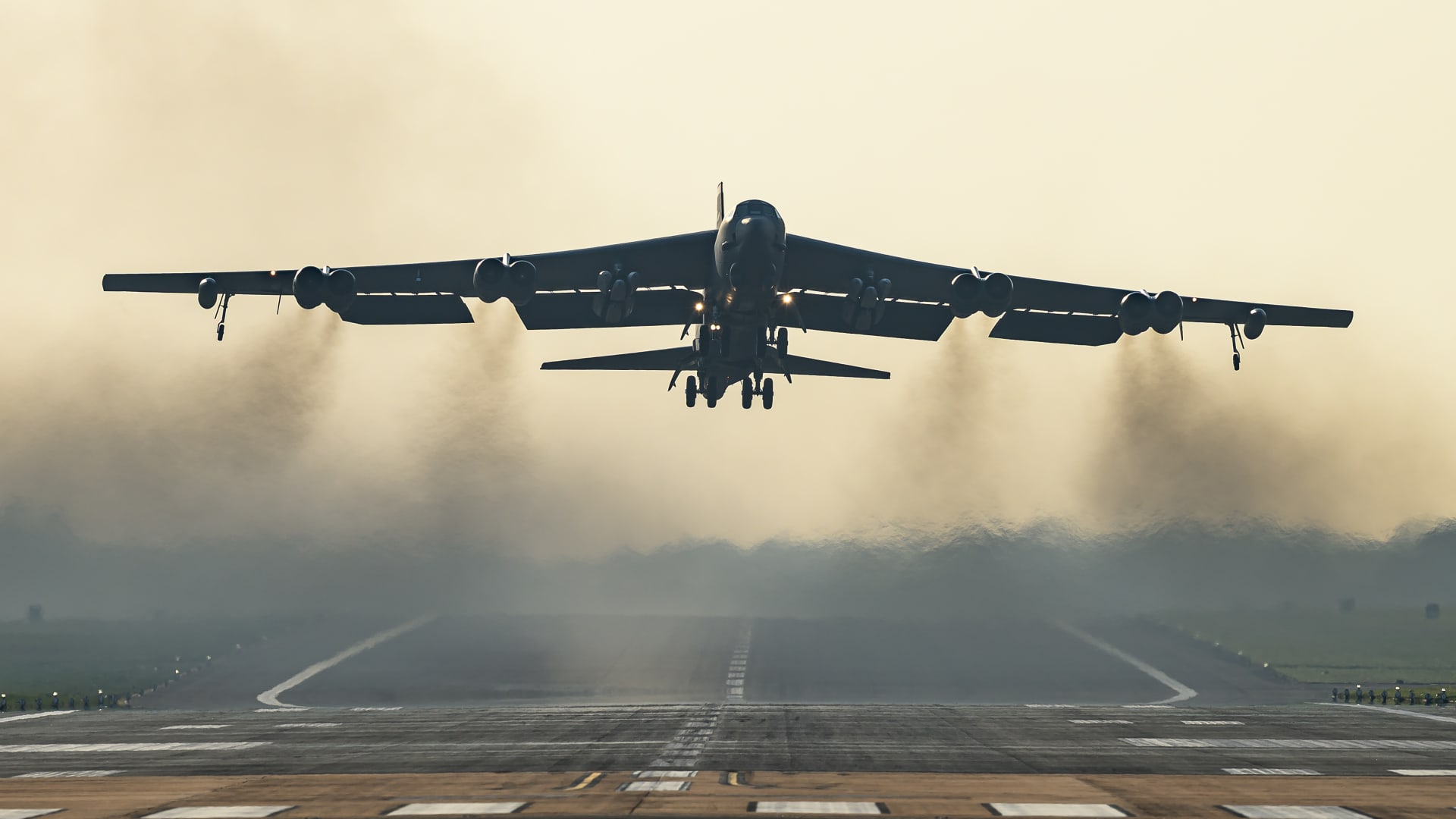
U.S. airlines are extending trans-Atlantic schedules into autumn and winter as more travelers avoid Europe’s hottest, busiest and most expensive summer weeks. The shift gives carriers another way to fill high-yield international seats as the International Air Transport Association estimates higher jet fuel costs will cut industry profits by $100 billion this year.
Routes that once centered on late spring through late summer now start earlier and finish later, and some are edging toward year-round service. American Airlines began its New York to Edinburgh, Scotland, flight in March. United Airlines plans to keep its Newark, New Jersey, to Palermo, Sicily, nonstop operating until December. Delta Air Lines will run Minneapolis to Rome service into January, later than in prior years.
The commercial incentive is clear. Long-haul Europe flights typically use widebody aircraft with more premium cabins, including lie-flat business-class seats. On some routes, round-trip business fares can reach $10,000, compared with less than half that on domestic trips, according to CNBC.
Airlines have raised fares this year as they try to recover part of the increase in operating costs. Prices are showing some moderation, however. Kayak data cited by CNBC showed U.S. to Athens round trips at $988 on June 22, compared with $810 a year earlier and $1,350 two months before.
Seasonal patterns are flattening
Delta President Peter Carter told CNBC that international leisure demand is less concentrated than it used to be. He said Europe offers enough year-round travel options to support demand outside the traditional peak months.
United’s network planning chief, Patrick Quayle, described a broad extension of shoulder-season travel, saying the period between peak and off-peak months is increasingly merging with the main season. Shoulder season refers to the weeks between a destination’s busiest tourism period and its slowest period.
The shift is changing airline operations as well as sales. Jeff Arinder, Delta’s vice president of international network planning, told CNBC the carrier is doing more maintenance during summer than it used to, because it wants aircraft available for autumn demand. He said Delta is trying to smooth out its seasonal swings.
Investor sentiment toward the sector has strengthened despite the fuel pressure. CNBC reported that shares of Delta and United recently reached records, while American touched an 18-month high. Delta is due to start the second-quarter airline reporting period on Friday, with carriers also expected to update investors on the third quarter.
Heat, crowding and work flexibility reshape demand
Europe’s latest summer heat wave has added pressure to the old travel calendar. In late June, record temperatures affected residents and tourists across the region, where air conditioning is less common than in the United States. Cooling measures included misting stations from Warsaw to Rome, while Paris postponed its LGBTQ+ Pride march and briefly restricted public alcohol consumption.
Overcrowding has also become a more visible political and social issue in destinations including Barcelona and Venice, as European countries receive record visitor numbers. At the same time, flexible work arrangements are allowing some families to travel outside the school-heavy summer window. Arinder said Delta’s core customer base tends to be older and wealthier, giving it more schedule flexibility.
Sicily tests the winter case
United’s Newark to Palermo route shows how far carriers are prepared to test the model. The airline extended the Boeing 767 service through Dec. 16, instead of ending it in September, with three flights a week.
Sicily has traditionally been sold as a summer destination, with July coastal highs often around 90 degrees Fahrenheit and little rain. December is cooler and wetter, and some coastal hotels close for part of the winter. The Four Seasons’ San Domenico Palace in Taormina, featured in the second season of HBO’s “White Lotus,” closes from mid-November until early spring.
Imelda Shllaku, the hotel’s manager, told CNBC by email that bookings from U.S. guests in March, April, October and November have risen markedly over the past four years. The hotel is scheduled to reopen March 1, according to a spokeswoman.
Delta is also lengthening Sicily service. Its New York JFK to Catania route is planned to run through Jan. 3, compared with Oct. 24 last year, and resume on March 8, 2027.
This story draws on original reporting from CNBC.