Ball Corp options trade draws attention before August results
CNBC highlighted Ball Corp’s cash flow, debt reduction efforts and subdued earnings moves as context for an August put-selling trade.
By Amanda Ross · Deals Correspondent
· 3 min read
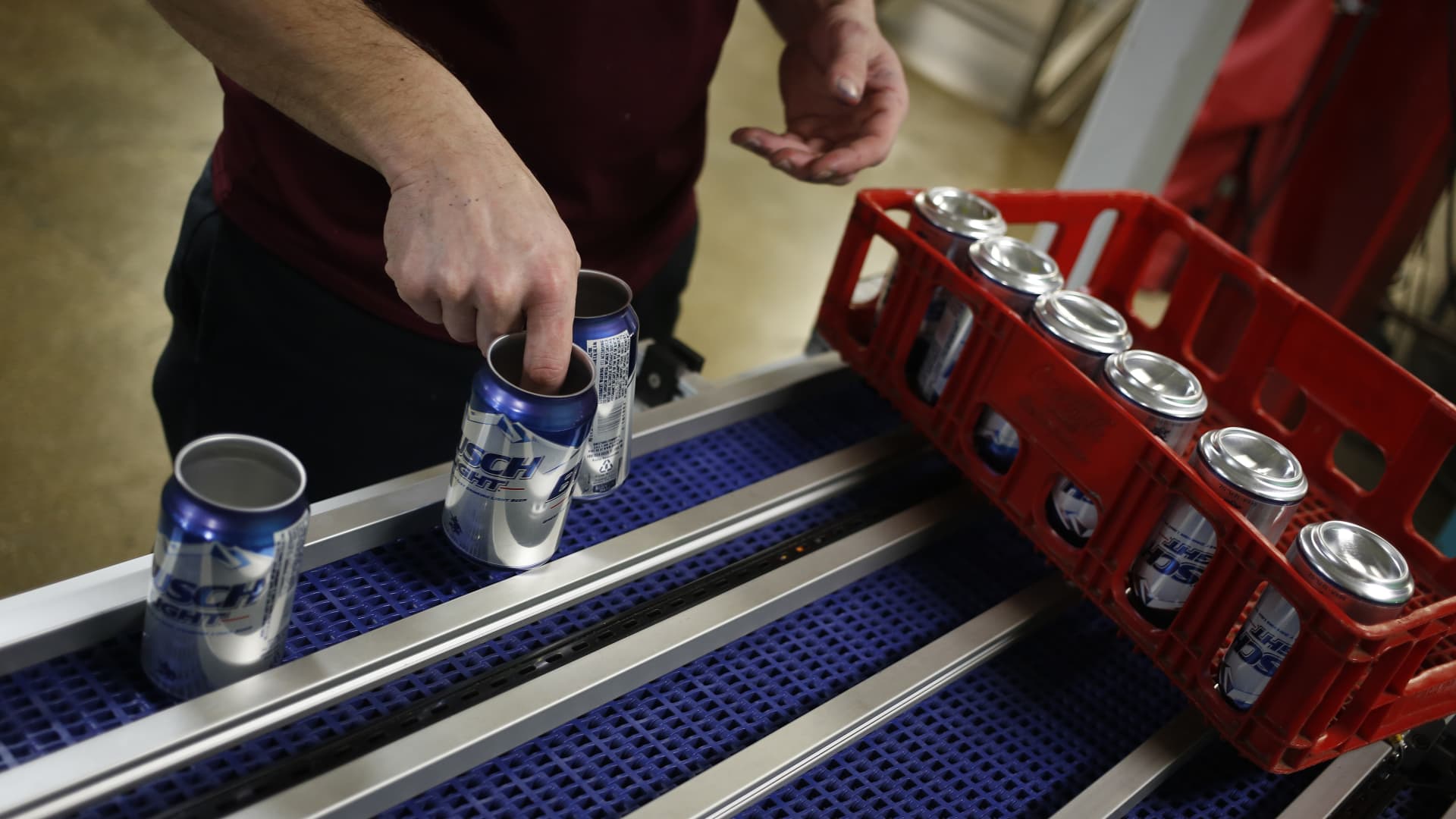
Ball Corp shares were quoted at $62.72, up 0.27%, at midday Wednesday, as CNBC’s Options Action highlighted the packaging company ahead of earnings expected in the first week of August. The segment focused on Ball’s improving cash flow profile, management’s emphasis on lowering leverage and an options structure tied to the company’s historically contained post-results share moves.
Ball is best known to consumers through the aluminum cans and other containers used by beverage brands, including soft drinks, beer and energy drinks. CNBC said the company’s packaging also appears in personal care, cooking and cleaning products, giving it exposure to routine consumer purchases across multiple categories and regions.
The investment case presented by CNBC centred on an operational shift rather than a near-term demand surge. The network said Ball is benefiting from better cash generation and a refreshed management team focused on capital discipline and debt reduction. Ball’s debt is not rated investment grade by Moody’s or S&P, according to CNBC, making leverage reduction relevant for both credit costs and equity risk.
CNBC said management’s commitments on balance-sheet repair could, if delivered, support future rating agency upgrades. A higher credit rating can reduce borrowing costs because lenders generally demand less compensation from issuers viewed as lower risk. It can also affect equity volatility, since weaker credit profiles may amplify investor concerns during periods of slower growth or tighter financing conditions.
Estimates and earnings backdrop
CNBC cited fiscal 2027 estimates pointing to a free cash flow yield above 4%. The report also cited a forward price-to-earnings multiple of about 14 times adjusted earnings per share of $4.52.
Analysts cited by CNBC expect modest revenue growth broadly in line with the economy, along with year-over-year expansion in operating margins and net income. Those estimates remain forecasts and are subject to revision as Ball reports results and updates its outlook.
The company is due to report earnings in the first week of August, according to CNBC. The network said Ball has typically moved by a mid-single-digit percentage on earnings days, while the average historical move one month after earnings has been below 8%. CNBC linked that pattern to the relatively steady demand profile of the categories Ball serves.
Put-selling structure discussed
CNBC described a cash-secured put strategy using Ball’s August $60 strike puts. In that structure, the put seller receives an option premium and accepts the obligation to buy the shares at the strike price if assigned. The cash-secured form assumes enough capital is set aside to purchase the shares if that obligation is triggered.
The trade discussed by CNBC involved selling the August $60 put for $1.20 per contract. On standard U.S. equity options, one contract typically represents 100 shares, making the stated maximum gain $120 before costs. CNBC calculated the breakeven at $58.80 per share, which reflects the $60 strike less the $1.20 premium received.
CNBC also listed the maximum loss as $5,880 and classified the trade as advanced. The loss figure reflects the risk that the stock could fall sharply after assignment, offset only by the premium received. The network also noted that selling the put would tie up a large amount of margin or cash in an account.
This story draws on original reporting from CNBC.


