Meta prices Muse Spark 1.1 API as it targets AI coding demand
Meta is opening paid access to Muse Spark 1.1, a coding-focused AI model, as it seeks traction against OpenAI, Anthropic and Google.
By Marcus V. Thorne · Markets Editor
· 3 min read
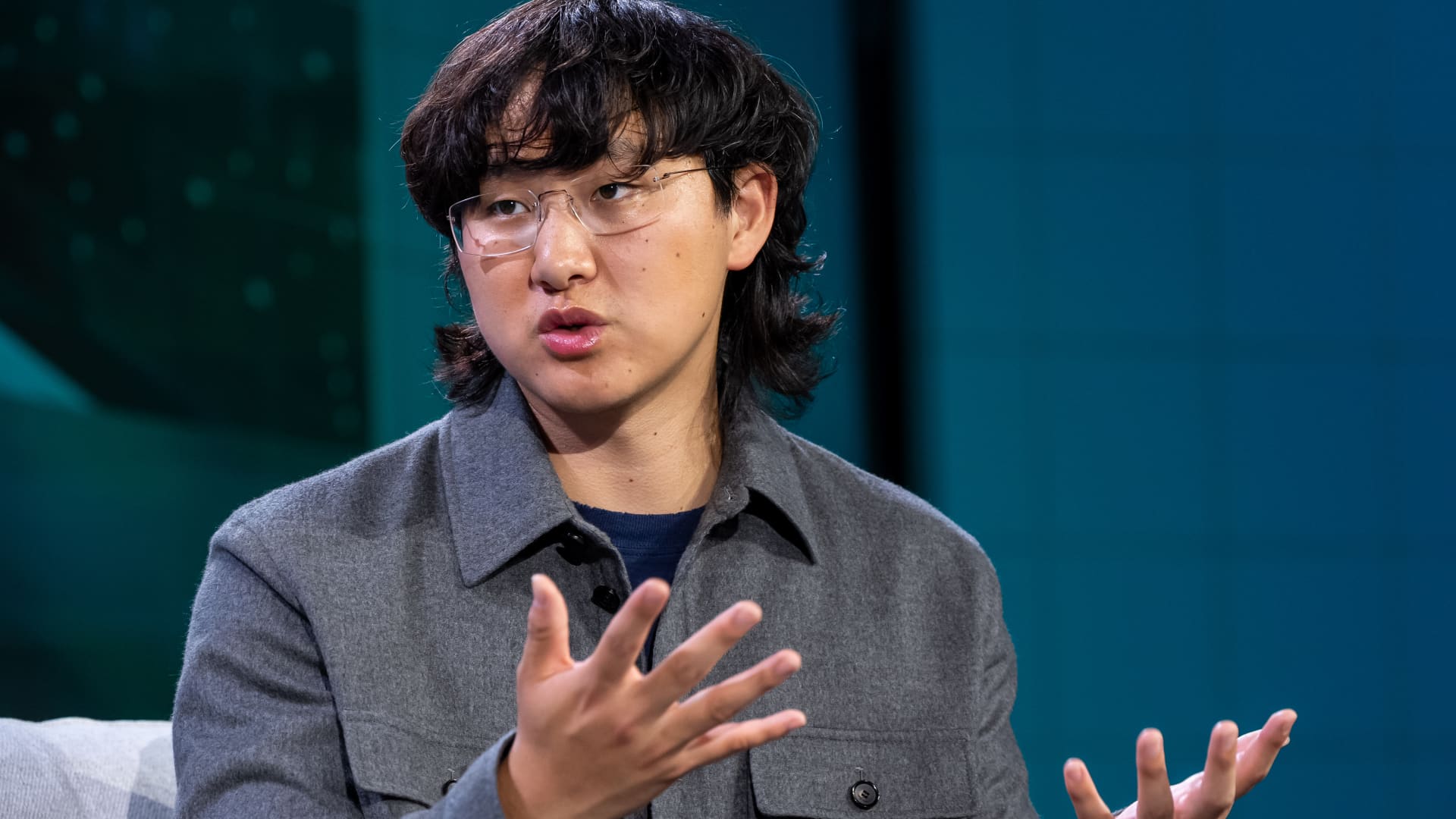
Meta is expanding its push into commercial artificial intelligence with Muse Spark 1.1, a coding-focused model that the company says will be available through a developer portal in public preview. CNBC reported that Meta will charge $1.25 per million input tokens and $4.25 per million output tokens, with $20 in starting credits for each new API account.
The rollout moves Meta further into a market where developers pay by usage to connect applications to AI models through an application programming interface, or API. In that structure, input tokens represent the text or code sent to the model, while output tokens represent the model’s response. Pricing can determine whether developers use a model frequently for software engineering tasks, agent workflows and commercial applications.
Alexandr Wang, Meta’s chief AI officer, told CNBC that the price was “very aggressive and attractive” relative to comparable products from companies including Anthropic and OpenAI. He described Muse Spark 1.1 as Meta’s strongest model so far for coding and agentic work.
The model is the first broad opening of the Muse Spark line after the initial version, released in April, was limited to selected partners through a private API preview, according to CNBC. A Meta spokesperson told CNBC that some early partners already have access to the new API and that new users will be able to join a waitlist, with access added over time.
Meta is keeping access inside its own properties for now, CNBC reported, rather than distributing the model through third-party venues such as OpenRouter. Wang said the service will run on computing infrastructure Meta has built.
Shift toward paid proprietary models
The launch marks another step away from Meta’s earlier emphasis on releasing AI systems to the open-source community through its Llama family. CNBC reported that Meta is now focusing more directly on selling access to proprietary models, even as Wang said the company remains committed to open source.
Wang told CNBC that Meta Superintelligence Labs, the unit he leads, is developing a version of Muse Spark that the company intends to release as open source. He did not provide a timing for that release.
The commercial push comes as Chief Executive Mark Zuckerberg faces investor scrutiny over Meta’s large AI infrastructure and development spending. CNBC reported that Meta is investing at a pace comparable with major hyperscalers but does not yet operate a cloud infrastructure business, though it plans to start one. The company has also trailed OpenAI, Anthropic and Google in the development of widely used AI models and applications, according to CNBC.
Meta’s Muse activity has accelerated this week. On Tuesday, the company released Muse Image, an image-generation model formerly code-named Mango, in an effort to appeal to creators and advertisers, CNBC reported.
Coding as a route to agents
Wang said Muse Spark 1.1 was trained to perform well on coding tasks because software-generation skills support AI agents that can carry out multiple steps on behalf of users. He told CNBC that Meta trained the model to work with widely used developer harnesses, reflecting a strategy aimed at adoption among software builders.
Interest in agentic AI grew in the first half of 2026 after the rise of OpenClaw, a developer tool used to manage AI models behind advanced digital assistants, CNBC reported. In that context, coding models are increasingly viewed as infrastructure for broader automated workflows rather than only as tools for writing software.
Wang also told CNBC he has been testing Muse Spark 1.1 internally and sees potential health-related uses, including web research, reading academic papers and accessing personal health data. He said Meta is training a more powerful model code-named Watermelon, but did not say when it would be released. CNBC reported that Muse Spark had carried the code name Avocado.
This story draws on original reporting from CNBC.