Oman caught between US and Iran over Hormuz fee plan
Talks over Strait of Hormuz fees have put Oman under pressure from Tehran and Washington, with analysts warning of market risk beyond physical disruption.
By Sarah Jenkins · Chief Macro Economics Correspondent
· 3 min read
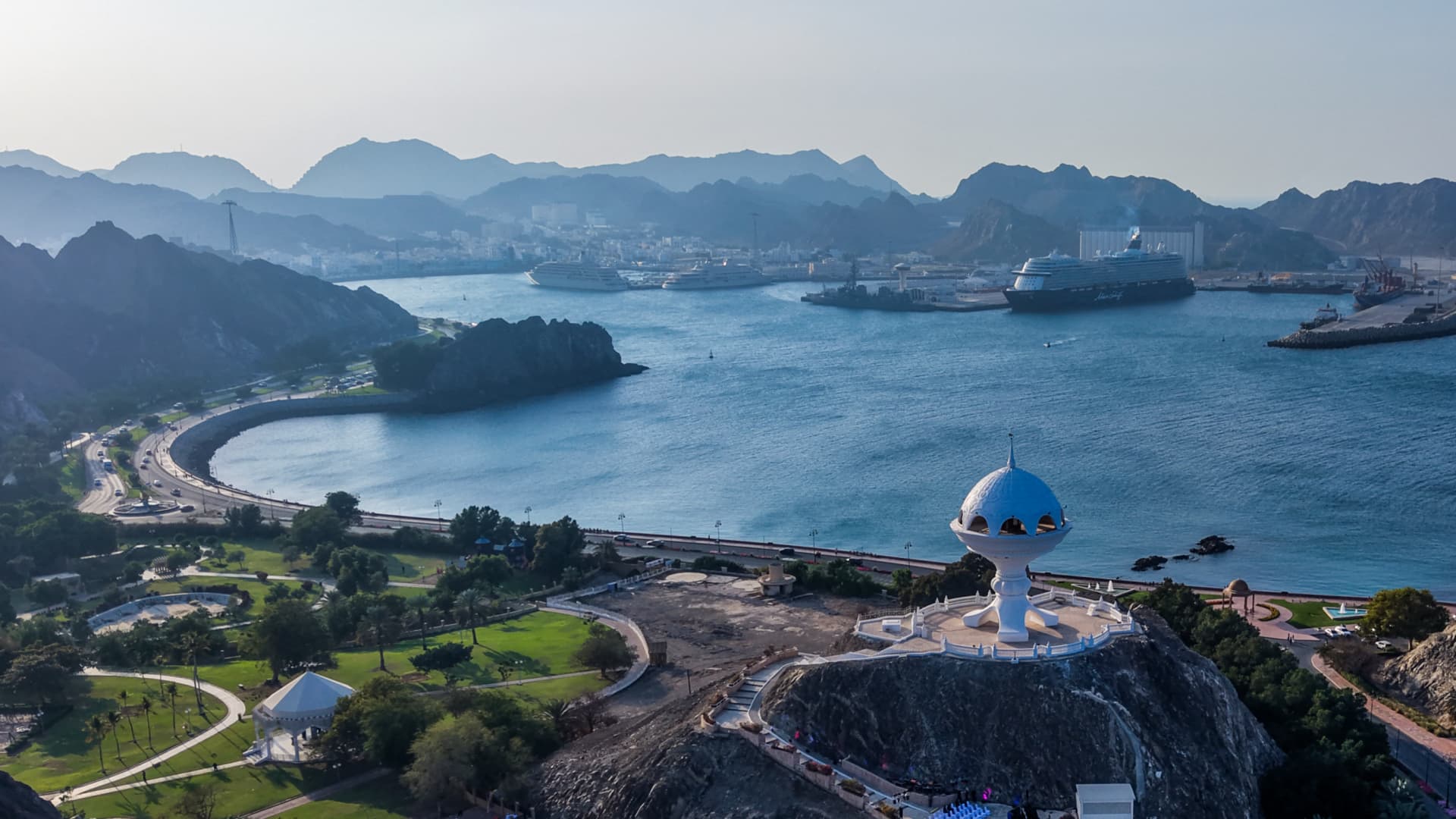
Oman is in talks with Iran over a new security arrangement for the Strait of Hormuz, raising concern that a fee system could be attached to one of the world’s most important energy routes. The waterway typically carries about 20% of global oil flows, and any change to its operating rules could affect shipping costs, insurance and compliance even if traffic is restored.
The sultanate, positioned south of the strait and opposite Iran, has long served as an intermediary between Tehran and Washington. CNBC reported that analysts see Muscat using deliberate ambiguity as it faces Iranian interest in fees and firm U.S. opposition to any tolling mechanism.
Oman has said any arrangement would comply with international law. A spokesperson for Oman’s Foreign Ministry was not available for comment when CNBC sought a response.
Legal room is limited
The Strait of Hormuz is governed by the principle of transit passage, under which coastal states cannot charge vessels merely for passing through, analysts told CNBC. A separate service fee could be presented differently, as a charge linked to administration, security or monitoring rather than to the right of transit itself.
Dania Thafer, executive director of the Washington-based Gulf International Forum, told CNBC that Oman’s position on a fee or tolling structure appeared intentionally unclear because it is under pressure from both Iran and the United States.
“You have a regional power, such as Iran, and then you have a global power, the U.S., putting pressure on Oman,” Thafer said. She added that Muscat was using “a degree of strategic ambiguity” to avoid being pulled further into the dispute or antagonising more powerful parties.
Thafer said Oman would probably proceed with some form of fee-based service structure if Gulf states and major international actors accepted it. She also said markets would respond to arrangements that restored safe movement for ships, even if the introduction of fees would be viewed as a political setback.
Washington opposes tolls
The Trump administration has opposed tolls in the Strait of Hormuz. Treasury Secretary Scott Bessent wrote on X on May 28 that “all nations should reject outright any efforts by Iran to disrupt the free flow of commerce,” and the administration previously warned it could impose sanctions on Oman if it helped Iran create a tolling system, CNBC reported.
Under a memorandum of understanding between the United States and Iran signed on June 17, Tehran cannot impose tolls on ships during a 60-day negotiation period aimed at reaching a permanent settlement.
Reuters reported Wednesday, citing two senior Iranian sources, that Iran is seeking international recognition of its control over the Strait of Hormuz, including the ability to levy fees on vessels entering or leaving the Gulf.
Andrew Leber, a non-resident scholar in the Carnegie Middle East Program, told CNBC that Oman’s role as mediator has left it “increasingly trapped” between Iranian demands for a charge and U.S. demands that no such system emerge. He said Omani diplomats have alternated between saying no toll will be levied and suggesting ships may face a charge described by another name.
Leber said Oman also has direct security and financial interests in the strait because of its geography, particularly if Muscat receives a share of any proceeds from a service-fee system.
Neil Quilliam, an associate fellow at Chatham House, told CNBC that investors tend to focus on the risk of disruptions while giving less attention to changes in the rules governing the waterway. “Markets tend to price disruption risk but pay less attention to governance risk. That creates a blind spot,” he said.
This story draws on original reporting from CNBC.