Jayant Sinha links currency risk to climate-finance shortfall
A Project Syndicate commentary argues that FX costs exclude global investors from emerging-market climate projects and sets out three remedies.
By David L. Chen · Senior Columnist
· 3 min read
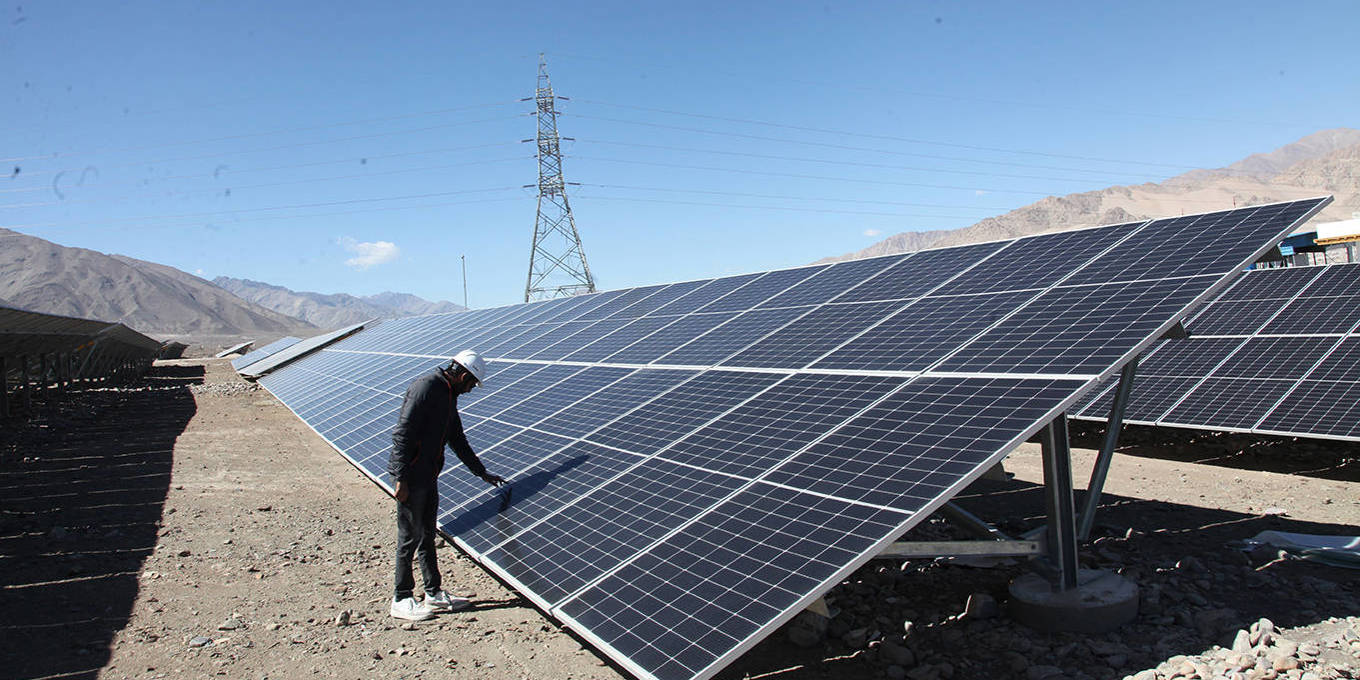
Currency risk climate finance is the central concern of a commentary published by Project Syndicate on August 3. Jayant Sinha argues that exchange-rate exposure can prevent international investors from funding emerging-market climate infrastructure even when projects have local-currency revenues and auction-based pricing.
Sinha cites estimates from the Independent High-Level Expert Group on Climate Finance that emerging-market and developing economies, excluding China, need about $2.4 trillion a year for climate action by 2030. Roughly $1 trillion of that annual total would need to come from external finance, the commentary says.
His argument is that the constraint is not solely a shortage of viable projects or a question of political and institutional risk. Climate infrastructure is commonly priced project by project, through auctions, regulated tariffs or long-term concessions. Local investors may therefore set the price that wins a tender, while global capital remains absent from the financing pool.
How does currency risk affect climate finance?
A renewable project may earn revenue in rupees, rand or another local currency, whereas an international fund assesses its performance in dollars. That investor must account for expected currency depreciation, exchange-rate volatility or the cost of a hedge that fixes a future conversion rate.
Sinha says this adjustment can add five to six percentage points to the equity return required by a dollar-based investor. He further contends that, in some markets, hedge costs have exceeded realised currency depreciation by about two percentage points a year. Those figures are the author’s estimates and analysis, rather than independently established outcomes in the commentary.
The result, he writes, is a price mismatch. A domestic investor can accept the local-currency return implied by a winning bid, while a foreign investor may not meet its dollar return hurdle after hedging. Sinha says the low price then becomes a benchmark for future power purchases or municipal contracts. If the wider project pipeline exceeds the domestic system’s capacity for long-term debt and equity, he argues that projects can be delayed or left underfunded instead of prices rising to draw in overseas investors.
What remedies does Sinha propose?
- Mobilise more long-duration domestic equity by enabling pension funds and insurers to invest through professionally managed infrastructure vehicles. He also proposes national investment funds as potential anchor investors.
- Create mechanisms that reduce foreign-exchange risk, including blended-finance auctions, FX liquidity lines and hedging facilities.
- Have multilateral development banks lend more at scale in local currencies, issue bonds in local markets and expand platforms such as TCX, which converts hard-currency funding into local-currency loans.
Sinha points to Brazil’s Eco Invest Brasil as an example of the second approach. The commentary says the programme was launched in 2024 with the Inter-American Development Bank and combines blended finance, FX liquidity and hedging tools. It reports that its first auction used R$7 billion of public funds to target R$45 billion of investment, and that the programme mobilised more than R$75 billion in its first year.
He estimates that absorbing part of hedging costs could narrow the gap in dollar returns by 200 to 300 basis points. Whether such structures can be applied across countries, and how their costs and currency risks would be allocated, is not assessed in the commentary.
This story draws on original reporting from Project Syndicate.