August 2026 S&P 500 winners led by Moderna and software rebound
Moderna rose 156% in August, while software shares rallied as investors reassessed AI-disruption concerns.
By Marcus V. Thorne · Markets Editor
· 3 min read
August 2026 S&P 500 winners were led by Moderna, which gained 156%, as a group of stocks previously pressured by concerns over growth, artificial intelligence and deal risks rebounded. FactSet data published by CNBC also showed rallies of more than 30% for Palantir, Veeva Systems, Salesforce, Paramount Skydance, Newmont, ServiceNow, Super Micro Computer and Gartner.
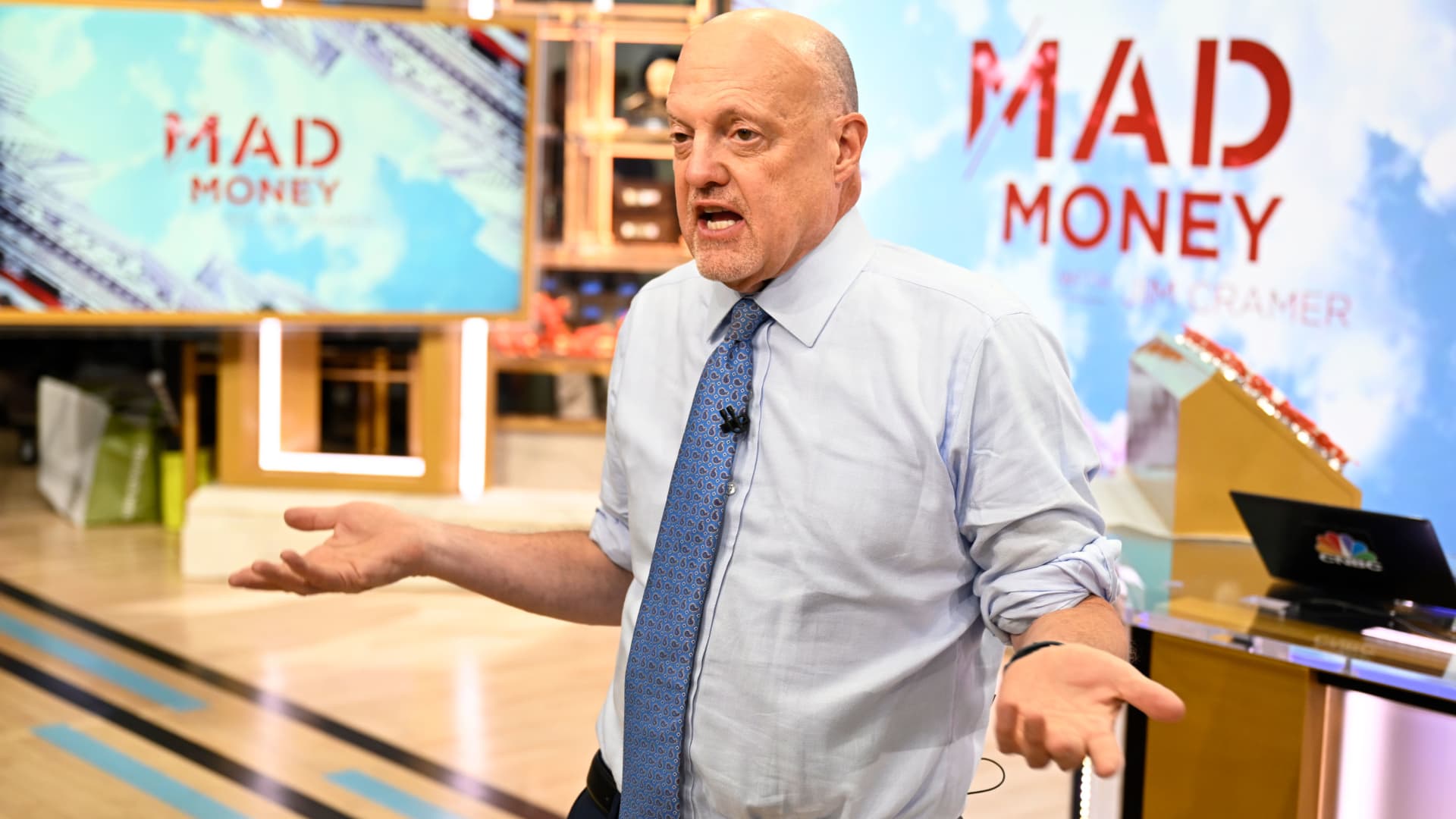
Jim Cramer, speaking on CNBC on the final trading day of August, described the month as a recovery for companies targeted by bearish market narratives. His account is an interpretation of the moves rather than a conclusive measure of what caused each share-price change.
Which S&P 500 stocks gained the most in August 2026?
FactSet data reproduced by CNBC ranked the following companies among the index's leading August performers. The figures in parentheses show the corresponding year-to-date return.
- Moderna: 156% in August (375.89% year to date)
- Palantir: 51.45% (4.86%)
- Veeva Systems: 40.2% (27.98%)
- Salesforce: 39.95% (-2.78%)
- Paramount Skydance: 37.06% (-18.58%)
- Newmont: 34.52% (26.25%)
- ServiceNow: 33.05% (-3.39%)
- Super Micro Computer: 31.27% (27.37%)
- Gartner: 31.18% (-21.47%)
- Sandisk: 28.96% (560%)
- Coinbase: 28.62% (-16.81%)
Five companies on that list, Salesforce, Paramount Skydance, ServiceNow, Gartner and Coinbase, remained down for the year through August despite their monthly gains.
Software concerns ease as earnings provide a backdrop
Enterprise software was the central theme in Cramer's analysis. Palantir, Veeva, Salesforce and ServiceNow had all faced selling as investors questioned the durability of software businesses in an AI era, CNBC reported. Cramer said better underlying business performance challenged those concerns. He also linked the reversal to the late-July unwinding of short positions by Situational Awareness, a highly leveraged fund that had bet against software shares on an AI-disruption thesis.
Salesforce's August results supplied measurable context for that backdrop. The company reported fiscal second-quarter revenue of $11.3 billion, up 11% from a year earlier, and current remaining performance obligations of $33.5 billion, up 14%. Salesforce raised its fiscal 2027 revenue outlook to $46.1 billion to $46.4 billion. CNBC reported that Cramer saw the quarter as undermining fears of a broad software-industry downturn.
CNBC said ServiceNow's advance followed evidence that it could incorporate AI into its existing business, while Veeva rose with the wider software group. Gartner had been pressured by concern that AI models, including Anthropic's Claude, could reduce demand for its technology research. Cramer said those concerns were not reflected in Gartner's business.
Company-specific catalysts and remaining risks
Moderna's rise followed promising initial late-stage data for an experimental melanoma vaccine developed with Merck, CNBC reported. Its shares had faced years of pressure as demand for its Covid-19 vaccine diminished.
Elsewhere, Newmont benefited from a recovery in gold prices, according to CNBC. Paramount Skydance rose while its proposed acquisition of Warner Bros. Discovery remained delayed; Cramer said investors' concern that Paramount was overpaying made the obstacles helpful to the shares.
Super Micro and Sandisk gained amid strong demand for memory used in AI data centres. CNBC noted continuing scrutiny of Super Micro's China business. Sandisk's advance followed a July fall of more than 46%, and the shares remained about 33% below their late-June closing high.
Coinbase joined the group as cryptocurrencies rebounded. CNBC reported that worries over government spending and US debt costs had directed some investors toward perceived hard assets as a hedge against a potentially weaker dollar; Cramer described Coinbase as a widely used proxy for crypto-market exposure.
This story draws on original reporting from CNBC.