Singapore childcare incentives extend family support through age 17
Singapore plans support exceeding S$60,000 per citizen child, but workplace and caregiving pressures may limit any quick fertility response.
By Sarah Jenkins · Chief Macro Economics Correspondent
· 3 min read
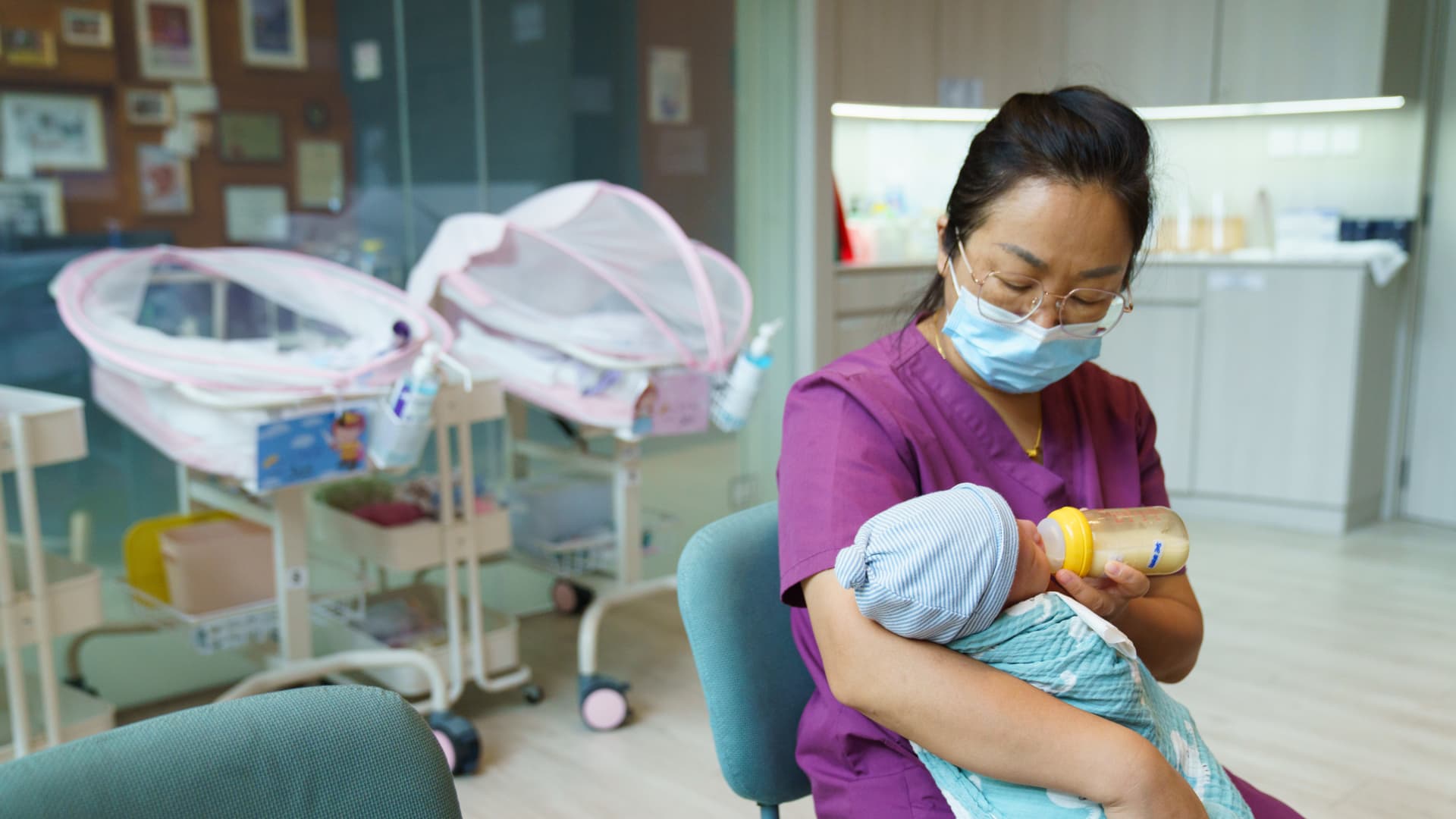
Singapore childcare incentives are set to expand into a longer-term family-support package, with more than S$60,000, about US$47,000, in assistance reported for each citizen child from birth to age 17. The move responds to a resident total fertility rate of 0.87 in 2025 and a risk that Singapore’s citizen population could begin to decline in the early 2040s without further action, Deputy Prime Minister Gan Kim Yong has said.
CNBC reported that the measures include lower childcare fees, additional childcare leave and stronger priority in public-housing allocation for first-time families. Prime Minister Lawrence Wong said the approach represented a fundamental change in how the state supports families, shifting attention from assistance concentrated at birth toward help during child-rearing.
The design addresses a central practical issue for parents: the financial and time demands of raising children continue well beyond infancy. Chua Yeow Hwee, an assistant professor of economics at Nanyang Technological University, told CNBC that sustained support could offer families more certainty than a single payment made when a child is born.
What does Singapore’s fertility rate mean for its population?
Total fertility rate measures the average number of children a woman would have over her reproductive years. A rate of 2.1 is generally considered sufficient to maintain a population without migration. Singapore’s rate fell from 0.97 in 2024 to 0.87 in 2025, according to CNBC and The Straits Times.
Preliminary data put resident births at about 27,500 in 2025, roughly 11% below the 30,808 recorded a year earlier, The Straits Times reported. A resident birth is one in which at least one parent is a Singapore citizen or permanent resident. Gan said that, if the rate stayed at 0.87, every 100 residents today would have 44 children and 19 grandchildren, an illustration rather than a confirmed projection.
Lower birth rates combined with longer life expectancy can leave a smaller working-age population supporting more retirees. Economist Donald Low told NPR in 2024 that this demographic structure could reduce the number of taxpayers and future workers relative to retirees.
Why cash support may not be enough
The available evidence does not show that the new package will increase births. Kalapana Vignehsa, a senior research fellow at the Institute of Policy Studies, told CNBC that a demographic shift could take decades, even if policies remove some barriers to parenthood.
Workplace culture, the demands of caregiving and anxiety over education costs also influence family decisions, CNBC reported. The Straits Times similarly identified high costs, work pressures and changing priorities as factors affecting decisions to have children. Singapore has previously offered parental leave, tax benefits, subsidised childcare and baby bonuses, NPR reported, while fertility continued to decline.
The package also presents an implementation question for employers. Chua told CNBC that longer leave creates operational costs because absent workers’ duties still need to be covered. That leaves policymakers balancing broader support for parents with the demands placed on workplaces, while any effect on fertility remains uncertain.
This story draws on original reporting from CNBC.