Trump Fed independence fight returns after Warsh backs rate rise
A unanimous Fed rate increase challenged Trump’s calls for lower borrowing costs and reopened scrutiny of pressure on the central bank.
By Amanda Ross · Deals Correspondent
· 3 min read
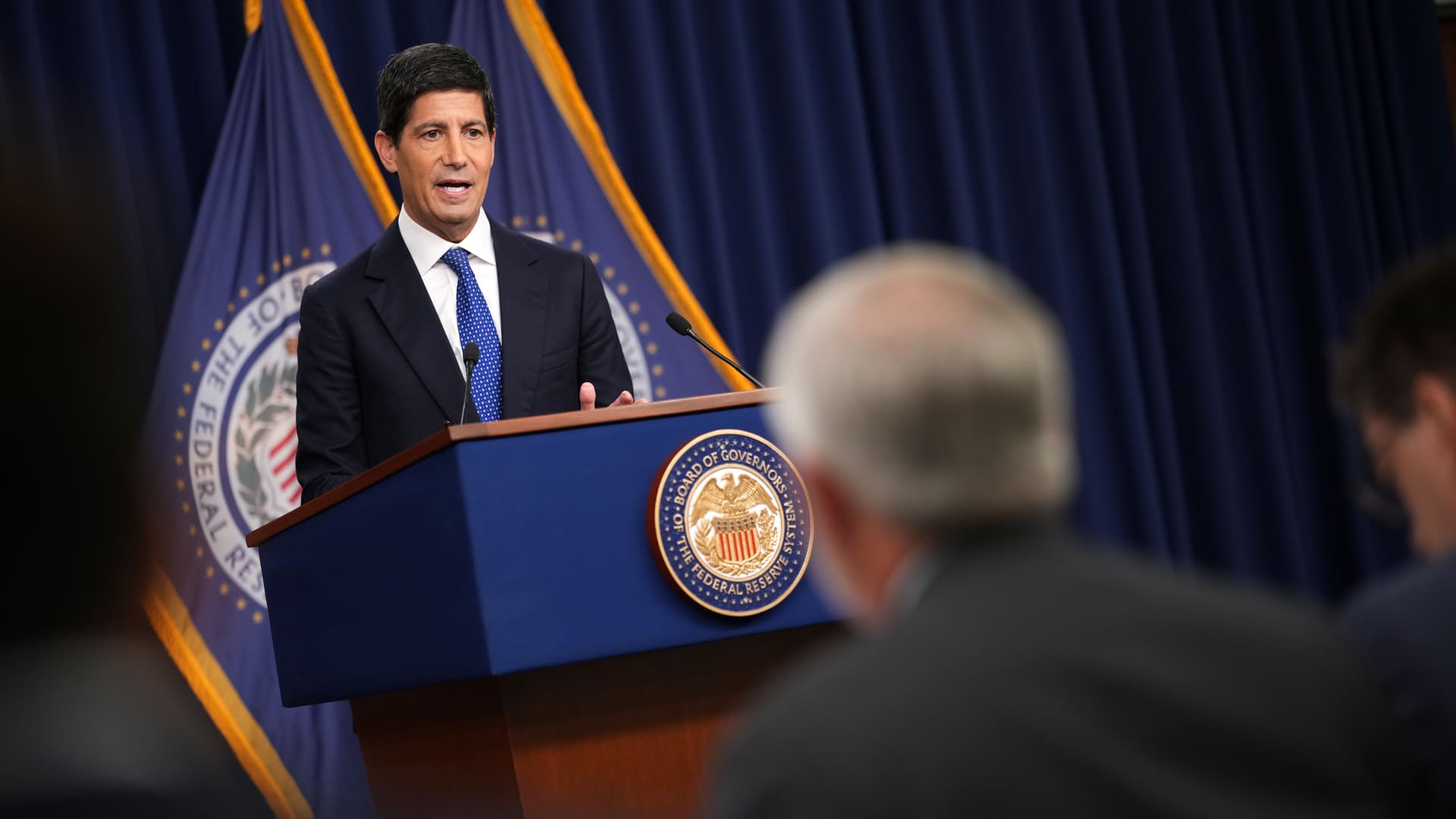
The Trump Fed independence fight has returned to focus after the Federal Open Market Committee unanimously raised interest rates by 25 basis points on September 16. Chair Kevin Warsh said inflation remained above the Federal Reserve’s 2% target, placing the decision against President Donald Trump’s repeated calls for lower rates and testing the central bank’s freedom to make policy without White House direction, CNBC reported.
The White House objected quickly. Spokesman Kush Desai said the administration saw no particularly compelling economic case for the increase. Trump later wrote on Truth Social that US interest rates should be 1% or lower, although he did not name Warsh in that post, according to CNBC.
The vote offers evidence that Warsh acted against Trump’s stated rate preference in this instance. It also removes one explanation Trump had applied to the Fed’s earlier decisions to leave rates unchanged in June and July. CNBC reported that Trump had attributed those outcomes to political choices by other Fed voters, an argument harder to sustain after the chair joined a unanimous increase.
What does Fed operational independence mean?
Operational independence means Congress defines the Federal Reserve’s objectives, while the central bank makes its policy decisions using its assessment of economic conditions. The Fed says Congress has assigned it goals of maximum employment, stable prices and moderate long-term interest rates, and has given it flexibility to pursue those goals through data and objective analysis. The institution remains accountable through public communications and congressional oversight.
The FOMC sets the stance of monetary policy primarily through its target range for the federal funds rate. The Fed describes a higher target range as tighter policy, which it says may be appropriate when inflation is too high or the economy is overheating. At its July meeting, Fed staff said inflation remained elevated, while labour-market conditions were stable and output continued to grow.
How could pressure on the Fed escalate?
The most immediate channel is public criticism. Administration officials have also argued that the Fed should avoid intervention close to midterm elections. CNBC found little historical support for a general convention of that kind, reporting that the Fed changed rates at least as close to an election in 1998, 2004, 2008, 2018 and 2022.
A more consequential issue concerns Board personnel. CNBC reported that Trump tried to remove Governor Lisa Cook in 2025, but the Supreme Court blocked the move on procedural grounds. The court said she was entitled, at a minimum, to an explanation of the evidence, an opportunity to respond and a deadline for doing so. CNBC said the administration restarted the process last month and that any future removal decision would probably face court review.
CNBC also reported that the Justice Department opened and later closed an investigation into former chair Jerome Powell while a Fed inspector-general inquiry examined renovation cost overruns. The department said it retained the option to reopen its inquiry after the inspector-general report.
Those matters do not establish that the administration will take further action. They identify potential institutional pressure points as Warsh’s inflation assessment diverges from the president’s preference for much lower rates. Before the decision, Trump said Warsh would “do what he has to do,” while White House economic adviser Kevin Hassett said the president respected the chair’s independence, according to PBS and The Wall Street Journal.
This story draws on original reporting from CNBC.