India RBI rate hike lifts repo rate to 5.50% as inflation risks rise
The Reserve Bank of India raised its policy rate by 25 basis points and adopted calibrated tightening, ruling out near-term cuts.
By Sarah Jenkins · Chief Macro Economics Correspondent
· 3 min read
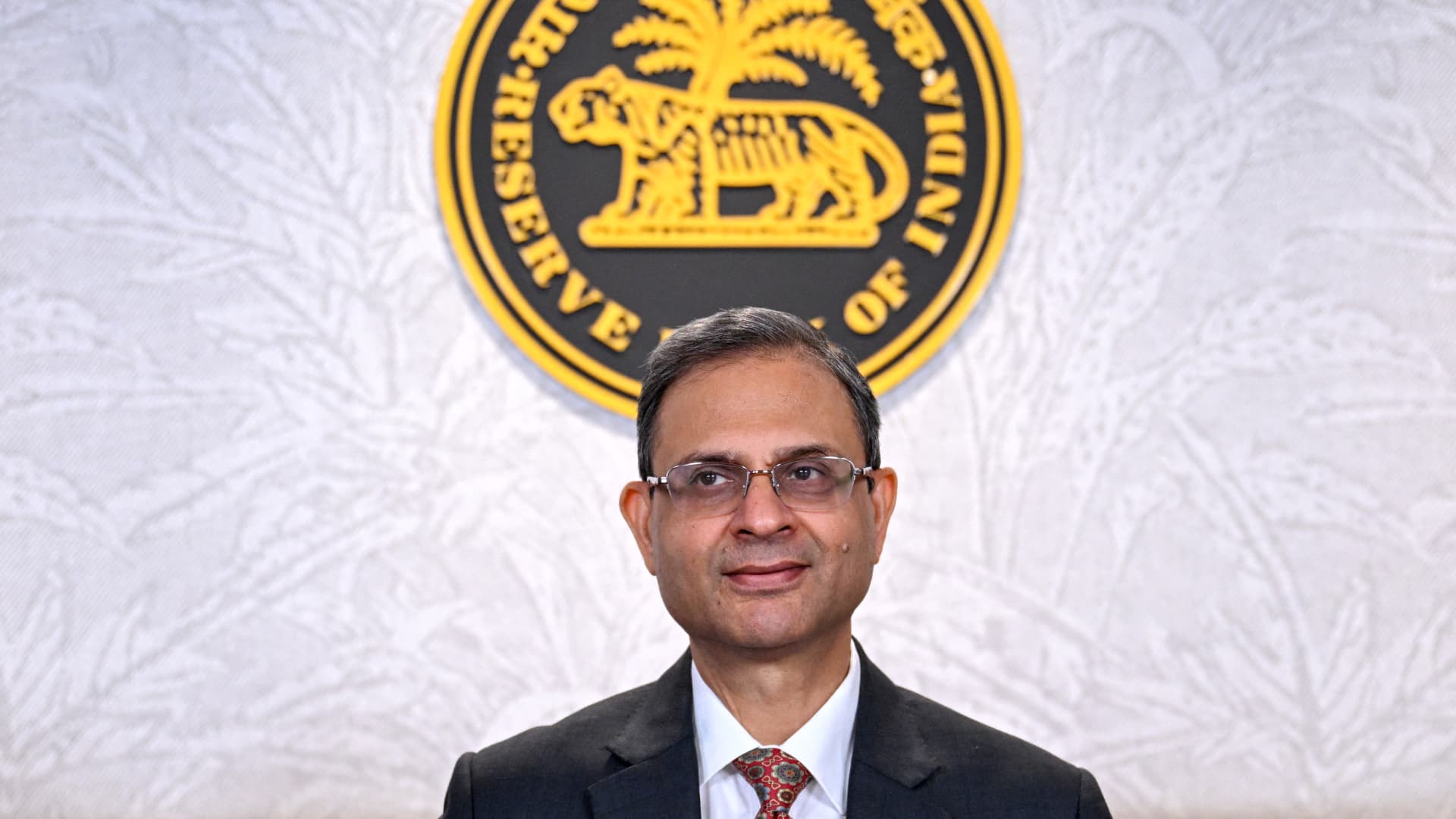
India’s RBI rate hike lifted the policy repo rate by 25 basis points to 5.50% on October 7, its first increase since February 2023. In the immediate market response reported by CNBC, the 10-year government bond yield rose 5 basis points to 7.243%, while the Nifty 50 fell 0.7%.
The Reserve Bank of India’s Monetary Policy Committee unanimously raised the rate from 5.25% and changed its stance from neutral to “calibrated tightening”, according to The Wall Street Journal and The Hindu. Governor Sanjay Malhotra said rate reductions were off the table in the near term; subsequent choices would be either another increase or a pause, rather than a cut.
The repo rate is the rate at which the RBI lends to commercial banks. A higher policy rate can increase banks’ funding costs and may feed through to borrowing rates for households and companies, although the effect varies by loan type, lender and the timing of rate resets, BBC reported.
Why did the RBI raise interest rates?
The RBI acted as inflation pressures intensified while economic activity remained resilient. CNBC reported that retail inflation reached 4.8% in August, above the central bank’s 4% medium-term target. The central bank lifted its consumer-price inflation projection for the financial year ending March 2027 to 5.2%.
Malhotra said the inflation outlook was no longer as benign as it had been a year earlier, CNBC reported. The Hindu said the governor cited the renewed West Asia conflict and higher, volatile global crude prices as risks to the outlook. BBC also reported that weather disruption, a weak monsoon and oil-price volatility were factors behind the higher inflation forecast.
The change to calibrated tightening and the removal of near-term rate cuts point to a tighter, inflation-focused policy posture. They do not amount to a commitment to raise rates again. HSBC and Goldman Sachs expect a further increase in December, CNBC reported, but those are private-sector forecasts rather than RBI guidance.
For context on how consumer-price figures are compiled and compared over time, see how inflation is measured.
How does the new rate compare with the previous policy path?
The increase reverses the direction of the RBI’s most recent easing cycle without returning the policy rate to its earlier level. The Hindu reported that the committee cut the repo rate by a cumulative 125 basis points, from 6.50% to 5.25%, before the December 2025 decision. It then left the rate unchanged at four meetings before October’s move.
At the same time, the RBI raised its real GDP growth forecast for the 2026-27 financial year by 40 basis points to 7.1%. The central bank described domestic activity as resilient despite global uncertainty, according to The Hindu. Its updated forecasts therefore place a higher inflation outlook alongside a stronger growth estimate, giving policymakers room to address price risks while acknowledging external pressures on the economy.
The next Monetary Policy Committee meeting is scheduled for December 2 to 4, 2026, The Hindu reported.
This story draws on original reporting from CNBC.