Hong Kong expands gold market infrastructure for yuan use
Hong Kong has added gold clearing and Shanghai settlement links as Beijing seeks to broaden the yuan’s offshore use.
By Amanda Ross · Deals Correspondent
· 3 min read
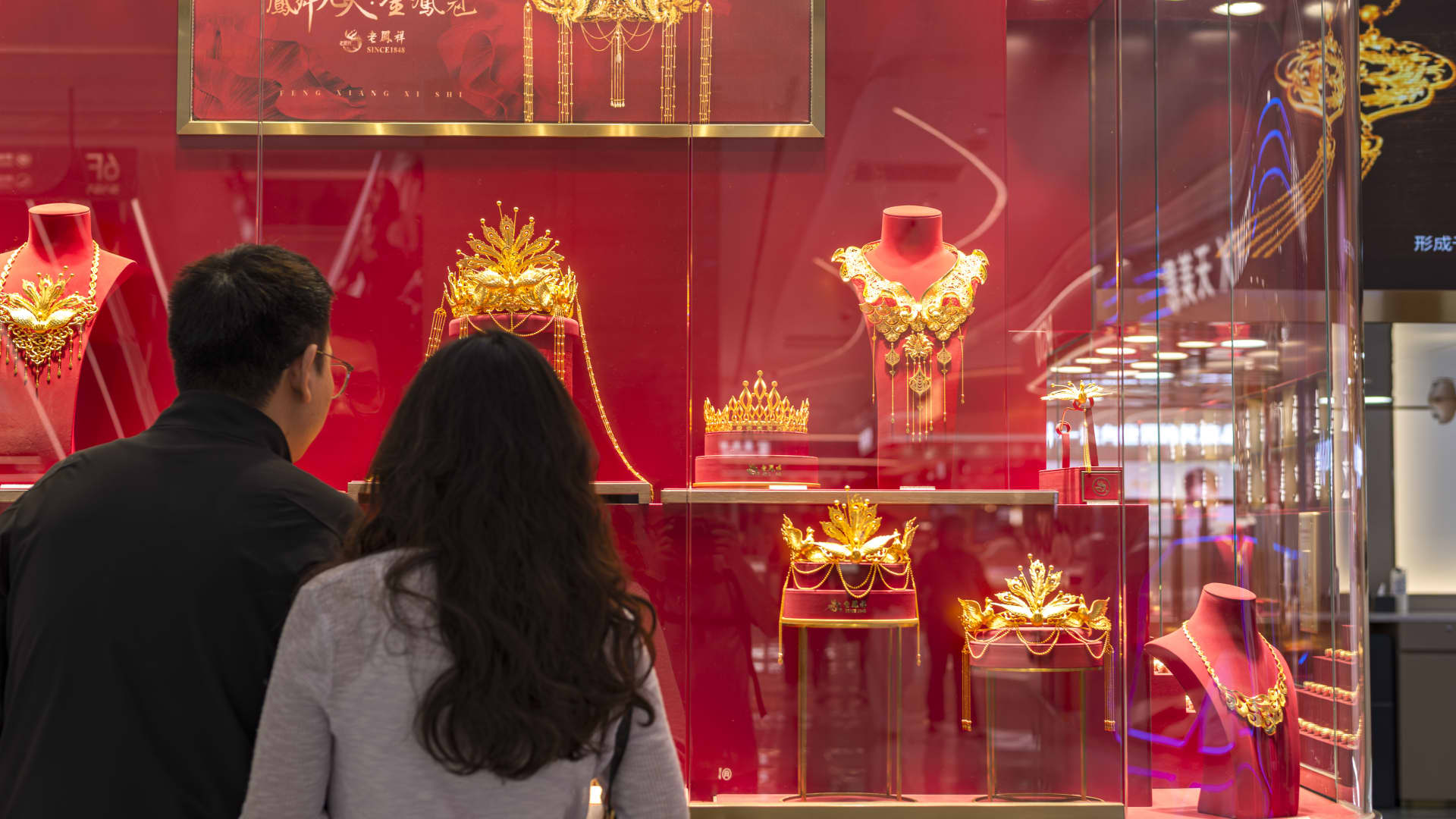
Hong Kong has expanded its gold-market infrastructure as part of a wider effort by Beijing to increase the yuan’s use outside mainland China. The city has launched a central gold-clearing system and a cross-border settlement arrangement with the Shanghai Gold Exchange, while planning to lift gold-storage capacity to more than 2,000 metric tons by 2030, Reuters reported.
The Hong Kong yuan gold market effort sits alongside China’s sustained accumulation of official gold. CNBC reported that China had added to its reserves for 23 consecutive months, while analysts said gold buying alone would not materially alter the dollar’s dominant position in global finance in the near term.
How could yuan-denominated gold trading increase yuan use?
Gold trading gives institutions a potential additional reason to hold and use yuan. Charles Chang, Greater China country lead for corporate ratings at S&P Global Ratings, told CNBC that higher volumes of yuan-denominated physical gold trading could shift some transactions away from links to the U.S. dollar.
The mechanism depends on market infrastructure rather than a gold-backed currency. If institutions can clear a transaction, keep gold in a vault and take physical delivery while settling in yuan, they have more practical ways to deploy yuan balances. Chang said the ability to convert yuan received by a gold buyer into bullion could broaden the channels through which the currency is spent.
Reuters reported in July that Hong Kong had introduced its central clearing system for gold and revived trading in dollar-denominated gold futures. Authorities were also considering yuan-denominated gold futures. Hong Kong launched its Delivery Connect programme with the Shanghai Gold Exchange to facilitate cross-border gold settlements, Reuters said.
Hong Kong and Beijing have paired the gold initiatives with other offshore-yuan measures. The southbound quota of Bond Connect, which lets mainland investors buy Hong Kong bonds more easily, was raised to 800 billion yuan from 500 billion yuan, Reuters reported. Beijing also increased a yuan-liquidity facility with the Hong Kong Monetary Authority to 500 billion yuan from 200 billion yuan. Authorities are adding hedging tools for yuan holders, including allowing certain onshore bonds in Bond Connect to serve as collateral.
What does China’s gold buying mean for the yuan?
China’s purchases are part of reserve diversification, according to the analysts cited by CNBC. Hao Zhou, chief economist at Guotai Junan International in Hong Kong, said larger gold reserves could strengthen confidence in the financial system and support wider yuan use in trade, investment and official reserves. He also said gold by itself would not determine the yuan’s international role.
The United States held more than 8,100 tonnes of gold in the second quarter, compared with more than 2,300 tonnes for China, according to World Gold Council figures cited by CNBC. China is among several developing economies that have increased gold reserves since 2022; Poland added more tonnes than China over that period, CNBC reported.
The yuan, also known as the renminbi, accounts for a fraction of international transactions. CNBC said analysts it consulted did not expect a major near-term change in dollar dominance, meaning the Hong Kong measures are incremental additions to the currency’s international infrastructure rather than a rapid shift in the global monetary system.
This story draws on original reporting from CNBC.