Trump’s Russian diesel deal draws sanctions-law criticism
OFAC authorised specified Russian-diesel transactions, while lawmakers and Ukraine said the move cut against Congress’s sanctions aims.
By Sarah Jenkins · Chief Macro Economics Correspondent
· 3 min read
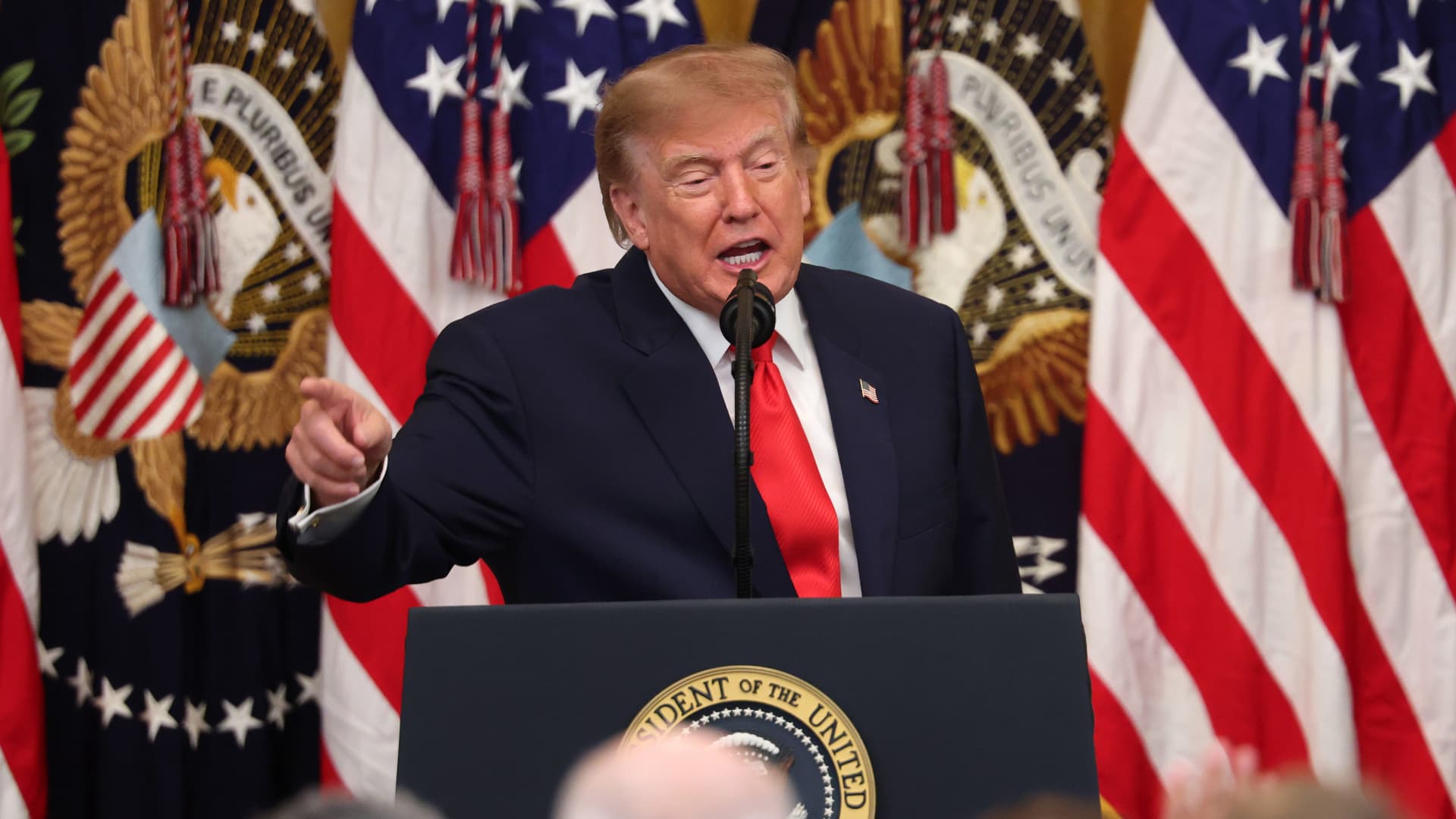
President Donald Trump said his Trump Russian diesel deal with Vladimir Putin would bring Russian fuel to U.S. and global markets, with more than 300,000 tonnes to be supplied immediately. The announcement on October 9 came with an Office of Foreign Assets Control licence authorising specified transactions involving Russian-origin diesel, while critics said the policy ran counter to the purpose of a sanctions law enacted last month.
Trump said after what he described as a successful discussion with the Russian president that Russia would supply a further 500,000 tonnes in November, followed by 1m tonnes immediately afterwards. He said a further 3m tonnes could follow, depending on refinery conditions, according to CNBC.
Trump said lower prices for Americans were his priority and later told reporters that diesel was needed for the world. The White House did not immediately explain who would pay for the fuel or when it would become available, according to Associated Press reporting carried by Oregon Public Broadcasting. The Kremlin said Russia was prepared to supply oil and petroleum products to U.S. and global markets, but did not disclose the terms of any exchange.
Does the Trump Russian diesel deal break sanctions law?
The available reporting does not establish that the arrangement violates the recently enacted sanctions statute. It does show that lawmakers and Ukraine’s president regard the decision as inconsistent with Congress’s intended pressure on Moscow, while OFAC provided temporary executive authorisation under the regulations cited in the licence.
OFAC General License 135, dated October 9, authorises transactions otherwise prohibited under the Russian Harmful Foreign Activities and Ukraine-/Russia-related sanctions regulations when they concern the sale, delivery, offloading or importation of Russian-origin diesel. The text expressly includes imports into the United States.
The licence excludes debits to accounts at U.S. financial institutions held by Russia’s central bank, National Wealth Fund or finance ministry. Its text says the authorisation runs until 12:01 a.m. Eastern time on April 7, without giving a year. Contemporary reporting described the measure as temporary and lasting roughly six months.
Why are critics challenging the decision?
Senator Richard Blumenthal, a Democratic co-sponsor of the legislation, said the agreement was “directly contrary to Congress’s intent” in the bipartisan sanctions bill. Ukrainian President Volodymyr Zelenskyy said sanctions relief without a clear and lasting de-escalation agreement was a weakness that “plays into Russia’s hands,” according to CNBC.
Associated Press reported that the law envisioned sanctions on Russian officials, banks and a shadow tanker fleet; barred new U.S. investment in Russia and handling of Russian sovereign debt; and directed tariffs of up to 100% on certain leading importers of Russian oil or gas, subject to an exception. CNBC reported the law also gave Trump authority to impose tariffs of up to 100% on top buyers of Russian crude or gas.
The measures were designed to increase economic pressure on Russia over its war in Ukraine. But the record available does not include the full statute or a legal assessment of whether the diesel licence is compatible with every provision of that law. It supports a dispute over policy and congressional intent, rather than a demonstrated finding that the deal is unlawful.
This story draws on original reporting from CNBC.