U.S. loses measles elimination status after sustained transmission
PAHO has withdrawn the U.S. designation after more than a year of continuous spread, as 2026 cases exceed 5,400.
By Sarah Jenkins · Chief Macro Economics Correspondent
· 2 min read
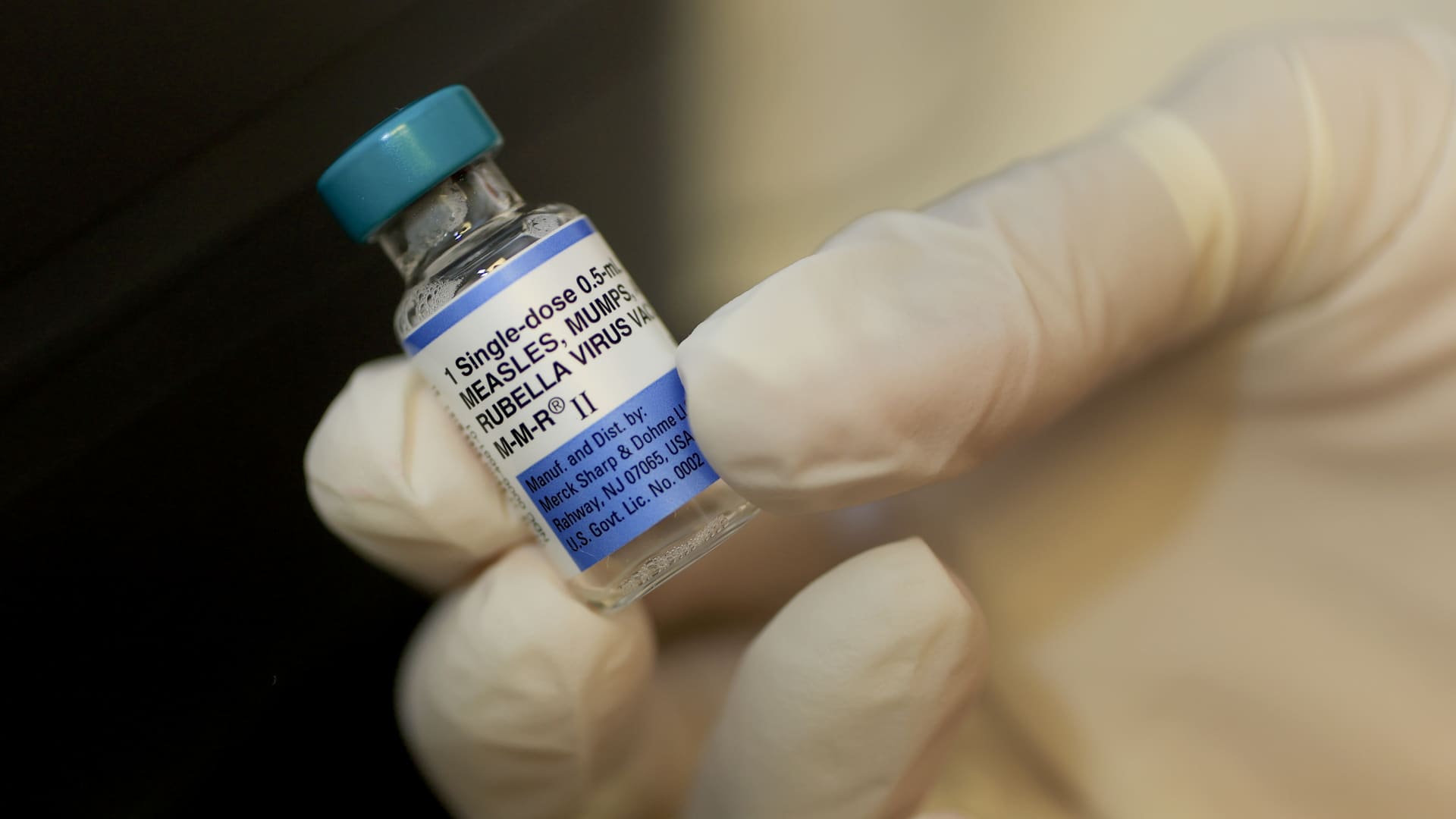
The U.S. loses measles elimination status after the Pan American Health Organization, or PAHO, concluded that the virus had circulated continuously in the country for more than 12 months. The decision ends a designation the United States held from 2000, while more than 5,400 cases and 10 deaths had been reported in 2026 by mid-November, according to NBC News and CNBC.
PAHO, the World Health Organization’s regional body for the Americas, made the determination after an independent commission reviewed evidence on the U.S. outbreaks. NBC News reported that the review included genetic information from domestically acquired infections to assess whether outbreaks in different states were connected, alongside vaccination coverage, disease surveillance and outbreak-response resources.
The designation means measles is again considered endemic in the U.S., according to CNBC’s account of PAHO’s decision. It does not mean that every measles case must disappear for a country to be considered to have eliminated the disease.
What does it mean that the U.S. lost measles elimination status?
Elimination refers to the interruption of continuous domestic transmission, rather than an absence of all cases. A country can record infections linked to international travel and retain the designation if it prevents sustained local spread. KFF says the U.S. met the standard from 2000 until 2026, without 12 months or more of uncontrolled domestic transmission.
PAHO found that threshold had been crossed after outbreaks that began in early 2025 continued. KFF reported 5,412 cases from January 2025 through November 13, 2026. Earlier assessments had warned of a possible loss of status, but the November determination is the final decision reported by PAHO through multiple news outlets.
Vaccination coverage remains below the common target
National two-dose MMR vaccination coverage among children entering kindergarten was estimated at 92.4% in the 2025-26 school year, below the commonly used 95% target for limiting sustained measles transmission, according to KFF and CDC-aggregated data cited by CNBC. Coverage also differed substantially across states: KFF reported a range from 75.2% in Idaho to 98.9% in West Virginia, with 10 states at or above 95%.
CNBC reported that two doses of the measles, mumps and rubella vaccine are about 97% effective against measles, citing the Centers for Disease Control and Prevention. KFF identifies lower vaccination coverage, vaccine skepticism, public-health staffing and funding constraints, and federal health messaging as factors that have complicated prevention and response efforts.
Regaining the designation would require the U.S. to halt continuous transmission for at least a year, based on the elimination standard described by KFF and CIDRAP. The immediate public-health challenge is therefore to contain linked outbreaks while improving coverage and the capacity to identify and respond to new cases.
This story draws on original reporting from CNBC.