U.S. outages disrupt aviation, banking, Apple and NSA systems
A four-day run of technology failures affected email, flights, banking and government communications, though officials found no coordinated cyberattack.
By Amanda Ross · Deals Correspondent
· 3 min read
A run of U.S. outages across aviation, banking, technology and government systems disrupted business email, flights, customer transactions and communications over four consecutive business days. Director of National Intelligence Jay Clayton said the incidents were neither a cyberattack nor a coordinated nation-state effort, while the reported explanations differed from one organisation to another.
The sequence began on Thursday, when problems with Microsoft Outlook affected businesses. CNBC reported that Microsoft later attributed the email-access disruption to an undetected software bug that had been present since July.
On Friday, the Federal Aviation Administration imposed a ground stop. The FAA was still investigating the underlying cause, according to CNBC, but had cited in part a router upgrade in southern Arkansas, overseen by contractor L3Harris Technologies, that overwhelmed its telecommunications network.
JPMorgan Chase customers experienced longer-than-usual service times on Monday, affecting transactions. The bank attributed the issue to a software bug in on-premise hardware systems, CNBC reported. Also on Monday, United Airlines experienced an outage that briefly delayed departing flights. Reuters reporting carried by CTV News said the airline's technology problem delayed about 150 flights.
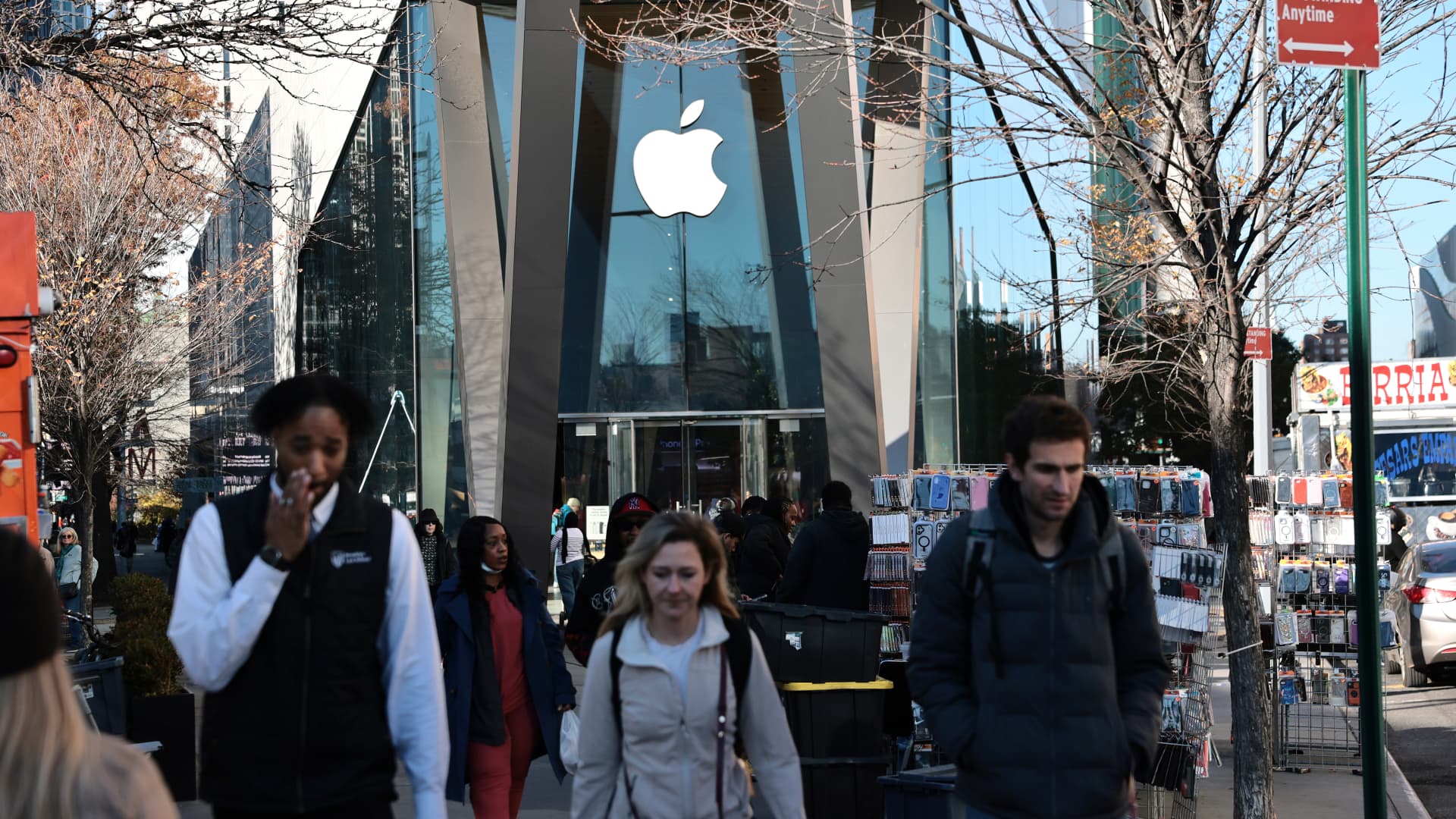
On Tuesday, the National Security Agency said scheduled routine maintenance had caused temporary degradation to internal communications. Apple said an internal update caused issues across some of its products and services. CTV News reported that the App Store and Apple Music briefly went offline, while Apple said many systems had been restored and it was working to return the remaining services.
Were the U.S. outages a cyberattack?
Officials had not identified evidence of a common hostile operation in the incidents described. Clayton told CNBC that authorities had examined the events closely and did not view them as a cyberattack or a coordinated effort by a nation state. CNBC also reported that the affected agencies and businesses had ruled out cyberattacks in their own incidents.
That assessment does not mean every technical question has been settled. The FAA's root-cause investigation remained open, and the reports describe separate stated explanations rather than proof of a shared failure.
What the disruptions show
The events affected distinct systems, from corporate communications and online banking to aviation operations and government networks. Raj Rajamani, chief executive of JetStream Security, told CNBC that the Microsoft failure illustrated how embedded major technology services have become in daily operations.
Security and resilience specialists quoted by CNBC said organisations need plans to continue operating when a critical IT system fails. Their comments were broader operational analysis, not evidence that artificial intelligence, common infrastructure or another single factor caused this group of outages.
Some lawmakers sought further information. House Minority Leader Hakeem Jeffries said it was premature to conclude that malicious activity was involved, but called for a congressional briefing. Senator Mark Warner cited the incidents while arguing for AI-safety legislation, CNBC reported.
This story draws on original reporting from CNBC.